

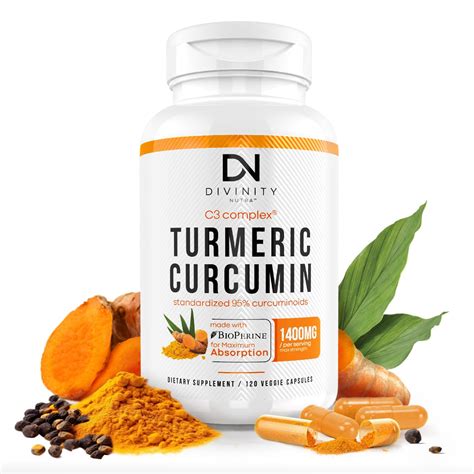
Turmeric has been used in traditional medicine for centuries, but modern science is increasingly studying its active compound, curcumin, for potential health benefits.
One of the most concentrated forms available today is turmeric standardized to 95 curcumin powder, which contains a high level of curcuminoids, the compounds responsible for turmeric’s biological activity.
Unlike conventional culinary turmeric, standardized extracts are designed to deliver a consistent dose of curcumin, which researchers believe may support the management of inflammation, joint health, and antioxidant protection.
According to the National Institutes of Health (NIH), curcumin has been widely studied for its anti-inflammatory and antioxidant properties.
However, the effectiveness and safety of supplements depend on factors such as dosage, formulation, and product quality.
This evidence-based guide explains what turmeric standardized to 95 curcumin powder is, how it works, its potential benefits, safety considerations, and who may benefit most from using it.
Product Overview
| Feature | Details |
|---|---|
| Ingredient | Turmeric extract standardized to 95% curcuminoids |
| Active Compound | Curcumin |
| Form | Powder |
| Primary Uses | Anti-inflammatory support, antioxidant support |
| Typical Dose | 500–2000 mg daily (varies by product) |
| Evidence Level | Moderate for inflammation and joint health |
| Safety Status | Generally recognized as safe in moderate doses |
Learn more about Turmeric Standardized to 95 Curcumin Reviews.
Pros and Cons of Curcumin Powder
Pros
- High concentration of curcumin
- Strong antioxidant properties
- Studied for inflammation and joint support
- Easier to measure flexible doses (powder form)
- Often used in research trials
Cons
- Curcumin has low natural absorption
- May cause digestive discomfort in high doses
- Can interact with some medications
- Not recommended during certain medical conditions without a doctor’s approval
How To Use Turmeric Powder For Your Health – Learn More
How We Evaluated This Product
Following a Healthline-style evidence review, this evaluation considered several factors:
1. Scientific Evidence
Clinical studies from the National Institutes of Health (NIH) and peer-reviewed journals were reviewed to assess curcumin’s effects on inflammation, oxidative stress, and chronic disease markers.
2. Ingredient Quality
Standardized extracts containing 95% curcuminoids are commonly used in research, which supports consistency in dosing.
3. Safety Data
Guidelines from the World Health Organization (WHO) and safety reports were reviewed to determine safe intake levels and potential risks.
4. Consumer Transparency
Reputable products should include:
- Third-party testing
- Clear labeling of curcuminoid percentage
- Information on contaminants such as heavy metals
5. Clinical Relevance
Evidence was evaluated for real-world benefits, especially regarding inflammation, metabolic health, and joint pain.
»DISCOVER: How To Use Turmeric To Make A Turmeric Lemon Juice
What is Turmeric Standardized to 95% Curcumin Powder?
Turmeric comes from the root of the Curcuma longa plant. While raw turmeric contains many plant compounds, curcumin is considered the most biologically active.
Turmeric standardized to 95 curcumin powder is produced by extracting and concentrating curcuminoids from turmeric root.
This process ensures that approximately 95% of the powder contains active curcuminoid compounds, which are responsible for many of turmeric’s studied health effects.
According to research published through the National Institutes of Health, curcumin demonstrates several biological activities, including:
- Anti-inflammatory effects
- Antioxidant activity
- Potential metabolic health benefits
However, curcumin’s natural absorption in the body is relatively low, which is why some formulations include black pepper extract (piperine) to improve bioavailability.
Click here to learn more about How To Use Turmeric Haldi for weight loss.
Potential Health Benefits of Curcumin Powder
1. Anti-Inflammatory Properties
Chronic inflammation is associated with several diseases, including heart disease, arthritis, and metabolic disorders.
A 2023 review published in Nutrients found that curcumin supplementation may reduce inflammatory markers such as C-reactive protein (CRP) in some individuals.
According to the Centers for Disease Control and Prevention (CDC), managing inflammation is an important part of preventing chronic disease progression.
Learn more about How To Use Turmeric To Brighten Skin Rongdhono here.
2. Joint and Arthritis Support
Curcumin has been studied for joint health due to its anti-inflammatory properties.
A clinical trial published in the Journal of Medicinal Food reported that curcumin supplementation improved pain and mobility in individuals with knee osteoarthritis.
Researchers suggest that concentrated extracts such as turmeric standardized to 95 curcumin powder may provide more consistent therapeutic dosing compared with culinary turmeric.
Click here to learn more about How To Use Turmeric To Clear Up My Skin Breakouts.
3. Antioxidant Protection
Curcumin is a powerful antioxidant that helps neutralize harmful molecules known as free radicals.
According to the National Institutes of Health, antioxidants play a role in protecting cells from oxidative stress, which contributes to aging and chronic diseases.
4. Metabolic and Heart Health
Several studies have explored curcumin’s role in supporting metabolic markers such as cholesterol and blood sugar.
A 2025 meta-analysis in Frontiers in Nutrition suggested that curcumin supplementation may modestly improve lipid levels and insulin sensitivity, although more large-scale studies are still needed.
»EXPLORE: How To Prepare Fresh Turmeric For Cooking
How to Use Turmeric Curcumin Powder
The appropriate dose depends on the product and individual health status.
Typical research doses range from:
500 mg to 2000 mg of curcuminoids per day
To improve absorption, many experts recommend combining curcumin with:
- Black pepper extract (piperine)
- Healthy fats
- Specialized bioavailability formulations
According to the World Health Organization (WHO), curcumin is generally considered safe when consumed in moderate amounts.
How To Use Turmeric To Glow Your Skin – Learn More
Safety and Possible Side Effects of Curcumin Powder
Most people tolerate turmeric supplements well, but side effects can occur.
Possible Side Effects
- Digestive upset
- Nausea
- Headache
- Mild diarrhea
Drug Interactions
Curcumin may interact with:
- Blood thinners
- Diabetes medications
- Acid-reducing drugs
The National Institutes of Health recommends consulting a healthcare provider before using high-dose supplements, especially for people with chronic conditions.
Learn more about Turmeric Tea Recipe – A Liver Detox Tea.
Who Should Consider Using Curcumin Powder
Turmeric standardized to 95 curcumin powder may be beneficial for:
- People managing inflammatory conditions
- People with joint discomfort
- Those seeking antioxidant support
- Adults interested in natural wellness supplements
Who Should Avoid Curcumin Powder
You should consult a healthcare professional before use if you:
- Are you pregnant or breastfeeding
- Take blood-thinning medications
- Have gallbladder disease
- Are scheduled for surgery
Healthcare professionals emphasize that supplements should not replace medical treatment.
»EXPLORE: No7 Retinol Eye Cream Reviews
Comparison With Other Turmeric Supplements
| Supplement Type | Curcumin Content | Bioavailability |
|---|---|---|
| Culinary Turmeric | 2–5% | Low |
| Standard Turmeric Extract | 50–70% | Moderate |
| 95% Standardized Curcumin | Very High | Moderate |
| Curcumin + Piperine | High | Higher absorption |
High-standardization extracts are often used in clinical research because they provide reliable dosing.
A Word from GetMe Treated
Scientific interest in turmeric continues to grow, particularly regarding concentrated extracts like turmeric standardized to 95 curcumin powder.
Research from institutions such as the National Institutes of Health suggests that curcumin may offer anti-inflammatory, antioxidant, and metabolic health benefits.
However, while early evidence is promising, experts emphasize that supplements should complement, not replace, medical treatment and healthy lifestyle habits.
Before starting any new supplement, including turmeric standardized to 95 curcumin powder, it is best to consult a healthcare professional to ensure it is appropriate for your individual health needs.
Click here to learn more about Greens Superfood Powder Reviews
FAQs About Turmeric Standardized to 95 Curcumin Powder
What does 95% curcumin mean?
It means 95% of the extract contains curcuminoids, the active compounds in turmeric.
Is curcumin better than regular turmeric?
Curcumin extracts are more concentrated than culinary turmeric.
How much curcumin should I take daily?
Most studies use 500–2000 mg per day.
Does curcumin reduce inflammation?
Studies suggest it may help reduce inflammatory markers.
Is it safe long-term?
Moderate doses appear safe for most adults.
Should I take it with black pepper?
Yes, piperine may improve absorption.