

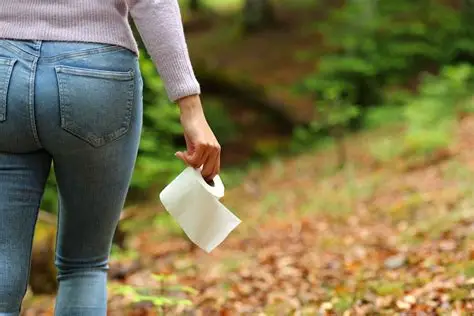
Diarrhea can happen anywhere, even during outdoor activities like hiking, camping, or field work. For women, dealing with stomach problems far from restrooms can increase discomfort and health risks.
This article explains the causes, symptoms, prevention, and care related to woman diarrhea in the forest, based on generally accepted medical guidance and public health research.
Understanding the Problem
Diarrhea is loose, watery stools that happen more often than normal. In outdoor areas, it often starts from contaminated food, unsafe water, or poor hand hygiene.
A woman facing diarrhea outdoors may also deal with dehydration, cramps, and weakness without easy access to care. In the context of woman diarrhea in the forest, planning and awareness matter for safety.
Women may have added concerns such as menstrual cycles, pregnancy, or urinary tract sensitivity. These factors do not cause diarrhea on their own, though they can affect comfort and recovery.
Are Monounsaturated Fats Healthy? Click Here to Learn More
Common Causes Outdoors
Several triggers are common in forest or wilderness settings:
- Unsafe water: Streams and lakes may carry bacteria, parasites, or viruses. According to the Centers for Disease Control and Prevention, Giardia and E. coli are frequent causes.
- Food contamination: Improper food storage or undercooked meals raise the risk.
- Poor hand hygiene: Limited access to soap and clean water can spread germs.
- Sudden diet changes: New foods or energy supplements can upset the digestive system.
- Stress and exertion: Long hikes and lack of rest can affect gut movement.
Research from the World Health Organization notes that dehydration is the most serious complication of diarrhea in outdoor or low-resource settings.
Are Your Favorite Foods and Drinks Unhealthy? Click Here to Learn More
Symptoms to Watch For
Symptoms may include:
- Loose or watery stools
- Stomach cramps
- Bloating or gas
- Nausea
- Fatigue
- Urgent need for a bowel movement
In cases of woman diarrhea in the forest, symptoms may feel worse due to heat, activity, or limited fluids.
Click here to learn more about Wearing Tight Clothing and Health Issues.
Immediate Care and Self-Management
If diarrhea starts outdoors, take these steps:
- Hydrate often: Sip clean, treated water or oral rehydration salts.
- Rest: Reduce physical activity to lower fluid loss.
- Eat simple foods: Bananas, rice, applesauce, and toast are gentle options if available.
- Practice hygiene: Use hand sanitizer or soap with treated water.
- Protect privacy and cleanliness: Follow Leave No Trace bathroom practices to avoid spreading germs.
According to a research published by the National Institutes of Health advises avoiding anti-diarrheal medicines if fever or blood in stool appears, since these can worsen certain infections.
Does Omega-3 Help with Any Health Conditions? Click Here to Learn More
Prevention Tips for Outdoor Trips
Preparation lowers risk:
- Treat all drinking water by boiling, filtering, or using purification tablets.
- Wash your hands before eating and after bathroom.
- Store food properly and cook meats fully.
- Pack oral rehydration salts.
- Plan bathroom strategies before trips.
Good planning reduces the chance of woman diarrhea in the forest becoming a serious problem.
What Is the Best and Healthiest Oil for Frying? Click Here to Learn More
When to See a Doctor
Seek medical care if any of the following occur:
- Diarrhea lasts more than two days
- Signs of dehydration, such as dizziness or very dark urine
- Fever over 101°F
- Blood or mucus in stool
- Severe stomach pain
- Diarrhea during pregnancy
The National Institutes of Health advises prompt care for dehydration or ongoing symptoms.
Learn more about How To Keep Skin Healthy And Glowing.
What to Expect During Your Visit
A healthcare provider may:
- Ask about recent travel, food, and water sources
- Check vital signs and hydration status
- Order stool or blood tests if infection is suspected
- Recommend fluids, dietary changes, or medications
Treatment depends on the cause. Many cases improve with hydration and rest alone.
How Important Is Coq10 To Heart Health – Learn More
Long-Term Health Considerations
Most diarrhea episodes pass without lasting harm. Repeated infections or untreated dehydration can affect kidney function or nutrition.
Women with chronic digestive conditions such as irritable bowel syndrome should discuss outdoor plans with a provider in advance.
Understanding risks linked to woman diarrhea in the forest helps support safer outdoor experiences.
Learn more about How To Make A Burger Healthy.
FAQs About Woman Diarrhea in the Forest
Is diarrhea in the forest always caused by bad water?
No. Food handling, stress, and diet changes can also trigger it.
Can dehydration happen fast?
Yes. Heat and activity increase fluid loss.
Are women more at risk than men?
Risk is similar, though pregnancy and hormonal factors may affect comfort.
Should antibiotics be used right away?
Not usually. Many cases are viral or mild bacterial infections.
Can hand sanitizer replace handwashing?
It helps, though soap and clean water work best.
Is it safe to continue hiking with diarrhea?
Rest is better until symptoms improve.