

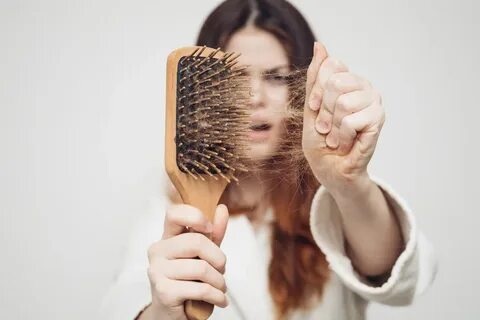
Hair loss can feel stressful. It may affect your confidence and raise many questions. One common question is: what is the best food to eat for hair loss?
The answer is not just one food. Hair health depends on a mix of nutrients. What you eat every day may help support stronger, healthier hair over time.
This guide explains what science says about diet and hair loss. It uses simple language, trusted sources, and realistic advice.
Why Food Matters for Hair Health
Hair is made mostly of a protein called keratin. Your body needs enough nutrients to produce and maintain itself.
According to the American Academy of Dermatology, poor nutrition may contribute to hair thinning or shedding.
Hair growth also depends on:
- Hormones
- Genetics
- Overall health
- Stress levels
Food alone will not “fix” all hair loss. But the right diet may support your hair over time.
Is Permanent Hair Removal Safe? Click Here to Learn More
What Is the Best Food to Eat for Hair Loss?
There is no single best food to eat for hair loss. Instead, experts recommend a balanced diet rich in:
A 2018 review in Dermatology suggests that nutrient deficiencies may play a role in certain types of hair loss.
Let’s break down the most helpful foods.
EXPLORE: Double Hair Transplant Naturally: What It Is and How It Works
1. Eggs: Protein and Biotin Support
Eggs are one of the most complete foods for hair health.
They contain:
Biotin plays a role in keratin production. According to studies, biotin deficiency is linked to hair thinning, though it is rare.
How eggs may help:
- Support hair structure
- Provide building blocks for growth
Easy ways to eat them:
- Boiled
- Scrambled
- Added to salads
Learn more about Nasal Hair Problems and Solutions.
2. Spinach and Leafy Greens: Iron and Folate
Iron deficiency is one of the most common nutritional causes of hair loss, especially in women.
Spinach provides:
Vitamin C helps your body absorb iron better.
A 2024 study found that low iron levels may be linked to increased hair shedding in some people.
Other good options:
- Kale
- Swiss chard
- Lettuce
How To Buy Green Leafy Vegetables From The Market – Learn More
3. Fatty Fish: Omega-3 for Scalp Health
Fish like salmon and mackerel are rich in omega-3 fatty acids.
Omega-3s may:
- Support scalp health
- Reduce inflammation
- Improve hair density (in some cases)
A 2025 analysis suggested that omega-3 supplements may improve hair fullness in certain groups.
Best fish choices:
- Salmon
- Sardines
- Tuna
Why Does Losing Weight Cause Hair Loss? Click Here to Learn More
4. Nuts and Seeds: Zinc and Vitamin E
Zinc plays a key role in hair tissue growth and repair.
Nuts and seeds provide:
- Zinc
- Vitamin E
- Healthy fats
Vitamin E acts as an antioxidant. It may help protect hair follicles from damage.
A small study showed improved hair growth in people taking vitamin E supplements over several months.
Good options:
- Almonds
- Walnuts
- Sunflower seeds
- Pumpkin seeds
Learn more about Nose Hair Permanent Removal here.
5. Sweet Potatoes: Beta-Carotene Boost
Sweet potatoes are rich in beta-carotene. Your body converts it into vitamin A.
Vitamin A helps:
- Support scalp health
- Promote sebum production (natural oils)
Too little vitamin A may lead to a dry scalp. Too much may worsen hair loss, so balance is important.
Click here to learn more about How To Trim Nose Hair For Women.
6. Greek Yogurt: Protein and Vitamin B5
Greek yogurt contains:
- Protein
- Vitamin B5 (pantothenic acid)
Vitamin B5 may help improve blood flow to the scalp.
According to dermatology research, B vitamins support hair follicle function.
Learn more about How To Cut Nose Hair Without a Trimmer: A Complete Guide.
7. Berries: Antioxidants and Vitamin C
Berries are rich in antioxidants. These help protect hair follicles from oxidative stress-induced damage.
They also contain vitamin C, which:
- Supports collagen production
- Helps with iron absorption
Examples:
- Strawberries
- Blueberries
- Blackberries
DISCOVER: How To Make My Daughter’s Hair Grow
8. Beans and Lentils: Plant-Based Protein
Beans are a great option for people who do not eat meat.
They provide:
- Protein
- Iron
- Zinc
- Biotin
A 2024 nutrition review noted that plant-based diets can support hair health when properly balanced.
Learn more about how to Make My Baby’s Hair Soft here.
9. Avocados: Healthy Fats and Vitamin E
Avocados are rich in:
- Monounsaturated fats
- Vitamin E
These nutrients may help:
- Improve scalp condition
- Support hair strength
They are also easy to add to meals.
Click here to learn more about 7 Reasons to Stop Sleeping With Wet Hair.
10. Chicken and Lean Meat: Strong Protein Source
Hair is made of protein. Without enough protein, hair may become weak or thin.
Lean meats provide:
- Complete protein
- Iron
- Zinc
A 2024 study found that low protein intake may be linked to hair shedding.
DISCOVER: How To Use Rose Water For Hair Growth
Nutrients That Matter Most
When asking what is the best food to eat for hair loss, it helps to focus on nutrients rather than single foods.
Key nutrients include:
- Builds hair structure
Iron
- Supports oxygen flow to hair follicles
Biotin
- Helps produce keratin
Zinc
- Supports tissue repair
Omega-3 fatty acids
- Promote scalp health
Vitamins A, C, D, E
- Support growth and protection
EXPLORE: Prom Hairstyles For Black Women
Foods to Limit
Some foods may not support hair health if eaten too often.
Consider limiting:
- Highly processed foods
- Sugary drinks
- Excess alcohol
- Very low-protein diets
A 2025 study suggests that poor diet quality may affect hair health over time.
Learn more about Prom Hairstyles For Long Hair Half Up.
When Diet Alone May Not Be Enough
Hair loss has many causes. Diet is just one factor.
Other common causes include:
- Genetics (pattern hair loss)
- Hormonal changes
- Stress
- Medical conditions like Alopecia Areata
If hair loss is sudden or severe, it is best to speak with a doctor.
Best Hair, Skin, And Nails Vitamins – Learn More
Practical Daily Eating Tips
You do not need a perfect diet. Small changes may help.
Try this:
- Add one protein source to every meal
- Include vegetables daily
- Eat fruit for snacks
- Choose healthy fats like nuts or avocado
- Drink enough water
Consistency matters more than perfection.
Learn more about What Happens If You Stop Shaving Body Hair.
When to See a Doctor
Consider medical advice if you notice:
- Rapid hair shedding
- Bald patches
- Itching or pain on the scalp
- Hair loss after illness or childbirth
A doctor may check for:
- Iron levels
- Thyroid function
- Nutrient deficiencies
How To Use Vegetable Oil For Hair Growth – Learn More
A Word from GetMe Treated
There is no single best food to eat for hair loss. Hair health depends on a mix of nutrients and overall lifestyle.
Foods that may help include:
- Eggs
- Leafy greens
- Fatty fish
- Nuts and seeds
- Beans and lean meats
These foods provide key nutrients like protein, iron, and vitamins that support hair growth.
Studies suggest that nutrient deficiencies may contribute to hair loss in some people. Eating a balanced diet may support stronger hair over time.
If hair loss continues or worsens, it is important to seek medical advice.
KEEP LEARNING: Best Hair Loss Treatment Option In Temecula
FAQs About the Best Food to Eat for Hair Loss
What is the best food to eat for hair loss?
There is no single food. A balanced diet with protein, iron, and vitamins may help support hair health.
Can diet really stop hair loss?
Diet may help in some cases, especially if hair loss is linked to nutrient deficiency. It may not work for genetic hair loss.
How long does it take for food to improve hair?
It may take a few months to notice changes. Hair grows slowly, so patience is important.
Are supplements better than food?
Whole foods are usually better. Supplements may help if you have a deficiency, but a doctor should guide you.
Can a lack of protein cause hair loss?
Yes. Low protein intake may lead to weak or thinning hair over time.
Should I see a doctor for hair loss?
Yes, especially if the hair loss is sudden, severe, or comes with other symptoms.