

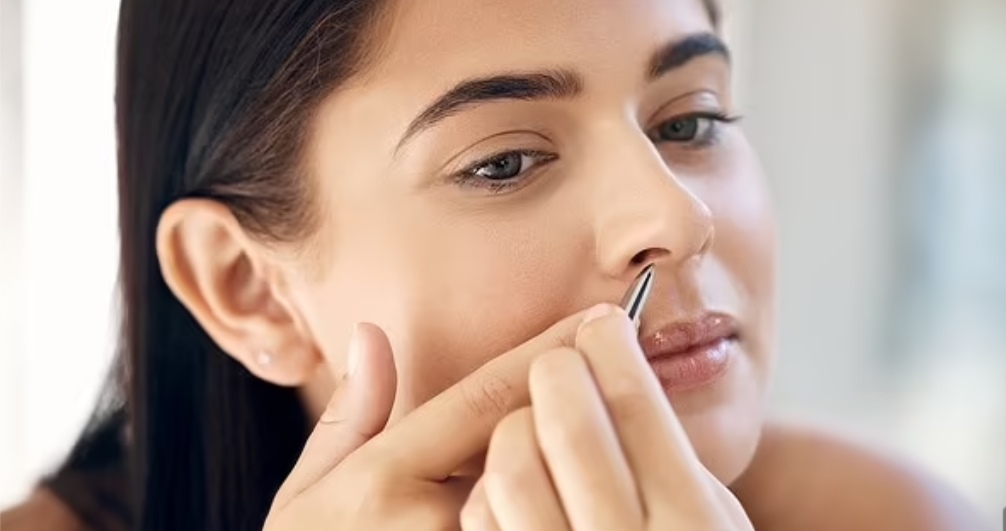
Is permanent hair removal safe? This is one of the most common questions people ask before considering treatments like laser hair removal or electrolysis.
The short answer is yes, permanent hair removal is generally safe, but the level of safety depends on the method used, the provider’s experience, and following proper aftercare.
In this article, we will explain why permanent hair removal is safe, the potential risks, and how to make it as safe as possible.
Is Permanent Hair Removal Safe?
Yes. Permanent hair removal is generally safe when performed by trained professionals using approved methods like laser hair removal or electrolysis.
Here’s why:
-
Medical Approval: Both laser hair removal and electrolysis are approved by the U.S. Food and Drug Administration (FDA) for permanent hair reduction. Research, including studies from the American Academy of Dermatology, confirms that these treatments are safe for cosmetic use.
-
Targeted Treatment: Lasers only affect the hair follicle, not the surrounding skin, while electrolysis targets individual follicles. This precision reduces the risk of serious skin damage.
-
Low Risk of Long-Term Health Problems: Studies show no link between laser treatments and cancer or other long-term health issues. The light used in laser hair removal is not harmful radiation.
-
Manageable Side Effects: Most side effects, such as redness, swelling, or mild discomfort, are temporary. Serious complications are rare when proper techniques are used.
-
Professional Guidance Reduces Risk: Choosing a licensed provider and following aftercare instructions makes the procedure safer, even for sensitive skin types.
How To Keep Skin Healthy And Glowing – Learn More
Understanding Permanent Hair Removal
Permanent hair removal is designed to reduce hair growth for the long term. The two most common methods are laser hair removal and electrolysis.
Laser hair removal uses focused light to damage hair follicles, slowing or stopping hair growth. It is most effective on dark hair and lighter skin tones, but newer technology works on a wider range of skin types.
Electrolysis, on the other hand, uses a tiny electric current applied directly to individual hair follicles to prevent regrowth.
It is the only method recognized by the FDA as truly permanent hair removal for all hair colors and skin types. Both methods require multiple sessions because hair grows in cycles, meaning some hair may be in a dormant phase during treatment.
When people ask if permanent hair removal is safe, understanding how these methods work is the first step in answering the question.
Both target hair follicles without affecting deeper tissues, which makes them safer than harsh chemical treatments or continuous waxing.
RELATED: Nose Hair Permanent Removal
Side Effects and Risks
While permanent hair removal is safe, minor side effects can occur. Temporary redness, slight swelling, and skin sensitivity are the most common. These symptoms usually resolve within a few hours to a few days.
Less common risks include skin burns, blisters, or mild hyperpigmentation (darkening of the skin).
These risks are significantly reduced when the procedure is performed by a licensed and experienced professional who adjusts the treatment according to the patient’s skin type and hair color.
Electrolysis may also leave small scabs or redness in the treated area. Proper aftercare, such as avoiding sun exposure and keeping the skin clean, minimizes these risks.
Following professional guidance is key to safely answering is permanent hair removal safe.
How To Trim Nose Hair For Women – Learn More
Who Should Be Careful?
According to the Dermatologic clinics, 2013, permanent hair removal is safe for most people, certain groups should exercise caution:
- Pregnant individuals
- People with active skin infections or open wounds
- Those prone to keloid scarring
- People taking photosensitive medications
Consulting a licensed dermatologist before treatment can help reduce risks. Often, a small patch test is performed to make sure the skin reacts safely before proceeding with full treatment.
Click here to learn more about how to cut nose hair without a trimmer: a complete guide.
Making Permanent Hair Removal Safer
Professional guidance is critical for safety. Choosing a trained provider and licensed clinic ensures that proper equipment and techniques are used.
Patients should also follow aftercare instructions carefully, including avoiding sun exposure, not picking at treated areas, and moisturizing properly.
Home laser devices are available but often deliver lower energy levels and carry higher risks if used incorrectly. For these reasons, professional treatment is considered safer and more effective.
Learn more about the best hair, skin, and nail vitamins.
A Word from GetMe Treated
Is permanent hair removal safe? Yes. Medical research, professional guidance, and FDA approval all confirm that both laser hair removal and electrolysis are safe for most people.
Minor side effects are common, but serious complications are rare when performed by trained professionals. Proper consultation, treatment, and aftercare make permanent hair removal a reliable and safe way to reduce unwanted hair.
For anyone considering permanent hair removal, understanding the methods, risks, and professional standards ensures that safety is maximized. With the right approach, the question is permanent hair removal safe has a clear and confident answer: yes.
How To Use Turmeric To Brighten Skin Rongdhono – Learn More
FAQs About Is Permanent Hair Removal Safe
Does permanent hair removal hurt?
Most people feel mild discomfort that fades quickly.
Can permanent hair removal damage skin?
Damage is rare when treatment is done correctly.
Is laser hair removal safe for sensitive skin?
Yes, with proper settings and professional care.
How many sessions are usually needed?
Most people need 6 to 8 sessions.
Is electrolysis approved for permanent hair removal?
Yes, it is FDA-approved.
Can hair grow back after treatment?
Some fine regrowth is possible over time.