

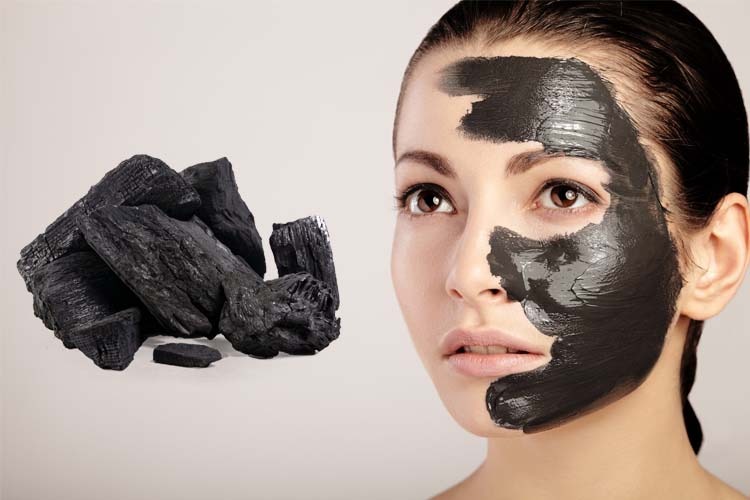
Charcoal face wash is a popular skincare product found in many drugstores and beauty aisles. Many people use it to control oil, reduce acne, and deeply cleanse the skin. But does charcoal face wash work, or is it just a trend?
Research suggests that activated charcoal may help absorb excess oil and impurities from the skin. However, results can vary depending on your skin type and how often you use it.
This article explains what charcoal face wash does, what science says, and whether it may be right for you.
What Is Charcoal Face Wash?
Charcoal face wash contains activated charcoal, a fine black powder made from heated carbon materials such as wood, coconut shells, or peat.
Activated charcoal is processed at very high temperatures. This creates tiny pores in the charcoal. These pores allow it to trap chemicals and toxins.
According to the National Institutes of Health (NIH), activated charcoal is often used in emergency medicine to treat certain types of poisoning because it binds to toxins in the stomach.
Researchers describe this process as “adsorption,” which means substances stick to the surface of the charcoal.
In skincare, the idea is similar. Charcoal may help bind to oil, dirt, and debris on the skin’s surface.
Charcoal Skin Care Reviews: What Science Says – Learn More
How Does Charcoal Face Wash Work?
To understand if charcoal face wash work claims are valid, it helps to look at how it interacts with the skin.
Activated charcoal:
- Has a porous surface
- May attract and bind oil
- May help remove surface impurities
- Can provide a deep-clean feeling
When you massage the cleanser onto your face, it mixes with oil and debris. When rinsed off, some of these impurities may wash away with it.
However, it is important to note that most evidence for charcoal’s detox effects comes from medical use inside the body. There are fewer high-quality studies on its topical skincare benefits.
A review published in the Journal of Clinical and Aesthetic Dermatology suggests that charcoal-containing skincare products may help oily or acne-prone skin, but more research is needed to confirm long-term benefits.
Is Charcoal Soap Antibacterial? Click Here to Learn More
Potential Benefits of Charcoal Face Wash
1. May Help Control Oily Skin
If you have oily skin, charcoal may help absorb excess sebum.
Sebum is the natural oil your skin produces. Too much sebum can clog pores and contribute to acne. By reducing surface oil, charcoal cleansers may leave skin feeling less greasy.
Dermatologists often recommend oil-control cleansers for acne-prone individuals. Charcoal is one ingredient that may support this goal.
What Is the Medical Term for Itchy Skin? Click Here to Learn More
2. May Help Unclog Pores
Clogged pores form when oil, dead skin cells, and bacteria collect inside hair follicles.
Because activated charcoal may bind to debris on the skin’s surface, it may help reduce buildup that contributes to blackheads.
However, charcoal face wash does not shrink pores. Pore size is largely determined by genetics. Cleansers can only reduce their appearance temporarily.
Learn more about Tiny Bumps on Skin: Causes and Treatments.
3. May Support Acne-Prone Skin
Many products marketed for acne include charcoal. But does charcoal face wash work for breakouts?
Acne develops due to:
- Excess oil
- Clogged pores
- Bacteria
- Inflammation
Charcoal may help with the oil and debris part of this process. However, it does not directly kill acne-causing bacteria like benzoyl peroxide does.
The American Academy of Dermatology (AAD) notes that proven acne treatments include ingredients like salicylic acid, retinoids, and benzoyl peroxide. Charcoal may be helpful as part of a broader routine, but it is not considered a first-line acne treatment.
Click here to learn more about Skin Rashes That Itch: Causes and Treatments.
4. May Provide a Deep-Clean Feeling
Many users report that charcoal cleansers leave their skin feeling very clean.
This sensation may be due to:
- Removal of surface oil
- Foaming agents in the formula
- Mild exfoliating effects
However, feeling “squeaky clean” is not always better. Over-cleansing can strip the skin barrier and cause dryness or irritation.
Learn more about Mysterious Skin Trigger Warnings.
Possible Side Effects
Charcoal face wash is generally safe for most skin types. Still, there are a few things to consider.
1. Dryness
Because charcoal absorbs oil, it may be too drying for people with dry or sensitive skin.
If your skin feels tight or flaky after washing, you may need a gentler cleanser.
2. Irritation
Some charcoal cleansers contain added fragrances or exfoliating particles. These ingredients may irritate sensitive skin.
The NIH notes that maintaining the skin barrier is important for preventing inflammation. If irritation develops, stop using the product and consult a dermatologist.
How To Keep Skin Healthy And Glowing – Learn More
Who May Benefit Most?
Charcoal face wash may be most helpful for:
- Oily skin
- Combination skin
- Acne-prone skin
- People exposed to pollution
It may be less helpful for:
- Very dry skin
- Eczema-prone skin
- Rosacea
If you have a chronic skin condition, consider speaking with a board-certified dermatologist before trying new products.
How To Use Olive Oil On Face For Oily Skin – Learn More
How to Use Charcoal Face Wash Safely
To reduce the risk of irritation:
- Use once daily at first.
- Apply to damp skin.
- Massage gently for 20–30 seconds.
- Rinse thoroughly.
- Follow with moisturizer.
Avoid scrubbing harshly. Gentle cleansing protects the skin barrier.
If you are also using acne treatments like retinoids or exfoliating acids, monitor your skin for dryness.
Learn more about Lemon Juice Benefits for Skin.
What Does the Research Say?
When asking, does charcoal face wash work, it is important to look at evidence.
Scientific data on topical charcoal is limited. Most studies focus on activated charcoal in medical settings.
Some laboratory studies suggest charcoal has strong adsorption properties. This supports the idea that it can bind to oil and impurities.
However:
- There are a few large clinical trials on charcoal cleansers.
- Long-term skin benefits are not well studied.
- Most claims are based on its known chemical properties rather than direct skincare research.
Dermatologists generally consider charcoal cleansers safe but not essential.
In other words, charcoal face wash may help some people, but it is not a miracle solution.
Click here to learn more about How To Make Vitamin E Oil For Skin.
Charcoal vs. Other Cleansers
Here is how charcoal compares with other common ingredients:
Salicylic acid
- Penetrates pores
- Helps dissolve oil
- Well-studied for acne
Benzoyl peroxide
- Kills acne-causing bacteria
- Reduces inflammation
Gentle hydrating cleansers
- Support the skin barrier
- Best for dry or sensitive skin
Charcoal works mainly on the surface. It may complement other ingredients, but does not replace them.
Why Do Some People’s Veins Appear Through Their Skin? Click Here to Learn More
When to See a Dermatologist
If you experience:
- Persistent acne
- Painful cysts
- Severe irritation
- Skin infections
See a dermatologist. Professional guidance can prevent scarring and long-term damage.
Mild breakouts are common and often manageable with over-the-counter products. Severe or worsening symptoms deserve medical attention.
Learn more about how to use turmeric to brighten skin
A Word from GetMe Treated
Charcoal face wash may help absorb excess oil and remove surface impurities. Some people with oily or acne-prone skin find it useful as part of their daily routine.
However, scientific research on topical charcoal is limited. It does not replace proven acne treatments. Results vary based on skin type and overall skincare habits.
If used gently and paired with a moisturizer, charcoal cleansers are generally safe for most people.
Clear + Calm + Evidence + Structure + Trust – that is what matters most in skincare decisions.
Content reviewed for accuracy and clarity.
Learn more about Why Your Skin May Be Aging Faster Than Ever.
FAQs About Does Charcoal Face Wash Work
Does charcoal face wash work for blackheads?
It may help reduce surface buildup that contributes to blackheads. However, it does not permanently remove or shrink pores.
Can I use charcoal face wash every day?
Many people can use it once daily. If dryness occurs, reduce use to a few times per week.
Is charcoal face wash good for dry skin?
It may be too drying for dry skin types. A hydrating cleanser may be a better choice.
How long does it take to see results?
Some people notice less oil within a few uses. Acne improvement, if any, may take several weeks.
Is charcoal face wash safe for sensitive skin?
It depends on the formula. Fragrance-free and gentle versions may be better tolerated.
Should I stop using it if my skin feels tight?
Yes. Tightness may be a sign of over-drying. Switch to a milder cleanser and consider consulting a dermatologist if irritation continues.