

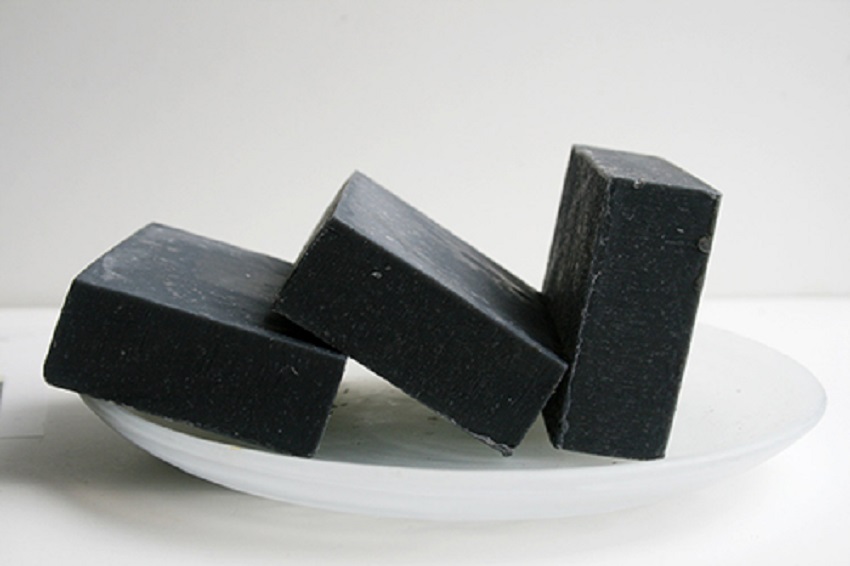
Charcoal soap is popular in many skin care routines. Many people wonder, is charcoal soap antibacterial? The short answer is: it may have mild antibacterial effects, but it is not a medical-grade antibacterial product.
Understanding how it works can help you decide if it fits your skin care needs.
What Is Charcoal Soap?
Charcoal soap is usually made with activated charcoal. Activated charcoal is a fine black powder treated with heat to increase its surface area.
Because of its porous surface, it can bind to dirt, oil, and some toxins. This is called adsorption.
It is commonly used in:
- Facial cleansers
- Body soaps
- Acne products
- Detox masks
Activated charcoal is also used in hospitals to treat certain types of poisoning. According to the National Institutes of Health (NIH), activated charcoal can bind to substances in the stomach and reduce absorption in emergencies.
However, skin care use is very different from medical use.
What Is the Medical Term for Itchy Skin? Click Here to Learn More
Is Charcoal Soap Antibacterial?
The Short Answer
Charcoal soap may help reduce bacteria on the skin, but it is not considered a true antibacterial soap.
If you’re asking, is charcoal soap antibacterial enough to kill harmful germs? Current evidence suggests it does not work the same way as antibacterial medications or prescription cleansers.
How Antibacterial Soaps Work
True antibacterial soaps contain ingredients designed to kill or reduce bacteria.
In the past, many soaps used triclosan. Today, most antibacterial soaps rely on:
- Benzalkonium chloride
- Alcohol-based ingredients
- Chlorhexidine (in medical settings)
The Food and Drug Administration (FDA) has stated that regular soap and water are effective for everyday handwashing.
Learn more about Tiny Bumps on Skin: Causes and Treatments.
In fact, in 2016, the FDA banned certain antibacterial ingredients in consumer soaps due to a lack of safety and effectiveness data.
According to the Centers for Disease Control and Prevention (CDC), washing hands with plain soap and water removes germs effectively in most situations.
This is important context.
Charcoal soap does not usually contain approved antibacterial drug ingredients unless clearly labeled.
Does Activated Charcoal Kill Bacteria?
Research suggests activated charcoal can bind to bacteria. But binding is not the same as killing.
Some laboratory studies show charcoal may:
- Absorb impurities
- Bind certain microbes
- Reduce surface oil
However, most of these studies are done in controlled lab settings, not on human skin during normal washing.
The World Health Organization (WHO) emphasizes proper hygiene practices, including regular handwashing with soap, as the primary way to reduce infection risk.
There is no strong evidence that charcoal soap alone provides medical-level antibacterial protection.
Learn more about Skin Rashes That Itch: Causes and Treatments.
Why People Think Charcoal Soap Is Antibacterial
Charcoal soap is often marketed for acne and oily skin. Since acne involves bacteria (such as Cutibacterium acnes), people assume charcoal must kill bacteria.
Here’s what it may actually do:
- Remove excess oil
- Clear clogged pores
- Help reduce debris buildup
- Improve the appearance of skin
By removing oil and dirt, charcoal soap may create a less favorable environment for bacteria. That does not mean it directly kills them.
So again, if you’re wondering, is charcoal soap antibacterial in a clinical sense? The evidence does not strongly support that claim.
Mysterious Skin Trigger Warnings – Learn More
Charcoal Soap and Acne
Acne is influenced by several factors:
- Oil production
- Hormones
- Inflammation
- Bacteria
Cleansing the skin can help manage oil. According to the American Academy of Dermatology (AAD), gentle cleansing twice daily can support acne treatment.
Charcoal soap may help with:
- Oily skin
- Mild breakouts
- Surface impurities
But it is not a substitute for:
- Benzoyl peroxide
- Salicylic acid
- Prescription acne medication
If acne is persistent or severe, a dermatologist can recommend evidence-based treatments.
How To Keep Skin Healthy And Glowing – Learn More
Is Charcoal Soap Better Than Regular Soap?
For daily hygiene, regular soap works well.
The CDC confirms that washing with plain soap removes germs by lifting dirt and microbes off the skin.
Charcoal soap may offer:
- A deep-cleansing feel
- Oil control
- Cosmetic benefits
But it is not proven to be superior for killing bacteria.
If your goal is infection prevention, technique matters more than the soap type:
- Wash for at least 20 seconds
- Rinse thoroughly
- Dry with a clean towel
Learn more about How To Use Olive Oil On Face For Oily Skin.
Who Might Benefit from Charcoal Soap?
Charcoal soap may help people who:
- Have oily skin
- Prefer fragrance-free products
- Want a deep-cleansing sensation
- Experience mild body odor
Some users find it helpful for back or chest breakouts.
However, people with dry or sensitive skin may notice irritation. Activated charcoal can sometimes be drying.
If irritation happens:
- Reduce frequency
- Switch to a gentle cleanser
- Speak with a healthcare professional
Learn more about Lemon Juice Benefits for Skin.
When Antibacterial Products Are Necessary
In most home settings, regular soap is enough.
Antibacterial cleansers may be recommended:
- In hospitals
- Before surgery
- For certain skin infections
- When advised by a doctor
The WHO and CDC both emphasize that proper handwashing technique is more important than specialty soaps for everyday use.
If you have a skin infection, open wound, or medical condition, consult a healthcare provider before relying on charcoal soap.
How To Make Vitamin E Oil For Skin – Learn More
Safety and Side Effects
Charcoal soap is generally safe for most people.
Possible side effects include:
- Dryness
- Skin tightness
- Mild irritation
- Temporary dark residue
If you experience:
- Rash
- Severe itching
- Swelling
Stop use and seek medical advice.
There is no strong evidence that charcoal soap harms healthy skin when used moderately.
Why Do Some People’s Veins Appear Through Their Skin? Click Here to Learn More
A Word from GetMe Treated
So, is charcoal soap antibacterial?
It may help reduce surface impurities and possibly bind some bacteria. However, it is not classified as a medical antibacterial soap and does not replace proper hygiene practices or prescribed treatments.
For most people:
- Regular soap works well for daily cleaning.
- Charcoal soap may support oily or acne-prone skin.
- Serious infections require medical care.
Choosing skin care products should be based on your skin type and medical advice, not marketing claims.
Content reviewed for accuracy and clarity using guidance from the CDC, WHO, NIH, FDA, and dermatology experts.
Learn more about Both Skin And Lung Cancer Are Classified As Carcinomas.
FAQs About Is Charcoal Soap Antibacterial
Is charcoal soap antibacterial enough for handwashing?
Regular soap and water are effective for handwashing. Charcoal soap cleans the skin but is not proven to be stronger than standard soap.
Can charcoal soap kill acne bacteria?
It may help reduce oil and debris, which can support acne care. However, it does not replace proven acne treatments.
Is charcoal soap safe for sensitive skin?
It can be drying. People with sensitive skin may need a gentler cleanser.
Does charcoal soap remove toxins from the skin?
It may bind to surface impurities, but claims about “detoxifying” the body are not strongly supported by scientific evidence.
Should I use charcoal soap every day?
Some people can use it daily. If dryness occurs, reduce use to a few times per week.
Is charcoal soap better than antibacterial soap?
For everyday hygiene, regular soap is effective. Medical antibacterial soaps are used in specific healthcare settings when recommended by professionals.
If you have ongoing skin concerns, consider speaking with a licensed healthcare provider for personalized guidance.