

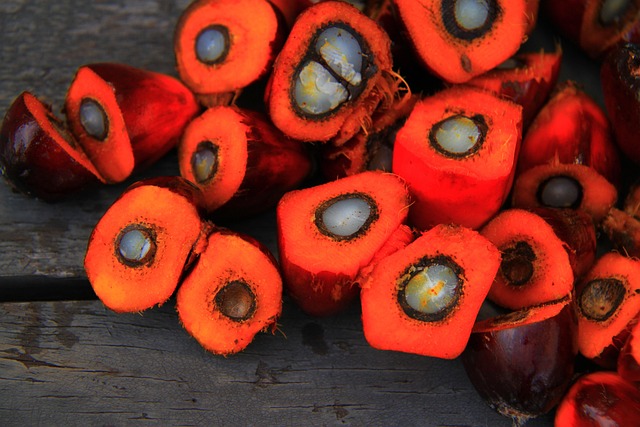
Malaysia is one of the world’s largest producers of types of crude palm oil in Malaysia. Palm oil plays an important role in food production, cosmetics, and industrial products.
Crude palm oil comes directly from the oil palm fruit. It is not refined or processed yet. Different forms exist based on how and where the oil is extracted.
Understanding the types of crude palm oil in Malaysia can help you make informed choices about nutrition, safety, and sustainability.
This guide breaks down the main types, how they differ, and what research says about their health and environmental impact.
What Is Crude Palm Oil?
Crude palm oil (CPO) is oil extracted from the fruit of the oil palm tree, scientifically known as Elaeis guineensis.
The oil has a natural reddish-orange color. This color comes from carotenoids, which are plant compounds that may help support eye health.
According to the World Health Organization, palm oil is widely used in many countries because it is stable at high temperatures and affordable. Like all fats, it is best consumed in moderation.
Food Pooping: Eating Habits That Affect Digestion – Learn More
Main Types of Crude Palm Oil in Malaysia
Malaysia produces several types of crude palm oil in Malaysia. These types differ based on:
- The part of the fruit used
- The extraction method
- The processing stage
- The nutrient content
Below are the main categories.
Why Does Food Poisoning Cause Headaches? Click Here to Learn More
1. Crude Palm Oil (CPO) from Fresh Fruit Bunches
This is the most common type.
It is extracted from the fleshy outer part (mesocarp) of fresh palm fruit bunches.
Key features:
- Reddish-orange color
- Contains natural antioxidants
- Semi-solid at room temperature
This type is later refined into cooking oil and used in processed foods.
Research published in nutrition and food science journals suggests that unrefined red palm oil contains tocotrienols, a form of vitamin E. Tocotrienols may help protect cells from oxidative stress. More long-term human studies are still needed.
Does Food Poisoning Start Immediately After Eating Something That Has Gone Bad? Click Here to Learn More
2. Crude Palm Kernel Oil (CPKO)
Crude palm kernel oil is different from regular crude palm oil.
It is extracted from the seed (kernel) inside the fruit, not the outer flesh.
Key features:
- Light yellow color
- Higher saturated fat content
- Common in confectionery and cosmetics
Palm kernel oil has a fatty acid profile similar to coconut oil. Data referenced by global food agencies shows it contains lauric acid, which may help improve shelf stability in food products.
Because it is high in saturated fat, health experts recommend moderate intake as part of a balanced diet.
Are Your Favorite Foods and Drinks Unhealthy? Click Here to Learn More
3. Red Crude Palm Oil (Unrefined)
Red crude palm oil is minimally processed.
It keeps more of its natural nutrients compared to refined palm oil.
Key features:
- Deep red color
- Rich in carotenoids
- Contains vitamin E compounds
The National Institutes of Health explains that carotenoids act as antioxidants in the body. Antioxidants may help protect cells from damage.
However, red palm oil is still calorie-dense. It should replace other fats carefully, not be added on top of them.
Click here to learn more about 7 Foods That Make You Smell Bad.
4. Low Free Fatty Acid (Low-FFA) Crude Palm Oil
Free fatty acids (FFA) increase when fruit is bruised or stored too long before processing.
Low-FFA crude palm oil is considered higher quality in trade markets.
Key features:
- Lower acidity
- Better storage stability
- Preferred for export
In Malaysia, quality standards are monitored by the Malaysian Palm Oil Board. Fast processing after harvest helps reduce FFA levels.
Lower FFA does not automatically mean healthier oil. It mainly reflects freshness and handling quality.
Learn more about Healing Foods for Back Pain.
5. High Carotene Crude Palm Oil
Some Malaysian producers focus on preserving carotene levels during processing.
Key features:
- Strong red-orange color
- Higher antioxidant content
- Used in specialty food markets
Carotenes are converted into vitamin A in the body. According to the World Health Organization, vitamin A plays an important role in vision and immune function.
Still, palm oil should not replace fruits and vegetables. A varied diet remains important for overall health.
Dangers Of Raw Food Diet – Learn More
How Malaysia Classifies Crude Palm Oil
The types of crude palm oil in Malaysia are also classified by:
1. Grade
- Standard grade
- Premium grade
- Industrial grade
2. Processing Method
- Mechanical pressing
- Solvent extraction (mainly for kernels)
3. Sustainability Certification
Malaysia promotes certified sustainable palm oil (CSPO).
The Roundtable on Sustainable Palm Oil sets international standards to reduce the environmental impact of palm oil production. These standards aim to protect forests, wildlife, and local communities.
If sustainability matters to you, look for certification labels on products.
Learn more about What Causes Pooping Undigested Food.
Is Crude Palm Oil Safe?
Palm oil has been widely studied.
The WHO states that saturated fats should be limited to reduce the risk of heart disease. The Centers for Disease Control and Prevention also recommends reducing saturated fat intake as part of heart-healthy eating patterns.
Palm oil contains saturated fats. This does not mean it must be avoided completely. It means portion control matters.
If you have high cholesterol, heart disease, or other health conditions, speak with a doctor or registered dietitian before making dietary changes.
Learn more about Foods To Repair Teeth Naturally – Xylitol
Nutritional Overview of Crude Palm Oil
Crude palm oil contains:
- Saturated fats
- Monounsaturated fats
- Vitamin E (tocotrienols and tocopherols)
- Carotenoids
It does not contain cholesterol because it is plant-based.
Some studies suggest that replacing trans fats with palm oil may improve lipid profiles. However, replacing unsaturated oils like olive oil with palm oil may not provide the same heart benefits.
Balance and moderation are important.
Do Not Drink Water After Eating These Foods – Learn More
Environmental Considerations
Malaysia is a major exporter of palm oil.
Palm oil farming supports jobs and economic development. At the same time, concerns about deforestation and biodiversity loss exist.
Organizations such as the RSPO and the Malaysian Palm Oil Board work to improve sustainable farming practices.
Choosing certified products may help support responsible production.
Learn more about Best Anti-Aging Foods.
A Word from GetMe Treated
The main types of crude palm oil in Malaysia include:
- Crude palm oil (from fruit flesh)
- Crude palm kernel oil (from the seed)
- Red crude palm oil
- Low-FFA crude palm oil
- High carotene crude palm oil
Each type differs in color, fat composition, processing method, and intended use.
Palm oil may provide antioxidants like carotenoids and vitamin E. However, it is high in saturated fat and should be consumed in moderation.
If you are unsure whether palm oil fits your diet, a healthcare professional can offer personalized guidance.
Content reviewed for accuracy and clarity.
Learn more about Foods That Are Bad For Your Kidneys
FAQs About Types of Crude Palm Oil in Malaysia
What is the difference between crude palm oil and palm kernel oil?
Crude palm oil comes from the fruit flesh. Palm kernel oil comes from the seed inside the fruit. They have different fat compositions and uses.
Is red crude palm oil healthier than refined palm oil?
Red crude palm oil contains more antioxidants. It may help support vitamin A intake. However, it is still high in calories and saturated fat.
Does palm oil increase heart disease risk?
Palm oil contains saturated fat, which may raise LDL cholesterol in some people. Risk depends on total diet and lifestyle factors.
Is Malaysian palm oil sustainable?
Some producers follow certified sustainable standards such as RSPO guidelines. Look for certification labels when possible.
Can crude palm oil be used for cooking?
It is usually refined before being sold for cooking. Refined palm oil is more common in supermarkets.
Why is crude palm oil red?
Its red color comes from carotenoids, natural plant compounds that may help support eye and immune health.