

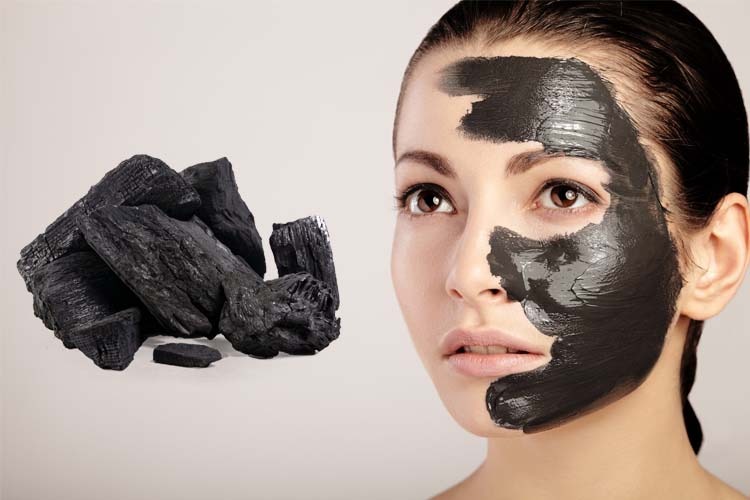
Charcoal skin care reviews are everywhere online. From face masks to cleansers, many products claim to deeply clean the skin and reduce oil. But what does science actually say?
Activated charcoal has been used in medicine for years. Today, it is common in beauty products. This article explains how charcoal works, what research shows, and whether it may help your skin.
Content reviewed for accuracy and clarity.
What Is Activated Charcoal?
Activated charcoal is a fine black powder made from carbon-rich materials like coconut shells or wood. It is processed at high heat to create tiny pores.
These pores allow charcoal to trap certain chemicals. In medicine, activated charcoal is used in emergency rooms to treat some types of poisoning.
According to the National Institutes of Health (NIH), it works by binding toxins in the stomach so the body cannot absorb them.
In skin care, the idea is similar. Charcoal may help trap oil, dirt, and impurities on the skin’s surface.
Learn more about Body Skin Care Routine.
How Charcoal Works on the Skin
Charcoal does not “pull toxins” from deep inside the body. That claim is not supported by medical research.
Instead, charcoal may:
- Bind excess oil (sebum)
- Help remove dirt from pores
- Provide gentle exfoliation in some products
- Leave skin feeling clean
Most charcoal skin care reviews mention the “deep clean” feeling after use. This effect may be due to its oil-absorbing properties.
However, more high-quality clinical studies are still needed to confirm long-term skin benefits.
Learn more about How To Use Turmeric To Clear Up My Skin Breakouts.
Potential Benefits of Charcoal Skin Care
1. May Help Oily Skin
Charcoal products are often marketed for oily or acne-prone skin.
Some small studies suggest that oil-absorbing ingredients may reduce shine and improve the look of pores. Dermatologists note that activated charcoal can bind to oil on the skin surface.
If you have oily skin, charcoal cleansers or masks may help reduce greasiness temporarily.
2. May Improve the Look of Pores
Pores do not open and close. But when they are filled with oil and debris, they may appear larger.
By removing surface buildup, charcoal may help pores look smaller. This is a cosmetic effect, not a permanent change.
Learn more about How To Use Turmeric To Brighten Skin Rongdhono.
3. May Support Acne Care Routines
Acne is caused by clogged pores, bacteria, inflammation, and excess oil.
Charcoal alone does not treat acne. But it may help as part of a broader routine that includes:
- Salicylic acid
- Benzoyl peroxide
- Retinoids (if recommended by a doctor)
The American Academy of Dermatology explains that acne treatment should target oil, bacteria, and inflammation. Charcoal may help with oil control, but it is not a stand-alone treatment.
What Charcoal Skin Care Reviews Often Highlight
When looking at charcoal skin care reviews, common themes include:
- Skin feels smoother
- Less oil during the day
- Cleaner-looking pores
- Matte finish after use
Some users also report dryness or tightness. This can happen because charcoal absorbs oil, and removing too much oil may disrupt the skin barrier.
People with sensitive or dry skin should use caution.
Both Skin And Lung Cancer Are Classified As Carcinomas – Learn More
Types of Charcoal Skin Care Products
1. Charcoal Cleansers
Used daily or a few times a week.
May help remove excess oil and dirt. Look for formulas with gentle surfactants and moisturizing ingredients like glycerin.
2. Charcoal Face Masks
Often used 1–2 times per week.
Clay-based charcoal masks may provide deeper oil control. Leaving them on too long can cause dryness.
Is Charcoal Soap Antibacterial? Click Here to Learn More
3. Charcoal Scrubs
Contain physical exfoliants.
These may feel satisfying, but can irritate sensitive skin. The NIH notes that over-exfoliation can weaken the skin barrier.
4. Charcoal Soaps
Popular for body use.
May help with oily areas like the back or chest. Avoid using harsh bar soaps on the face if you have dry or sensitive skin.
Why Do Some People’s Veins Appear Through Their Skin? Click Here to Learn More
Are There Risks?
Charcoal skin care products are generally safe for most people. However, there are some concerns.
Possible Side Effects
- Dryness
- Skin tightness
- Redness
- Irritation
Using charcoal too often may strip natural oils. This can lead to increased oil production in some people.
If you have eczema, rosacea, or very sensitive skin, talk to a dermatologist before trying new products.
According to dermatology research published in peer-reviewed journals, maintaining the skin barrier is essential for healthy skin. Over-cleansing may weaken that barrier.
Learn more about How To Make Vitamin E Oil For Skin.
Who May Benefit Most?
Charcoal products may be helpful for:
- Oily skin types
- People who prefer matte finishes
- Those living in humid climates
- Individuals exposed to pollution
They may be less helpful for:
- Dry skin
- Sensitive skin
- Mature skin needing extra moisture
Every skin type is different. Patch testing new products is always a good idea.
Learn more about Lemon Juice Benefits for Skin.
How to Use Charcoal Products Safely
To reduce the risk of irritation:
- Start with 1–2 times per week
- Follow with a gentle moisturizer
- Avoid mixing with strong exfoliants on the same day
- Stop use if irritation develops
If acne or irritation persists, see a board-certified dermatologist.
Click here to learn more about How To Use Turmeric To Glow Your Skin.
What Science Still Needs to Answer
There are limited large-scale clinical trials on charcoal in cosmetic skin care.
Most claims are based on charcoal’s ability to adsorb (bind) substances. While this mechanism is well documented in medical settings, its full cosmetic impact on skin health needs more study.
Charcoal skin care reviews often reflect personal experiences. These can be helpful, but should not replace medical advice.
How To Cure Skin Fissures – Learn More
How to Read Charcoal Skin Care Reviews Critically
When reading charcoal skin care reviews, consider:
- Is the reviewer’s skin type similar to yours?
- Are they using other active ingredients?
- How long did they use the product?
- Are side effects mentioned?
Look for reviews that describe both pros and cons. Balanced feedback is usually more reliable.
Why Your Skin May Be Aging Faster Than Ever – Learn More
When to See a Dermatologist
Charcoal products are not medical treatments.
If you experience:
- Severe acne
- Painful cysts
- Persistent redness
- Skin infections
Schedule an appointment with a dermatologist. Prescription treatments may be needed.
Early care may help prevent scarring and long-term damage.
Learn more about Tiny Bumps on Skin: Causes and Treatments.
A Word from GetMe Treated
Charcoal skin care reviews often describe smoother, less oily skin. Activated charcoal may help absorb surface oil and impurities.
Current research supports its ability to bind substances, but strong clinical evidence for long-term skin benefits is still limited.
For oily skin types, charcoal products may be a helpful addition to a routine. For dry or sensitive skin, they may irritate.
Use these products in moderation. Focus on gentle cleansing, moisturizing, and sun protection. If skin concerns continue, seek medical advice.
Clear routines and evidence-based care build healthy skin over time.
What Is the Medical Term for Itchy Skin? Click Here to Learn More
FAQs About Charcoal Skin Care Reviews
Is charcoal good for acne?
Charcoal may help reduce oil, which can support acne care. However, it does not treat acne on its own. Medical treatments may be needed for moderate to severe acne.
Can charcoal shrink pores?
Charcoal cannot permanently shrink pores. It may help pores look smaller by removing oil and debris.
How often should I use a charcoal mask?
Most people can use a charcoal mask 1–2 times per week. Overuse may cause dryness.
Is charcoal safe for sensitive skin?
It may cause irritation in sensitive skin. A patch test is recommended before full use.
Does charcoal remove toxins from the skin?
There is no strong scientific evidence that charcoal removes toxins from deep inside the body through the skin. It mainly works on the surface.
Can I use charcoal products every day?
Some gentle charcoal cleansers may be used daily. Strong masks or scrubs should be used less often to protect the skin barrier.