

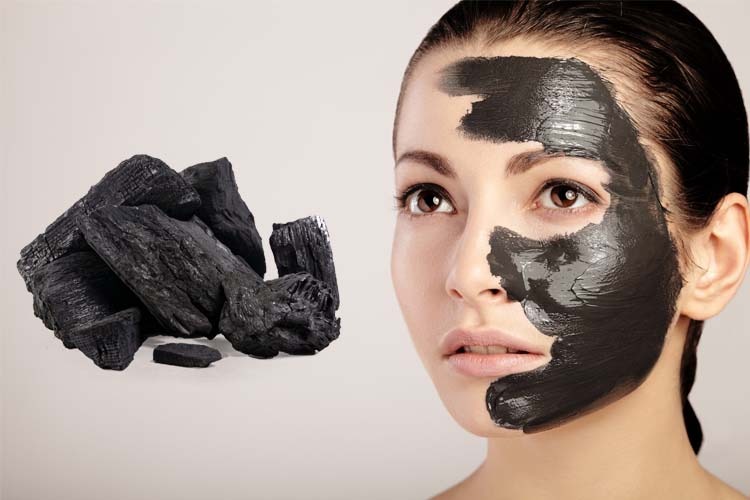
Charcoal face wash is a popular skincare product used to remove oil, dirt, and impurities. Many people wonder: Does charcoal face wash cause skin irritation? The short answer is that it can for some people, especially those with sensitive or dry skin.
Most people use charcoal cleansers without major problems. But like any skincare product, reactions are possible. This article explains what the science says, who may be at risk, and how to use charcoal face wash safely.
What Is Charcoal Face Wash?
Charcoal face wash usually contains activated charcoal. Activated charcoal is processed to make it more porous. This helps it bind to substances like oil and dirt.
According to the National Institutes of Health (NIH), activated charcoal has been used in medicine for decades to bind toxins in cases of poisoning. In skincare, it is used for its absorbing properties.
Charcoal cleansers are often marketed for:
- Oily skin
- Acne-prone skin
- Large pores
- Deep cleansing
While they may help remove excess oil, they are not a medical treatment for acne or skin disease.
Does Charcoal Face Wash Work? Click Here to Learn More
Does Charcoal Face Wash Cause Skin Irritation?
Yes, charcoal face wash may irritate some people.
But it does not irritate everyone.
Skin irritation depends on several factors, including your skin type, how often you use it, and what other ingredients are in the product.
Why Charcoal Face Wash May Irritate Skin
Charcoal itself is not usually harsh. However, problems can happen for these reasons:
1. Over-Drying the Skin
Activated charcoal absorbs oil.
That can be helpful for oily skin. But if too much oil is removed, your skin barrier may become dry and irritated.
The American Academy of Dermatology (AAD) explains that when the skin barrier is damaged, you may notice:
- Redness
- Tightness
- Flaking
- Stinging
Dryness is one of the most common reasons people feel irritation from charcoal cleansers.
Learn more about Charcoal Skin Care Reviews: What Science Says.
2. Harsh Added Ingredients
Some charcoal face washes contain:
- Alcohol
- Fragrance
- Sulfates
- Strong exfoliating acids
These ingredients may increase the risk of irritation, especially for sensitive skin.
According to the U.S. Food and Drug Administration (FDA), fragrance is a common cause of cosmetic-related skin reactions.
Is Charcoal Soap Antibacterial? Click Here to Learn More
So the irritation may not be from the charcoal itself. It may be from other ingredients in the formula.
3. Sensitive or Dry Skin
If you have:
- Eczema
- Rosacea
- Very dry skin
- Sensitive skin
You may be more likely to react.
The National Eczema Association notes that people with eczema have a weaker skin barrier. Strong cleansers may worsen symptoms.
If you already deal with redness or inflammation, charcoal face wash may feel too harsh.
What Is the Medical Term for Itchy Skin? Click Here to Learn More
Who Can Usually Use Charcoal Face Wash Safely?
Charcoal cleansers may help people who have:
- Oily skin
- Combination skin
- Mild acne
- Excess shine
By absorbing oil, charcoal may help reduce clogged pores. Some small studies suggest charcoal masks may reduce oil temporarily.
Still, dermatologists often recommend gentle cleansers first, especially for daily use.
Tiny Bumps on Skin: Causes and Treatments – Learn More
Signs of Skin Irritation
If you’re wondering, does charcoal face wash cause skin irritation in your case, look for these signs:
- Burning or stinging after washing
- Red patches
- Itchiness
- Peeling
- Breakouts that are new or worse
If symptoms are mild, stopping the product may help your skin recover in a few days.
If symptoms are severe or do not improve, it’s best to see a dermatologist.
Learn more about Skin Rashes That Itch: Causes and Treatments.
How to Reduce the Risk of Irritation
You can lower your risk with a few simple steps.
1. Do a Patch Test
Before using a new product:
- Apply a small amount behind your ear or on your inner arm
- Wait 24 hours
- Check for redness or itching
The AAD recommends patch testing new skincare products, especially if you have sensitive skin.
Click here to learn more about Mysterious Skin Trigger Warnings.
2. Use It Once Daily at Most
Using charcoal face wash too often may strip natural oils.
For many people, once per day is enough. Some may only need it a few times per week.
3. Follow With a Moisturizer
Moisturizing after cleansing helps protect the skin barrier.
Look for moisturizers with:
- Ceramides
- Glycerin
- Hyaluronic acid
These ingredients may help restore moisture and reduce dryness.
Learn more about How To Keep Skin Healthy And Glowing.
4. Choose Fragrance-Free Products
Fragrance-free formulas may lower the risk of irritation.
Always check the ingredient list, even if the label says “natural.”
What If You Already Have Irritation?
If you think charcoal face wash caused irritation:
- Stop using the product.
- Switch to a gentle, fragrance-free cleanser.
- Apply a simple moisturizer.
Avoid scrubs or exfoliating acids while your skin heals.
According to the Centers for Disease Control and Prevention (CDC), mild skin irritation from products often improves once exposure stops.
If you notice swelling, severe rash, or signs of infection, seek medical care.
Learn more about How To Use Olive Oil On Face For Oily Skin.
Is Charcoal Face Wash Safe for Acne?
Charcoal may help absorb oil, which can reduce clogged pores.
However, it does not treat the root causes of acne, such as hormones or bacteria.
The NIH explains that acne treatment often requires ingredients like:
- Benzoyl peroxide
- Retinoids
- Salicylic acid
If acne is moderate or severe, a dermatologist may recommend medical treatment rather than relying solely on charcoal cleansers.
Learn more about Lemon Juice Benefits for Skin.
Should You Avoid Charcoal Face Wash?
You may want to avoid it if you:
- Have very dry or sensitive skin
- Have eczema or rosacea
- Notice repeated irritation after use
If your skin feels comfortable and balanced, there is usually no need to stop.
Skincare is personal. What works for one person may not work for another.
Why Do Some People’s Veins Appear Through Their Skin? Click Here to Learn More
A Word from GetMe Treated
So, does charcoal face wash cause skin irritation?
It can, especially in people with dry, sensitive, or compromised skin barriers. The irritation is often linked to over-drying or added harsh ingredients, not always the charcoal itself.
For oily skin types, charcoal cleansers may help reduce excess oil when used gently and in moderation.
To stay safe:
- Patch test first
- Avoid harsh formulas
- Moisturize after washing
- Stop if irritation develops
If symptoms persist, talk with a dermatologist. Calm, consistent skincare is often more effective than strong products.
Click here to learn more about How To Make Vitamin E Oil For Skin.
FAQs About Does Charcoal Face Wash Cause Skin Irritation
Can charcoal face wash cause burning?
Yes, mild burning or stinging may happen if your skin is sensitive or the product is too harsh. Stop using it if the feeling continues.
Is charcoal face wash good for sensitive skin?
It may not be ideal. Sensitive skin often reacts to strong cleansers. A gentle, fragrance-free cleanser may be better.
How often should I use charcoal face wash?
Once daily is usually enough. Some people may only need it a few times per week.
Can charcoal face wash make acne worse?
In some cases, over-drying may trigger increased oil production, leading to breakouts. If acne worsens, consider other treatments.
Is irritation from charcoal face wash permanent?
No. Most mild irritation improves after stopping the product and using gentle skincare.
Should I see a doctor for skin irritation?
See a doctor if irritation is severe, painful, spreading, or not improving after a few days. A dermatologist can help you choose safer products.