

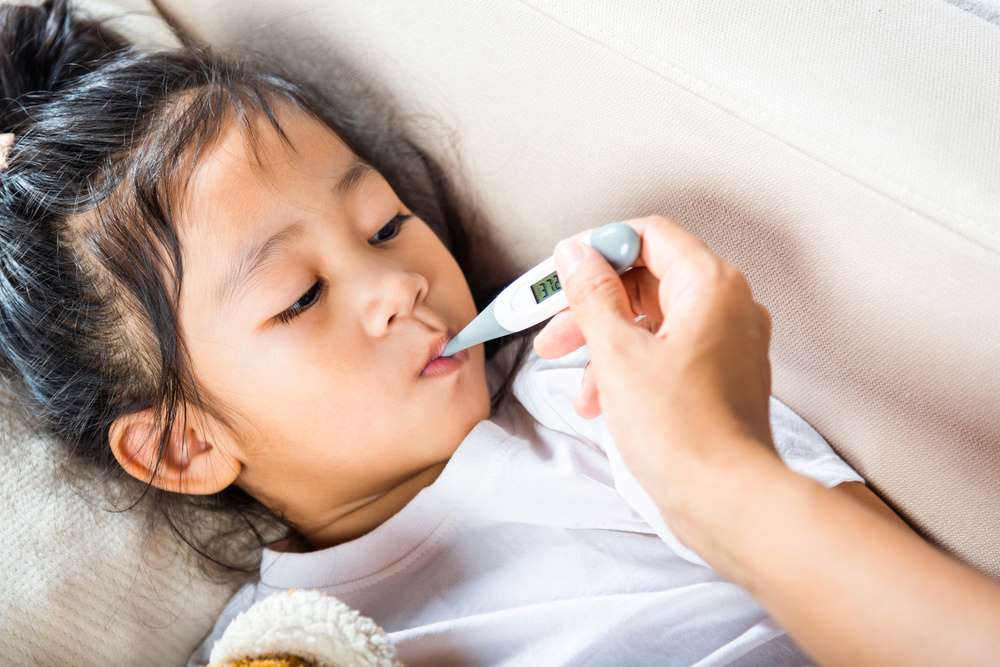
A high fever can be worrying for parents. When a child has a temperature of 39.5 in children, it often signals the body is fighting an infection.
This article gives clear explanations of what to watch for, how to help, and when to contact a doctor. Most fevers are normal and temporary, but a temperature this high deserves careful attention.
What Is a Fever?
A fever happens when the body’s internal temperature rises above normal. For most children, normal body temperature is about 98.6°F (37°C).
When the temperature rises to 102.1°F (39°C) or higher, it is considered a high fever. A temperature of 39.5 in children equals 103.1°F, which is significant and often feels very warm to the touch.
The body raises its temperature to fight off infections from viruses or bacteria. Common causes include colds, flu, ear infections, and other mild illnesses.
Sometimes a vaccine can temporarily raise the temperature. Most fevers in children under age 5 are not dangerous but still need monitoring.
Temp of 39.9 in Children – Learn More
Why Fevers Happen
Fevers are part of the immune response. When your child’s immune system detects a virus or bacteria, it releases chemicals that tell the brain to increase body temperature. This makes it harder for germs to survive and helps white blood cells work better.
According to the American Academy of Pediatrics, fever itself is not an illness but a symptom of an underlying condition. Research also shows that fevers help the body fight infections more effectively than keeping a normal temperature.
Learn more about Temp of 39.4 in Children: What Parents Need to Know.
What Does a Temperature of 39.5 in Children Tell You?
When your child’s temperature reaches 39.5 in children, it means the immune system is actively fighting something. This level of fever is not uncommon, but it should not be ignored. Many mild infections can cause this kind of fever.
However, a fever at this level needs attention because it can lead to dehydration and discomfort. Parents should look for other symptoms such as lethargy, irritability, vomiting, rash, breathing problems, stiff neck, or severe headache.
Learn more about My Child Has a Temperature of 40.
Common Causes of High Fever
Most fevers, including a temperature of 39.5 in children, come from common infections:
- Viral infections – like the common cold, flu, or respiratory syncytial virus (RSV)
- Ear infections – common in young children
- Strep throat – bacterial infection
- Urinary tract infections
- Roseola – viral infection, especially in toddlers
Some fevers come with mild symptoms, while others might make your child very uncomfortable.
Click here to learn more about the temperature of 39.6 in Children.
How to Take Your Child’s Temperature
There are different ways to check temperature:
- Rectal – most accurate for infants and toddlers
- Oral – good for older children
- Temporal (forehead) – fast but slightly less accurate
- Ear (tympanic) – quick but must be positioned correctly
Always follow the thermometer instructions for the most accurate reading.
Toddler with Temperature of 39 – Learn More
How to Help at Home
If your child has a temperature of 39.5 in children, you can help them feel more comfortable:
1. Keep Them Hydrated
Offer small amounts of water, breast milk, formula, or an oral rehydration solution often. Fever can cause fluid loss.
2. Dress Comfortably
Dress your child in light clothing and keep the room at a comfortable temperature. Avoid heavy blankets.
What Do Carbohydrates Do for Children? Click Here to Learn More
3. Rest Is Important
Encourage your child to rest. Sleep and quiet activity help the immune system work more effectively.
4. Fever Reducers
Your pediatrician may recommend acetaminophen or ibuprofen for children over 6 months. Always follow dosing instructions based on your child’s weight and age. Do not give ibuprofen to children younger than 6 months.
Research in pediatric care suggests that the appropriate use of fever reducers can improve comfort but does not shorten the duration of the illness itself.
Learn more about My Child Has a Temperature of 39.
When to See a Doctor
A temperature of 39.5 in children can be normal during common infections, but you should contact a doctor right away if:
- Your child is under 3 months old with a fever
- Fever lasts more than 24 hours in children under 2
- Fever lasts more than 3 days in older children
- Your child is listless, very irritable, confused, or breathing fast
- They have a stiff neck, severe headache, rash, or trouble walking
- Your child is dehydrated (dry mouth, no tears, fewer wet diapers)
- They are having seizures or unusual movements
If your child refuses fluids, vomits all drinks, or has persistent pain, call the doctor.
Poor Eating Habits In Children – Learn More
What to Expect During Your Visit
When you see the doctor, they will:
- Take a detailed history – including symptoms, duration of fever, other illnesses
- Measure temperature and vital signs
- Listen to the lungs and heart
- Check the ears, throat, and abdomen
- Possibly order tests like a strep test, urine test, or blood work
The doctor may diagnose a specific infection and recommend treatment such as antibiotics for bacterial infections. For viral infections, supportive care is often recommended.
Learn more about Why Did I Have Asthma As A Child
Prevention Tips
To help reduce the risk of high fevers:
- Practice good hand hygiene
- Keep vaccinations up to date
- Avoid close contact with sick people
- Teach children to cover coughs and sneezes
Many childhood vaccines help prevent infections that can lead to high fevers.
Learn more about How To Clean Your Child’s Ears.
A Word from GetMe Treated
A fever, especially a temperature of 39.5 in children, can be scary but is often a sign the body is fighting an infection. With proper home care, hydration, and monitoring, most children recover well.
If symptoms worsen or do not improve, contact your doctor. Knowledge, careful observation, and timely care help your child feel better faster.
Learn more about How To Clean An Autistic Child’s Ears.
FAQs About the Temperature of 39.5 in Children
What does a fever of 39.5°C mean in children?
A fever of 39.5°C (103.1°F) means the body temperature is high and the immune system is fighting an infection.
Is a temperature of 39.5 in children dangerous?
It is not usually dangerous, but it needs careful monitoring and possibly medical care.
Should I give medicine for a high fever?
If the child is uncomfortable, age‑appropriate fever reducers like acetaminophen or ibuprofen may help. Always follow dosing instructions.
When should I take a child to the ER?
Go to the emergency room if the child has trouble breathing, seizures, severe pain, or a stiff neck.
Can dehydration happen with a high fever?
Yes, fevers can cause dehydration, so encourage frequent fluids.
Will a fever always mean the child is very sick?
No. Many fevers are part of common viral illnesses and improve with home care.