

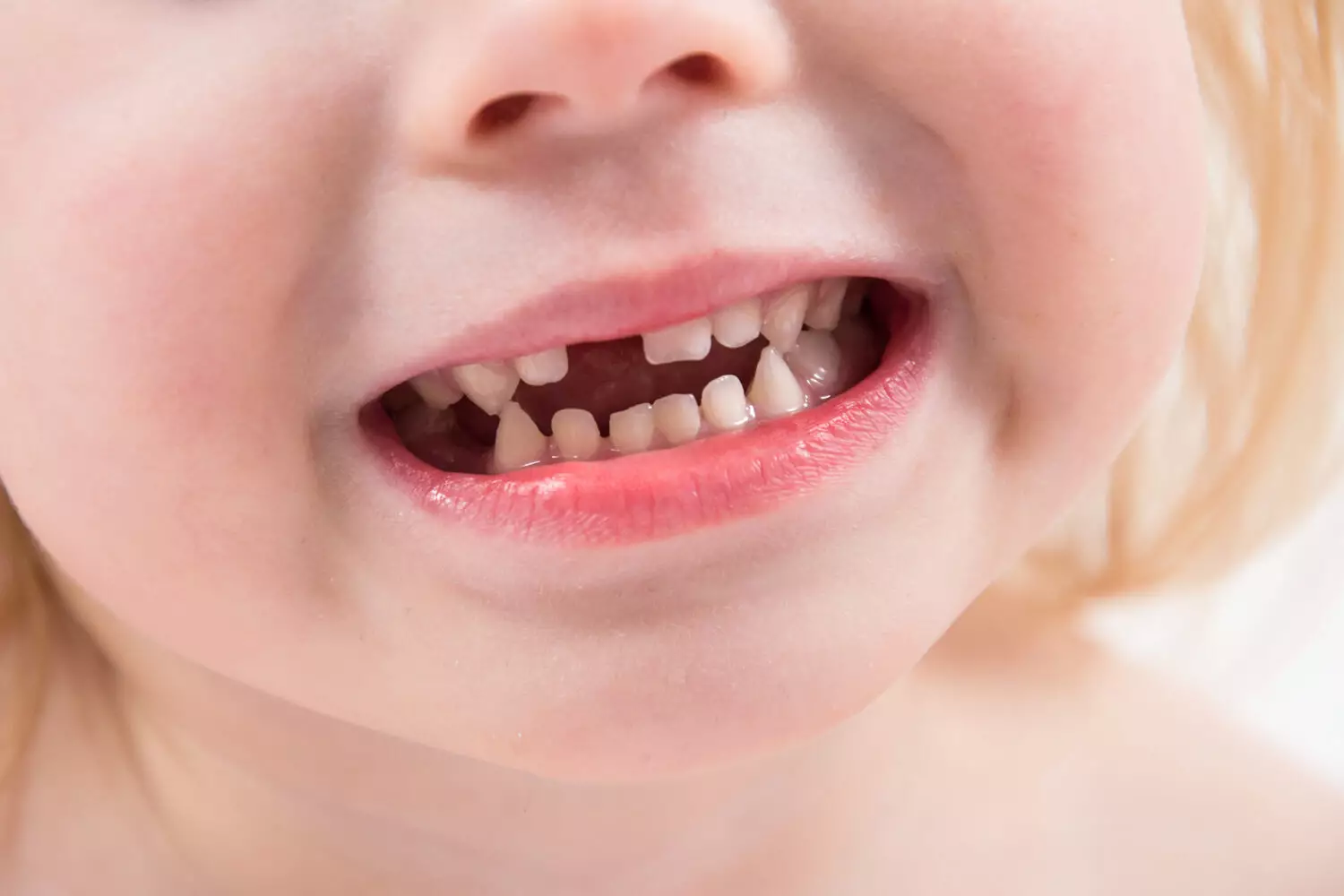
A baby teeth and permanent teeth chart helps parents understand when teeth appear, fall out, and are replaced by adult teeth.
Knowing this timeline makes it easier to spot problems early and support healthy dental development.
This guide explains baby teeth, permanent teeth, and what parents should expect at every stage, using clear timelines and dentist-supported information.
What Are Baby Teeth?
Baby teeth are also called primary teeth or milk teeth. Most children have 20 baby teeth. These teeth help children chew food, speak clearly, and hold space for adult teeth.
Baby teeth usually begin to appear around 6 months of age. Some babies start earlier or later, and that is normal.
Learn more about Baby Losing Teeth Before 4: What You Need to Know.
Baby Teeth Eruption Timeline
Most baby teeth come in by age 3. Below is a general timeline used by dentists:
- Central incisors: 6–12 months
- Lateral incisors: 9–16 months
- First molars: 13–19 months
- Canines: 16–23 months
- Second molars: 23–33 months
Dentists rely on a baby teeth and permanent teeth chart to track these stages and check for delays or crowding.
Xylitol For Teeth Side Effects – Learn More
Why Baby Teeth Matter
Some parents think baby teeth are not important because they fall out. That is a common mistake.
Healthy baby teeth:
- Guide proper jaw growth
- Keep space for adult teeth
- Support clear speech
- Lower the risk of infection
The American Academy of Pediatric Dentistry explains that early tooth decay can affect permanent teeth later.
Foods To Repair Teeth Naturally – Xylitol – Learn More
When Baby Teeth Fall Out
Baby teeth usually begin to loosen around age 6. The process continues until about age 12 or 13.
Teeth fall out in the same order they came in:
- Front teeth first
- Molars last
If a baby tooth falls out too early due to decay or injury, nearby teeth can shift. Dentists often use a baby teeth and permanent teeth chart to decide if treatment is needed.
Learn more about Whiten Teeth With Carrot Ends Recipe.
What Are Permanent Teeth?
Permanent teeth are adult teeth. Most people have 32 permanent teeth, including wisdom teeth.
Permanent teeth are stronger and designed to last a lifetime with proper care.
Permanent Teeth Eruption Timeline
Here is the typical schedule:
- First molars: 6–7 years
- Central incisors: 6–8 years
- Lateral incisors: 7–9 years
- Canines: 9–12 years
- Premolars: 10–12 years
- Second molars: 11–13 years
- Wisdom teeth: 17–25 years (sometimes never)
Dentists compare your child’s growth to a baby’s teeth and permanent teeth chart during routine exams.
Click here to learn more about How To Make Your Teeth Shiny And Healthy.
Baby Teeth vs Permanent Teeth
| Feature | Baby Teeth | Permanent Teeth |
|---|---|---|
| Number | 20 | 32 |
| Color | Whiter | Slightly yellow |
| Enamel | Thinner | Thicker |
| Size | Smaller | Larger |
| Lifespan | Temporary | Long-term |
Knowing these differences helps parents spot problems early.
Click here to learn more about Should You Brush Your Teeth Before or After Eating.
Common Issues Parents Ask About
1. Late Tooth Eruption
Some children get teeth later than average. Genetics often plays a role.
2. Early Tooth Loss
Decay or injury can cause early loss. This may affect alignment.
3. Crowding
Permanent teeth may look crowded if baby teeth fall out too soon or too late.
The American Dental Association notes that regular dental visits help catch these issues early.
Learn more about What Causes Acid Erosion On Teeth.
When to See a Pediatric Dentist
You should schedule the first dental visit by age 1 or when the first tooth appears.
See a pediatric dentist if:
- Teeth are not appearing by age 18 months
- Baby teeth fall out too early
- Permanent teeth erupt behind baby teeth
- Your child has pain or swelling
Dentists use a baby teeth and permanent teeth chart to monitor growth and decide if treatment is needed.
Click here to learn more about 12 Simple Ways To Naturally Whiten Your Teeth At Home.
What to Expect During Your Visit
A pediatric dental visit is gentle and educational.
Most visits include:
- Tooth counting and charting
- Gum and bite evaluation
- Cleaning and fluoride treatment
- X-rays if needed
- Parent guidance on brushing and diet
The Centers for Disease Control and Prevention supports early dental care to prevent childhood cavities.
Bruxism Teeth Repair – Learn More
How to Care for Teeth at Every Stage
- Brush twice daily with fluoride toothpaste
- Use a soft toothbrush
- Floss once the teeth touch
- Limit sugary snacks and drinks
- Schedule dental checkups every six months
Healthy habits protect both baby and permanent teeth.
4 Signs You’re Brushing Your Teeth Too Hard, And 4 Ways You Can Fix It – Learn More
Key Takeaways
- Baby teeth guide adult teeth into place
- Permanent teeth begin around age 6
- Tooth timelines vary, but follow patterns
- Early dental visits prevent long-term problems
- Charts help track normal development
Using a baby teeth and permanent teeth chart gives parents and dentists a clear view of dental growth.
Learn more about the 10 Best Home Remedies for Whitening Teeth That Will Surprise You.
FAQs About Baby Teeth and Permanent Teeth Chart
How many baby teeth do children have?
Children usually have 20 baby teeth.
When do permanent teeth start coming in?
Most begin around age 6.
Is late teething a problem?
Not always. A dentist can check if it is normal.
Do baby teeth need fillings?
Yes. Treating decay protects oral health.
Are crooked teeth normal during tooth changes?
Temporary crowding is common.
Should wisdom teeth always be removed?
No. Removal depends on space and alignment.