

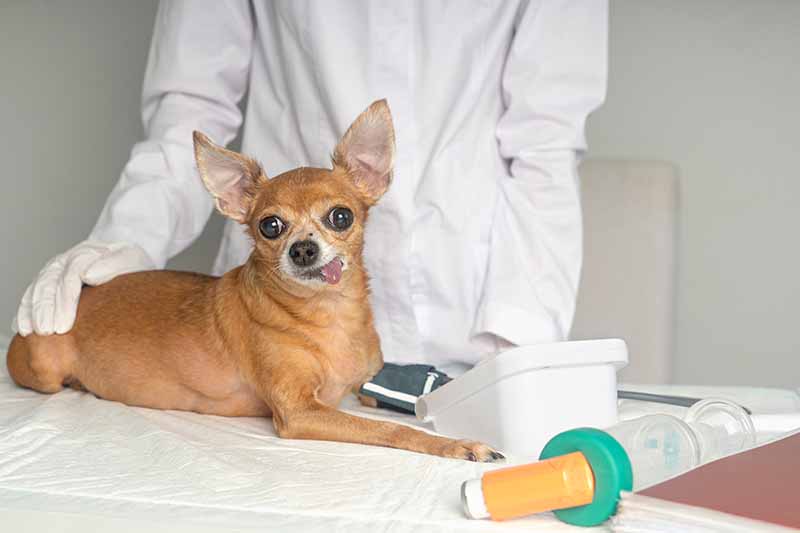
Dog vestibular disease recovery time is one of the first concerns many pet owners have after their dog suddenly develops balance problems, head tilting, or dizziness. The condition can appear frightening, but in many cases, it improves with time and supportive care.
Vestibular disease affects a dog’s balance system, which includes parts of the inner ear and brain. According to veterinary experts and research cited by organizations like the American Veterinary Medical Association, many dogs recover well, especially when the condition is idiopathic (meaning the exact cause is unknown).
This guide explains how long recovery may take, what symptoms may improve first, and what pet owners can do to support healing.
What Is Vestibular Disease in Dogs?
Vestibular disease affects the system responsible for balance and spatial orientation.
When this system is disrupted, dogs may suddenly show symptoms that resemble a stroke. However, vestibular disease is usually different and often less severe.
Common symptoms include:
- Sudden loss of balance
- Head tilt
- Walking in circles
- Falling or rolling
- Rapid eye movement (nystagmus)
- Nausea or vomiting
These symptoms often appear quickly, sometimes within a few hours.
Veterinary neurologists describe the condition as either:
- Peripheral vestibular disease – affecting the inner ear
- Central vestibular disease – affecting the brain
The type of condition may affect a dog’s vestibular disease recovery time.
Can Old Dogs Recover From Vestibular Disease? Click Here to Learn More
Dog Vestibular Disease Recovery Time: Typical Timeline
Many dogs begin to improve within a few days.
Veterinary studies and clinical observations suggest the following general timeline.
First 24–72 Hours
Symptoms are usually most intense during the first few days.
Dogs may:
- Be unable to stand
- Fall frequently
- Show severe head tilt
- Experience nausea
Veterinarians often provide medications to reduce nausea and improve comfort.
Dogs May Turn Out to Be Better Friends Than People – Learn More
Days 3–7
Many dogs start showing noticeable improvement.
Possible changes include:
- Better ability to stand
- Reduced dizziness
- Less vomiting
- Slight improvement in walking
Supportive care during this stage may help dogs regain strength and coordination.
Learn more about how to beat Dog Amalgamate Undertale.
Weeks 2–3
For many dogs, this stage brings significant recovery.
They may:
- Walk more normally
- Eat and drink without assistance
- Show improved balance
However, a mild head tilt may remain in some cases.
Veterinary neurologists report that many dogs regain normal function within two to three weeks.
Click here to learn more about how to Protect Your Dog from Air Pollution.
One Month and Beyond
Some dogs recover fully within about three to four weeks.
Others may continue to improve gradually over a longer period.
A small number of dogs may experience:
- Permanent mild head tilt
- Slight coordination changes
Even with these signs, many dogs return to a normal quality of life.
Learn more about How My Dogs Welcome Us Home here.
Factors That Affect Dog Vestibular Disease Recovery Time
Not every dog recovers at the same pace.
Several factors may influence dog vestibular disease recovery time.
1. Underlying Cause
Idiopathic vestibular disease often improves faster.
Other causes may require longer treatment, including:
- Ear infections
- Inflammation
- Tumors
- Brain disease
Veterinarians may recommend imaging or testing to rule out these conditions.
Click here to learn more about Dog Understands Sentences.
2. Age of the Dog
Vestibular disease is often called “old dog vestibular syndrome.”
Older dogs may:
- Take slightly longer to recover
- Need more support with mobility
However, many senior dogs still recover well.
Learn more about Complete Obedience Dog Training: A Comprehensive Guide.
3. Severity of Symptoms
Dogs with milder symptoms may recover faster.
Severe balance problems or persistent vomiting may require more time and veterinary care.
4. Early Veterinary Care
Prompt evaluation may help identify treatable causes.
Veterinarians may prescribe medications such as:
- Anti-nausea drugs
- Anti-inflammatory medications
- Antibiotics if infection is present
Early treatment may support faster improvement.
Good Dog Home Obedience Training: A Comprehensive Guide – Learn More
How Veterinarians Diagnose Vestibular Disease
Diagnosis usually involves a physical and neurological exam.
A veterinarian may check:
- Eye movement
- Ear health
- Balance and coordination
- Reflexes
Additional tests may include:
- Blood tests
- Ear examinations
- Imaging, such as MRI or CT scans
According to guidance from veterinary research institutions and references cited by the National Institutes of Health, neurological symptoms should always be evaluated to rule out serious causes.
How to Replace Electrolytes in Dogs – Learn More
How to Help a Dog Recover at Home
Home care plays an important role during recovery.
Pet owners may help dogs feel safer and more comfortable.
1. Create a Safe Environment
Dogs with balance problems may fall easily.
Helpful steps include:
- Use non-slip mats
- Block access to the stairs
- Keep bedding close to food and water
Learn more about Free Dog Obedience Training at Home.
2. Assist With Eating and Drinking
Some dogs feel too dizzy to reach bowls.
You may help by:
- Raising bowls slightly
- Hand-feeding small portions
- Offering fresh water frequently
3. Support Movement
Short, gentle walks may help dogs regain coordination.
However, avoid forcing movement if the dog appears stressed or unstable.
A harness may provide extra support when walking.
Click here to learn more about the Dog Washing Frequency Chart.
4. Monitor Symptoms
Contact a veterinarian if symptoms worsen or new signs appear.
Watch for:
- Persistent vomiting
- Severe lethargy
- Seizures
- Lack of improvement after several days
These signs may require further evaluation.
Learn more about Low Electrolytes Treatment in Dogs here.
When to See a Veterinarian
Sudden balance problems should always be checked by a professional.
Some conditions that can mimic vestibular disease include:
- Stroke
- Brain inflammation
- Ear infections
- Tumors
Veterinarians can determine the most likely cause and recommend treatment.
This step may also help clarify the dog vestibular disease recovery time for each case.
Click here to learn more about how to Get My Dog Certified Emotional.
Emotional Support for Pet Owners
Seeing a dog lose balance or fall repeatedly can be distressing.
Many pet owners worry that their dog is suffering from a stroke or severe brain disease.
However, veterinary reports suggest that many dogs improve significantly within days to weeks.
Patience, calm care, and veterinary guidance may help dogs regain stability and comfort.
Do Dogs Know When You’re In Pain? Click Here to Learn More
A Word from GetMe Treated
Vestibular disease in dogs can appear suddenly and look alarming. Symptoms such as head tilt, dizziness, and loss of balance often develop quickly.
However, the dog vestibular disease recovery time for many dogs is relatively short.
Typical recovery patterns include:
- Severe symptoms during the first 24–72 hours
- Noticeable improvement within one week
- Major recovery in 2–3 weeks
- Possible mild head tilt that may remain
Early veterinary evaluation and supportive care at home may help dogs recover safely.
Most importantly, many dogs return to a happy and active life after this condition.
Learn more about How To Protect My Dog From Sunburn.
FAQs About Dog Vestibular Disease Recovery Time
How long does dog vestibular disease usually last?
Many dogs begin improving within a few days and recover significantly within two to three weeks. Some mild symptoms may last longer.
Can dogs fully recover from vestibular disease?
Yes. Many dogs recover completely, especially when the condition is idiopathic. Some may keep a slight head tilt but still live normally.
Is vestibular disease painful for dogs?
The condition itself is usually not painful. However, dogs may feel dizzy or nauseated during the early stages.
Should I walk my dog during recovery?
Short, supervised walks may help some dogs regain balance. A harness and non-slip surfaces may provide extra support.
Can vestibular disease come back?
Recurrence is possible but not common. If symptoms return, a veterinarian should evaluate the dog again.
When should I worry about vestibular disease symptoms?
Seek veterinary care immediately if symptoms appear suddenly, worsen quickly, or include seizures, severe lethargy, or ongoing vomiting.