

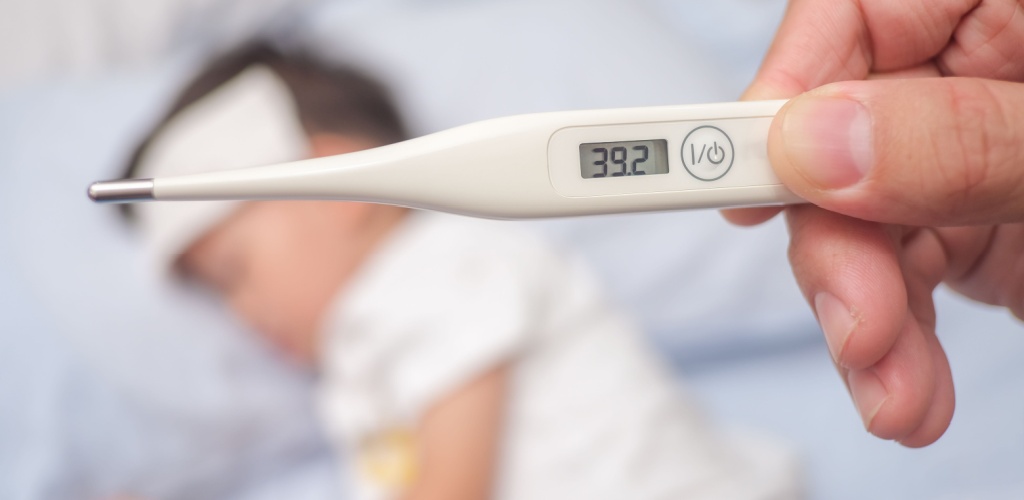
A temp of 39.4 in children can be scary for any parent. This level of fever is considered high and often signals that the body is fighting an infection.
Understanding what this temperature means, how to respond, and when to get medical help can make a big difference for your child’s safety and comfort.
Fever itself is not a disease. It is a natural response by the immune system. Still, a high reading like 39.4°C (102.9°F) should never be ignored, especially in babies and young children.
What Does a Temperature of 39.4 Mean?
A normal body temperature for children usually ranges from 36.5°C to 37.5°C. Anything above 38°C is considered a fever. When the temperature reaches 39.4°C, it is classified as a high fever.
A temp of 39.4 in children often means the body is reacting to something more serious than a mild cold. Common causes include viral infections such as flu, COVID-19, or RSV. Bacterial infections like ear infections, pneumonia, or urinary tract infections may also be responsible.
According to research published by the National Institutes of Health (NIH), the height of a fever does not always correlate with a child’s level of illness, but higher temperatures warrant closer attention.
My Child Has a Temperature of 40 – Learn More
Common Symptoms That May Appear
Children with a high fever may exhibit a range of symptoms. These can vary by age and cause.
Common signs include:
- Hot skin or chills
- Fatigue or weakness
- Loss of appetite
- Headache or body aches
- Irritability or crying more than usual
- Faster breathing or heart rate
Some children may also have vomiting, diarrhea, a sore throat, or a rash. If your child seems confused, very sleepy, or hard to wake, this is a warning sign.
Learn more about the temperature of 39.6 in Children.
Is a Temp of 39.4 Dangerous?
In most cases, fever itself does not cause harm. The main risk comes from dehydration, seizures in younger children, or the illness behind the fever.
A temp of 39.4 in children can increase the chance of a febrile seizure in toddlers between 6 months and 5 years old. These seizures are usually short and do not cause long-term damage, but they are frightening and need medical review.
Research published by the Centers for Disease Control and Prevention states that persistent high fever may signal serious infections that require treatment.
Click here to learn more about a toddler with a temperature of 39.
What You Can Do at Home
If your child has a high fever but is alert and drinking fluids, home care may help lower discomfort.
Helpful steps include:
- Offer water, breast milk, or electrolyte drinks often
- Dress the child in light clothing
- Keep the room cool and comfortable
- Use fever-reducing medicine like acetaminophen or ibuprofen, following age and weight guidelines
Do not give aspirin to children, as it is linked to Reye’s syndrome, according to the Therapeutic Goods Administration (TGA).
Avoid cold baths or ice packs, as these can cause shivering and raise body temperature instead of lowering it.
Learn more about My Child Has a Temperature of 39.
When to See a Doctor
You should contact a doctor right away if:
- Your child is under 3 months old with a fever
- Fever lasts more than 48 hours
- The child has trouble breathing
- There is a stiff neck, severe headache, or rash
- Your child is not drinking or urinating normally
- Seizures occur
A temp of 39.4 in children that does not improve with medication should always be evaluated by a healthcare professional.
Taking Cat’s Temperature Under the Armpit – Learn More
What to Expect During Your Visit
During the appointment, the doctor will ask about symptoms, medical history, and recent exposures. A physical exam will be done to check the ears, throat, lungs, and skin.
Depending on findings, the doctor may order tests such as:
- Blood tests
- Urine tests
- Throat swab
- Chest X-ray
Treatment depends on the cause. Viral infections usually need rest and fluids. Bacterial infections may require antibiotics. The goal is to treat the illness, not just lower the fever.
Learn more about How To Check Your Dog’s Temperature.
Prevention Tips
Not all fevers can be prevented, but good habits reduce risk:
- Keep vaccines up to date
- Encourage frequent hand washing
- Avoid close contact with sick people
- Clean shared toys and surfaces
The World Health Organization highlights vaccination as one of the most effective ways to prevent serious childhood infections that cause high fever.
Learn more about Food Pooping: Eating Habits That Affect Digestion.
A Word from GetMe Treated
A temp of 39.4 in children is a sign that the body is working hard to fight illness. Most cases improve with proper care, fluids, and rest. Paying attention to warning signs and knowing when to seek help can protect your child and bring peace of mind.
Medical guidance from trusted sources like the American Academy of Pediatrics, Centers for Disease Control and Prevention, and World Health Organization supports careful monitoring and timely care for high fevers in children.
Why is Mango So Sweet in the Philippines? Click Here to Learn More
FAQs About Temp of 39.4 in Children
Is 39.4°C too high for a child?
Yes, it is considered a high fever and should be monitored closely.
Can teething cause this level of fever?
No, teething usually causes only a slight temperature increase.
Should I wake my child to give fever medicine?
If the child is sleeping comfortably, it is usually okay to let them rest.
Can fever cause brain damage?
Fever from infection does not cause brain damage. Heatstroke is different.
How often should I check the temperature?
Every 4 to 6 hours is usually enough unless symptoms worsen.
When should I go to the ER?
Go if your child has trouble breathing, seizures, or becomes unresponsive.