

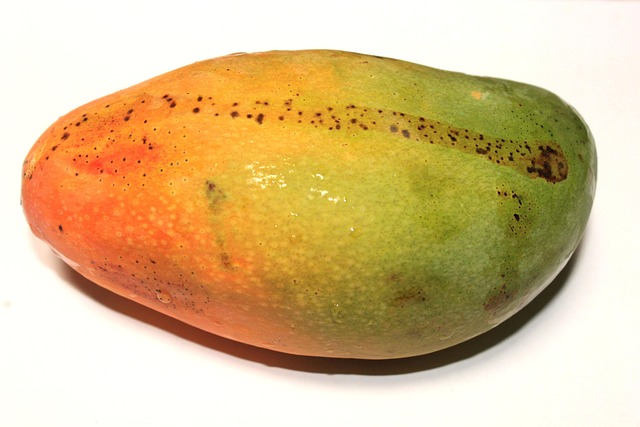
Mangoes are one of the most beloved fruits in the world, but Filipino mangoes are especially famous for their intense sweetness and rich flavor.
Many people wonder: why is mango so sweet in the Philippines? The answer lies in a combination of climate, soil, farming techniques, and mango varieties.
Understanding these factors can give insight into why the Philippines produces some of the sweetest mangoes on the planet.
The Role of Climate
The Philippines is located in Southeast Asia, which provides a tropical climate ideal for growing mangoes. Mango trees thrive in warm weather with plenty of sunlight.
According to the Philippine Department of Agriculture, mangoes require long, dry seasons to develop their natural sugars.
The high temperatures and long daylight hours in the Philippines allow the fruit to ripen fully, producing a naturally sweet flavor.
Rainfall also affects mango sweetness. Mango trees need a dry period before flowering and fruiting. The Philippine dry season, which occurs from November to May, is perfect for this process.
During these months, the mango trees concentrate sugars in their fruits, making them extra sweet.
Why is Mango the Philippine National Fruit? Click Here to Learn More
Soil and Environment
Soil quality in the Philippines is another reason why mangoes are so sweet. Many mango-growing regions, such as Guimaras and Zambales, have sandy loam soil, which drains well and prevents waterlogging.
Well-drained soil encourages the tree to focus its energy on fruit production rather than just survival.
Research by the Philippine Council for Agriculture, Aquatic and Natural Resources (PCAARRD) shows that nutrient-rich soil, combined with proper irrigation techniques, allows mango trees to produce fruits with higher sugar content.
The combination of the right minerals, pH level, and soil texture in these regions makes Filipino mangoes taste naturally sweeter than mangoes grown in other countries.
The Importance of Mango in the Philippines – Learn More
Mango Varieties Matter
Not all mangoes are equally sweet. In the Philippines, the most popular variety is the Carabao mango, also known as the Manila mango.
This variety has a high sugar content compared to other mango types, sometimes reaching up to 18% sugar. The Carabao mango is soft, juicy, and intensely sweet when fully ripe.
Farmers carefully select seeds and graft mango trees to maintain the sweetness and quality of the fruit. This method ensures that the next generation of mangoes keeps the same natural sweetness that has made Filipino mangoes famous worldwide.
Is Mango Good For Diabetes Type 2 Diabetes? Click Here to Learn More
Traditional Farming Techniques
Philippine mango farmers often use traditional farming methods that also enhance sweetness. Techniques such as pruning, fruit thinning, and controlled irrigation help the tree focus on producing fewer but sweeter fruits.
Instead of large quantities of smaller, less flavorful mangoes, these methods allow the tree to concentrate energy and nutrients on fewer fruits, increasing their sugar levels.
Additionally, mangoes in the Philippines are usually harvested when they are mature but still slightly green. This allows them to ripen slowly off the tree, developing even more sweetness and a rich aroma.
This careful approach to harvesting is different from some commercial farms in other countries that pick fruits too early, resulting in less sweet mangoes.
Learn more about Why Can’t Fruit Be Compared.
Mango Sweetness and International Recognition
The sweetness of Filipino mangoes has not gone unnoticed. They are regularly exported to countries like the United States, Japan, and South Korea, where they are prized for their unique flavor.
According to a case study of Nueva Ecija, the combination of climate, soil, mango variety, and traditional farming practices makes Philippine mangoes among the sweetest mangoes in the world.
Moreover, Filipino mangoes have been recognized for their quality in international fruit competitions. This recognition not only celebrates their sweetness but also supports local farmers and boosts the economy.
Click here to learn more about Fruits Not to Eat on an Empty Stomach.
A Word from GetMe Treated
So why is mango so sweet in the Philippines? It is the perfect mix of tropical climate, nutrient-rich soil, traditional farming techniques, and the naturally sweet Carabao mango variety.
Filipino farmers take great care in cultivating, harvesting, and handling their mangoes, ensuring that the fruit reaches peak sweetness when it gets to consumers.
This combination of natural conditions and human expertise makes the Philippines a top producer of some of the sweetest mangoes on the planet.
By understanding these factors, we can appreciate why Filipino mangoes are more than just a fruit; they are a symbol of careful cultivation, natural abundance, and rich flavor that few other countries can match.
Banana Mango Avocado Smoothie – Learn More
FAQs About Why is Mango So Sweet in the Philippines
What makes Filipino mangoes sweeter than other mangoes?
Filipino mangoes are sweeter due to the tropical climate, nutrient-rich soil, and the Carabao mango variety that naturally has higher sugar content.
Which is the sweetest mango variety in the Philippines?
The Carabao mango, also known as the Manila mango, is considered the sweetest and most popular variety.
Does the soil affect mango sweetness?
Yes. Sandy loam soil in mango-growing regions of the Philippines helps the trees produce sweeter fruits.
How does climate impact mango sweetness?
Warm temperatures, long daylight hours, and a dry season allow mango trees to develop natural sugars in the fruit.
Do farming techniques influence mango taste?
Absolutely. Techniques like pruning, fruit thinning, and controlled irrigation help produce fewer but sweeter mangoes.
Can mangoes become sweeter after harvesting?
Yes. Harvesting slightly green mangoes and allowing them to ripen slowly off the tree enhances their sweetness and flavor.