

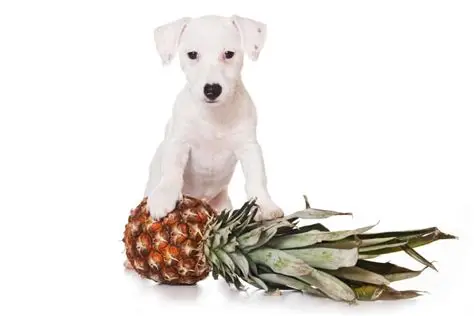
If you’ve caught your dog chewing pineapple plant, you may be wondering if it’s dangerous. It’s normal to feel concerned when your pet eats something unusual.
The good news is that pineapple plants are not considered highly toxic to dogs. However, they can still cause irritation or stomach upset.
This article explains what may happen, what signs to watch for, and when to call your veterinarian.
What Is a Pineapple Plant?
The pineapple plant, known scientifically as Ananas comosus, is a tropical plant. It has long, stiff, pointed leaves and produces the pineapple fruit.
Many people grow pineapple plants indoors as decorative plants. The leaves are thick and can have sharp edges. These edges may irritate your dog’s mouth.
Can Hypertension Kill a Dog? Click Here to Learn More
Is Dog Chewing Pineapple Plant Dangerous?
In most cases, dog chewing pineapple plant leaves is not life-threatening.
The plant is not listed as highly toxic by major animal poison resources. However, that does not mean it is harmless.
The leaves contain:
- Tough fibers
- Sharp edges
- Mildly irritating plant sap
These features may cause discomfort, especially if your dog chews a large amount.
How Much IV Fluid to Give a Small Dog – Learn More
Possible Side Effects
Most symptoms are mild and temporary. They may include:
1. Mouth Irritation
Your dog may have:
- Drooling
- Pawing at the mouth
- Mild swelling of the lips or gums
This happens because the leaves are sharp and fibrous.
Learn more about the Impact of the Dog Meat Ban in Korea.
2. Stomach Upset
If your dog swallows pieces of the plant, you might notice:
- Vomiting
- Diarrhea
- Reduced appetite
According to veterinary toxicology references and poison control resources, non-toxic plants can still cause digestive upset due to fiber and irritation.
Is Eating Dog Illegal in South Korea? Click Here to Learn More
3. Rare Risk: Blockage
If a large amount is swallowed, thick fibers may be hard to digest. In rare cases, this could contribute to a blockage.
Signs of blockage include:
- Repeated vomiting
- Lethargy
- Abdominal pain
- Not passing stool
This is uncommon but requires urgent veterinary care.
Is Dog Meat a Delicacy in Korea? Click Here to Learn More
Why Dogs Chew Plants
Dogs chew plants for many reasons. It does not always mean they are sick.
Possible causes include:
- Curiosity
- Boredom
- Teething (in puppies)
- Mild stomach discomfort
- Nutritional deficiencies (less common)
According to veterinary behavior experts, chewing on plants is a common behavior in household dogs.
If your dog is frequently chewing on plants, it may help to increase:
- Daily walks
- Mental stimulation
- Safe chew toys
Click here to learn more about how to stop a dog from itching and Scratching.
What To Do If Your Dog Is Chewing Pineapple Plant
If you see your dog chewing pineapple plant, stay calm. Most cases are mild.
Step 1: Remove the Plant
Gently take the plant away. Make sure no large pieces remain in your dog’s mouth.
Step 2: Check the Mouth
Look for:
- Cuts
- Swelling
- Bleeding
If you notice significant swelling or trouble breathing, seek emergency care.
Why Does China Eat Cats and Dogs? Click Here to Learn More
Step 3: Offer Water
Fresh water may help rinse the mouth and soothe irritation.
Step 4: Monitor for 24 Hours
Watch for:
- Vomiting
- Diarrhea
- Low energy
- Refusal to eat
If symptoms are mild and resolve quickly, home monitoring may be enough.
How Many Hot Dogs for 20 People? Click Here to Learn More
When to Call the Vet
Contact your veterinarian if your dog has:
- Ongoing vomiting
- Severe diarrhea
- Abdominal pain
- Signs of choking
- Symptoms lasting more than 24 hours
The American Veterinary Medical Association recommends contacting a professional anytime you are unsure about plant exposure.
You can also contact the ASPCA Animal Poison Control Center for guidance.
Prompt advice may help prevent complications.
How Much Water Should a Large Dog Drink a Day? Click Here to Learn More
Are Pineapple Fruits Safe for Dogs?
The fruit of the pineapple is different from the plant leaves.
Small amounts of fresh pineapple fruit are generally safe for dogs. The fruit contains:
- Vitamin C
- Fiber
- Antioxidants
According to nutrition research published in journals indexed by the National Institutes of Health, pineapple is a good source of beneficial nutrients. However, dogs do not require extra vitamin C because they produce their own.
Too much fruit may cause:
- Diarrhea
- Gas
- High sugar intake
Always remove the tough core and outer skin before offering fruit.
How Much Water Should a Small Dog Drink a Day? Click Here to Learn More
Prevention is often the simplest solution.
Here are some practical steps:
1. Move Plants Out of Reach
Place pineapple plants:
- On high shelves
- In hanging planters
- In rooms your dog cannot access
2. Provide Safe Alternatives
Offer:
- Durable chew toys
- Food puzzle toys
- Frozen treats made for dogs
3. Increase Activity
Daily exercise may reduce boredom-related chewing.
4. Training Support
Basic commands like “leave it” may help prevent plant chewing. Positive reinforcement works best.
Do Americans Eat Dog? Click Here to Learn More
What Do Trusted Health Sources Say?
While pineapple plants are not a major toxic risk, experts recommend caution with any plant ingestion.
The Centers for Disease Control and Prevention notes that plant ingestion can cause irritation or stomach upset in both humans and animals.
The World Health Organization emphasizes safe environmental practices, including keeping potentially irritating plants away from vulnerable populations. Pets fall into this category in the home environment.
Veterinary toxicology guidelines suggest monitoring mild exposures and seeking care if symptoms worsen.
Evidence shows that most plant exposures in dogs result in mild symptoms, not severe poisoning.
What Seemingly Unusual Spot on a Dog’s Body Contains Sweat Glands? Click Here to Learn More
A Word from GetMe Treated
Seeing your dog chewing pineapple plant can be worrying. In most cases, it is not dangerous. The leaves may cause mild mouth irritation or temporary stomach upset.
Serious problems are rare but possible if large amounts are swallowed.
Here’s what to remember:
- Pineapple plants are not highly toxic
- Sharp leaves may irritate the mouth
- Digestive upset is usually mild
- Monitor symptoms for 24 hours
- Call a vet if symptoms are severe or persistent
Keeping plants out of reach and providing safe chew options may help prevent future issues.
If you are ever unsure, contacting your veterinarian is the safest step. Calm observation and prompt care when needed are usually enough.
Dogs May Turn Out to Be Better Friends Than People – Learn More
FAQs About Dog Chewing Pineapple Plant: Is It Safe
Is the pineapple plant toxic to dogs?
No, it is not considered highly toxic. However, it may cause mouth irritation or stomach upset if eaten.
What happens if my dog eats pineapple plant leaves?
Your dog may drool, vomit, or have mild diarrhea. Symptoms are usually temporary.
Should I induce vomiting?
No. Do not induce vomiting unless a veterinarian specifically instructs you to do so.
How long do symptoms last?
Mild symptoms often improve within 24 hours. If they continue, contact your vet.
Can puppies chew pineapple plants?
Puppies are more likely to chew due to teething. It’s best to keep plants out of reach to prevent irritation.
Can I give my dog pineapple fruit instead?
Yes, small amounts of fresh pineapple fruit may be safe. Remove the skin and core, and avoid canned pineapple with added sugar.