

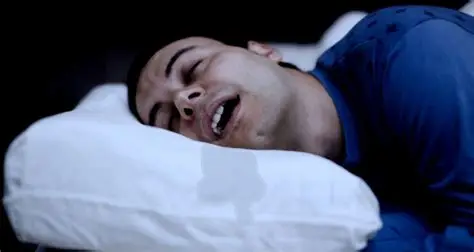
Waking up and finding saliva on your pillow can feel awkward, but it’s far more common than most people think. Many people experience drooling during sleep at different stages of life.
According to science, saliva coming out while sleeping is usually a normal bodily response related to muscle relaxation, sleep stages, and breathing patterns. In most cases, it is not a sign of a serious health issue.
Researchers who study sleep behavior and oral health agree that nighttime drooling is often linked to how the body naturally functions during rest.
Why We Yawn When We Are Sleepy or Drowsy – Learn More
What Science Says About Sleep and Muscle Relaxation
During sleep, the body enters a state of rest and recovery. Research discussed by the American Academy of Sleep Medicine explains that muscle tone throughout the body decreases significantly during deep sleep.
This includes:
- Facial muscles
- Jaw muscles
- Muscles involved in swallowing
As these muscles relax, swallowing happens less often, allowing saliva to build up and sometimes escape from the mouth.
The Role of Sleep Stages
Studies associated with Harvard Medical School show that the body moves through different sleep stages each night, including light sleep, deep sleep, and REM sleep.
In deeper stages of sleep:
- The brain is less responsive
- The swallowing reflex slows down
- Jaw muscles loosen
This combination increases the chance of drooling, especially for deep sleepers.
Why Am I Feeling Exhausted and Sleepy All the Time? Click Here to Learn More
Main Scientific Reasons Saliva Comes Out While Sleeping
1. Sleeping Position
Research highlighted by the Sleep Research Society shows that sleeping position plays a major role.
- Side and stomach sleepers drool more often
- Gravity allows saliva to flow out of the mouth
- Back sleepers are less affected
2. Mouth Breathing During Sleep
According to findings referenced by the American Academy of Otolaryngology, mouth breathing during sleep increases drooling.
This can be caused by:
- Nasal congestion
- Allergies
- Sinus issues
- Temporary colds
Why Do I Want to Sleep All the Time and Have No Energy? Click Here to Learn More
3. Natural Saliva Production
Research cited by the International Association for Dental Research shows that saliva production differs from person to person.
Some people naturally produce more saliva, even during rest. This variation is usually linked to genetics and hydration levels.
4. Stress and Extreme Fatigue
Sleep studies conducted by institutions such as Stanford Sleep Medicine suggest that stress and exhaustion can push the body into deeper sleep faster.
- Deeper sleep means:
- More muscle relaxation
- Less swallowing
- Increased chances of drooling
5. Sleep Quality and Long Sleep Duration
According to the National Sleep Foundation, people who experience longer periods of deep sleep may notice more muscle relaxation overall, including in the jaw and face.
In some cases, drooling may simply indicate that the body is getting quality rest.
Is Drooling While Sleeping Normal?
Medical reviews published in journals associated with the Mayo Clinic Proceedings indicate that occasional drooling during sleep is considered normal.
It may be worth seeking professional advice if drooling is:
- Sudden and excessive
- Accompanied by difficulty swallowing
- Linked with breathing or neurological symptoms
Why Do I Feel Sleepy All the Time, Even When I Get Enough Sleep? Click Here to Learn More
Simple, Science-Backed Ways to Reduce Drooling
These are general lifestyle suggestions often mentioned in sleep research discussions:
- Try sleeping on your back
- Stay hydrated throughout the day
- Keep nasal passages clear before bedtime
- Use a pillow that supports proper head alignment
- Maintain a consistent sleep schedule
When to See a Doctor
You should talk to a doctor if you drool during sleep:
- Starts suddenly without a clear reason
- Happens often and is very heavy
- Gets worse over time
- Comes with trouble swallowing
- Causes choking or frequent coughing at night
- It is linked with speech problems or facial weakness
- Occurs with breathing problems during sleep
These signs may point to an issue with the nerves, muscles, or airway and should be checked by a healthcare professional.
Click here to learn more about Benefits Of Sleeping With Garlic Under Pillow.
What to Expect During Your Visit
At your appointment, the doctor may:
- Ask about how often drooling happens
- Talk with you about your sleep position and sleep quality
- Ask if you breathe through your mouth at night
- Review allergies, sinus issues, or recent illnesses
- Check your mouth, throat, and nose
- Review medications you are taking
If needed, the doctor may suggest:
- A sleep study
- Allergy treatment
- A referral to a sleep or ENT specialist
This helps find the cause and decide the best next steps.
A Word from GetMe Treated
According to science, saliva coming out while sleeping is usually a natural result of deep sleep, muscle relaxation, and breathing patterns.
While it may feel uncomfortable, it is often a normal sign that the body is resting and recovering.
This article is for informational purposes only.
Recommended Reading:
- Why Should Men Drink Olive Oil Before Going To Sleep? Click Here to Learn More
- Is Sleeping On Your Right Side Bad For Your Heart? Click Here to Learn More
- Is It Healthy To Sleep During The Day And Be Awake During Night? Click Here to Learn More
- Is It Dangerous To Sleep With Your Cell Phone? Click Here to Learn More
- Learn more about 5 Reasons Why People Die When Sleeping.
FAQs About Why Saliva Coming Out While Sleeping According To Science
Is drooling while sleeping normal?
Yes. Occasional drooling during sleep is common and usually harmless.
Does sleeping position affect drooling?
Yes. Side and stomach sleeping make drooling more likely due to gravity.
Can deep sleep cause drooling?
Yes. Deep sleep relaxes facial muscles and slows swallowing.
Why do some people drool more than others?
Saliva production naturally varies from person to person.
Can stress or tiredness increase drooling?
Yes. Stress and fatigue can increase muscle relaxation during sleep.
When should drooling during sleep be a concern?
If it is sudden, excessive, or comes with other symptoms.