

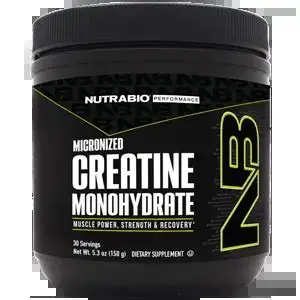
Many Americans rely on creatine monohydrate consumer reports to decide which supplement is worth buying.
These reports are designed to review products using testing data, label accuracy, manufacturing standards, and real consumer experiences. Instead of marketing claims, they focus on evidence.
This article looks only at creatine monohydrate consumer-style reports, how they are structured, what they usually find, and what buyers should understand before choosing a product.
What Creatine Monohydrate Consumer Reports Are
Creatine monohydrate consumer reports are independent or semi-independent evaluations of supplements sold to the public. They are not advertisements. Their purpose is to measure quality, safety, and honesty in labeling.
These reports often review popular creatine monohydrate powders sold online and in stores across the United States.
Products are compared using lab analysis and consumer feedback. The goal is to answer simple questions: Is the product pure? Does it match the label? Is it safe to use?
Because creatine monohydrate is widely studied, reports usually compare products against well-established scientific standards rather than trends.
Zlem Weight Loss Reviews – Learn More
How These Reports Test Creatine Monohydrate
Most creatine monohydrate consumer reports rely on three main evaluation areas.
1. Purity testing
Labs test whether the powder contains close to 100% creatine monohydrate. Lower scores are given if fillers, sugars, or unknown compounds are found. High-quality products usually test at 99% purity or higher.
2. Label accuracy
Reports check if the serving size and dosage on the label match the actual content. Mislabeled products are flagged, especially if the creatine amount is lower than claimed.
Click here to learn more about weight loss pills, Walmart reviews
3. Contaminant screening
Heavy metals, banned substances, and harmful residues are tested. Products failing safety thresholds are rated poorly or removed from recommendations.
These testing methods are often aligned with standards discussed by organizations such as the International Society of Sports Nutrition.
Learn more about Pure Taboo Tea weight loss reviews.
Common Findings in Consumer Reports
Across many reviews, results are often consistent.
Most plain creatine monohydrate powders score well for purity. Since creatine monohydrate is inexpensive to produce, there is little reason for reputable companies to dilute it. Problems usually appear in flavored or blended products.
Another common finding is that price does not always equal quality. Some low-cost brands perform just as well as premium-priced ones. Reports often highlight that simple formulas outperform complex blends with added ingredients.
Digestive tolerance is also mentioned. Micronized creatine powders receive higher consumer ratings because they dissolve better and cause fewer stomach complaints.
Girnar Detox Desi Kahwa Green Tea Review – Learn More
Scientific Standards Used in Reports
Consumer reports often reference existing research when setting quality benchmarks. Studies published in the Journal of the International Society of Sports Nutrition are commonly cited to define effective dosages and expected outcomes.
Research by RB. Kreider, M. Ferreira, and M. Wilson are frequently used to confirm that creatine monohydrate supports strength and lean mass when combined with resistance training. Dr. B. Brabham’s work is also referenced to support long-term safety in healthy adults.
These scientific names help reports separate proven creatine monohydrate from newer forms that lack strong evidence.
RELATED: Teatox Reviews Consumer Reports
Consumer Feedback and Real-World Use
Beyond lab data, creatine monohydrate consumer reports include user feedback. Consumers often report improved workout performance within a few weeks. Strength gains and better recovery are the most common benefits mentioned.
Negative feedback usually focuses on mixing issues or mild bloating. Reports note that these issues decrease when users lower the dose or switch to micronized powder.
Very few reports document serious side effects. When they do, the cases often involve excessive dosing or pre-existing medical conditions.
Liquid IV Reviews by Doctors – Learn More
Red Flags Identified in Reports
Consumer reports also warn buyers about warning signs.
Products that do not list a full ingredient breakdown are rated poorly. Claims of “instant muscle growth” or “hormone boosting” are flagged as misleading.
Reports also downgrade brands that do not disclose manufacturing locations or quality standards, such as Good Manufacturing Practices. Transparency plays a large role in overall scoring.
Learn more about Neutrogena reviews and consumer reports.
What Consumer Reports Recommends
Based on testing and feedback, most reports recommend:
- Single-ingredient creatine monohydrate
- Third-party or independent testing
- Clear dosage instructions
- No unnecessary additives
They also emphasize that consistent daily use matters more than loading phases or timing strategies.
Are Neutrogena Products Worth a Second Look? Click Here to Learn More
Why These Reports Matter
Creatine monohydrate is effective, but quality still matters. Creatine monohydrate consumer reports help buyers avoid poor manufacturing, inaccurate labels, and wasted money. They also reinforce that the most researched form of creatine remains the most reliable.
By focusing on testing instead of hype, these reports align consumer decisions with science rather than trends.
RELATED: Pechoin Skincare Reviews
FAQs About Creatine Monohydrate Consumer Reports
Are creatine monohydrate consumer reports reliable?
They are useful when based on lab testing and transparent methods.
Do reports favor expensive brands?
No, many low-cost products score just as high.
What purity level do reports prefer?
Most recommend products testing at 99% or higher purity.
Are flavored creatine products rated lower?
Often yes, due to added ingredients and lower purity.
Do reports confirm creatine safety?
Yes, using research from the ISSN and experts, such as Dr. Kreider.
How often are products retested?
This depends on the organization, but many update results annually.