

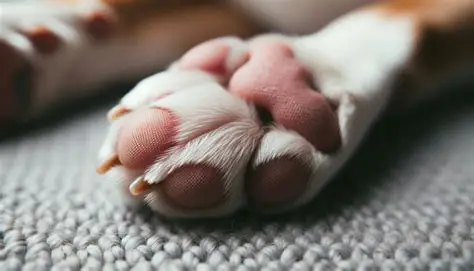
Dog paw pad sweat glands may seem like a small detail, but they play an important role in your dog’s health and comfort. Many pet owners notice damp paw prints or slightly moist pads and wonder if this is normal.
The good news is that dog paw pad sweat glands are a natural part of your dog’s body. They help regulate temperature and can even reflect how your dog is feeling.
This guide explains how these glands work, why they matter, and when you might need to pay attention.
What Are Dog Paw Pad Sweat Glands?
Dog paw pad sweat glands are tiny structures located in your dog’s foot pads. Unlike humans, dogs do not sweat through most of their skin.
Instead, dogs mainly sweat through:
- Their paw pads
- Their noses (to a small extent)
These glands are called merocrine sweat glands. They release moisture directly onto the skin surface.
EXPLORE: Dogs May Turn Out to Be Better Friends Than People
Why Do Dogs Have Sweat Glands in Their Paw Pads?
Dog paw pad sweat glands serve a few key purposes. They may not cool your dog as much as human sweating does, but they still help.
1. Temperature Regulation
Dogs mainly cool themselves by panting. However, dog paw pad sweat glands provide a small amount of cooling.
- Moisture evaporates from the paw pads
- This may help reduce body heat slightly
- It supports the overall cooling system
According to the American Kennel Club (AKC), panting is the primary cooling method, while paw sweating plays a minor role.
How Many Hot Dogs for 30 People? Click Here to Learn More
2. Traction and Grip
Moist paw pads improve your dog’s ability to walk and run.
- Slight moisture increases friction
- This helps prevent slipping
- It supports movement on smooth surfaces
This function is especially useful on tile, hardwood, or wet ground.
What Seemingly Unusual Spot on a Dog’s Body Contains Sweat Glands? Click Here to Learn More
3. Stress and Emotional Response
Dog paw pad sweat glands may become more active when a dog is nervous.
You might notice:
- Damp paw prints at the vet
- Moist paws during travel
- Sweaty pads during loud noises
This is similar to how humans sweat when anxious.
Studies in animal behavior suggest that stress can activate sweat glands in dogs, especially in unfamiliar environments.
Do Americans Eat Dog? Click Here to Learn More
How Dog Paw Pad Sweat Glands Work
Dog paw pad sweat glands are controlled by the nervous system.
Here’s how the process works:
- The brain detects heat or stress
- Nerves send signals to the glands
- Glands release moisture onto the pads
- Moisture evaporates or stays on the surface
This process is automatic. Your dog does not control it consciously.
How Much Water Should a Small Dog Drink a Day? Click Here to Learn More
Do All Dogs Sweat Through Their Paw Pads?
Yes, all dogs have paw pad sweat glands, but the amount of sweating can vary.
Factors that affect sweating include:
- Breed
- Size
- Activity level
- Environment (heat or humidity)
- Stress levels
For example:
- Active dogs may sweat more during exercise
- Nervous dogs may show more paw moisture in new situations
How Much Water Should a Large Dog Drink a Day? Click Here to Learn More
Signs of Normal Paw Pad Sweating
Dog paw pad sweat glands usually produce small amounts of moisture. This is completely normal.
Common signs include:
- Light dampness on paw pads
- Faint paw prints on floors
- Slight moisture during warm weather
- Temporary sweating during stress
These signs are typically harmless.
How Many Hot Dogs for 150 People? Click Here to Learn More
When Sweaty Paw Pads May Need Attention
While dog paw pad sweat glands are normal, certain changes may need a closer look.
1. Excessive Sweating
If your dog’s paws are constantly wet, it may be worth checking.
Possible causes include:
- Anxiety
- Heat exposure
- Overexertion
2. Unusual Odor
Sweat itself does not smell strongly. However, bacteria can grow in moist areas.
Watch for:
- Strong or unpleasant odor
- Sticky or slimy pads
This may suggest a mild infection.
How Many Hot Dogs for 20 People? Click Here to Learn More
3. Redness or Irritation
Healthy paw pads should look smooth and firm.
Signs of irritation include:
- Red or inflamed skin
- Cracks or peeling
- Sensitivity when walking
These symptoms may be linked to:
- Allergies
- Infections
- Environmental irritants
Why Does China Eat Cats and Dogs? Click Here to Learn More
4. Excess Licking of Paws
Dogs often lick their paws when something feels off.
Frequent licking may indicate:
- Irritation
- Infection
- Stress-related behavior
According to veterinary guidance, persistent licking should be checked by a professional.
How to Stop a Dog From Itching and Scratching – Learn More
How to Care for Your Dog’s Paw Pads
Taking care of dog paw pad sweat glands means keeping the entire paw area healthy.
Daily Care Tips
- Check paws after walks
- Wipe away dirt and debris
- Keep nails trimmed
- Dry paws if very wet
Is Dr. Marty’s Dog Food a Scam? Click Here to Learn More
Keep Paw Pads Clean
Moisture can trap bacteria.
Helpful steps:
- Gently clean paws with a damp cloth
- Dry thoroughly after cleaning
- Avoid harsh soaps
Learn more about Fluid Treatment for Critically Ill Dogs.
Protect Against Heat
Hot surfaces can affect paw pads.
- Avoid walking on hot pavement
- Walk early morning or evening
- Test surfaces with your hand
The CDC advises avoiding extreme heat exposure for pets, as it may increase the risk of overheating.
Is Dog Meat a Delicacy in Korea? Click Here to Learn More
Moisturize When Needed
Dry or cracked pads can become uncomfortable.
You may:
- Use vet-approved paw balms
- Avoid human lotions (may irritate dogs)
Is Eating Dog Illegal in South Korea? Click Here to Learn More
Can Dogs Overheat Despite Paw Sweating?
Yes, dog paw pad sweat glands do not provide enough cooling on their own.
Dogs mainly rely on:
- Panting
- Shade
- Water intake
According to the World Health Organization (WHO) and veterinary health sources, heat-related illness in animals can develop quickly in hot environments.
Click here to learn more about the Impact of the Dog Meat Ban in Korea.
Signs of Overheating in Dogs
Watch for:
- Heavy panting
- Drooling
- Weakness
- Vomiting
If you notice these signs, move your dog to a cooler area and contact a veterinarian.
Learn more about How Much IV Fluid to give a Small Dog here.
The Science Behind Dog Sweat Glands
Dog paw pad sweat glands are part of a broader system studied in veterinary science.
Types of Sweat Glands in Dogs
Dogs have two main types:
- Merocrine glands
- Found in paw pads
- Help with moisture and cooling
- Apocrine glands
- Found throughout the body
- Linked to scent, not cooling
A 2023 veterinary research review noted that apocrine glands play a role in communication rather than temperature control.
Can Hypertension Kill a Dog? Click Here to Learn More
Emotional Sweating in Dogs
Dog paw pad sweat glands can respond to emotions.
This is similar to human stress sweating.
Situations that may trigger it:
- Vet visits
- Thunderstorms
- Separation from owners
- New environments
This type of sweating is temporary and usually stops once the dog relaxes.
Dog Chewing Pineapple Plant: Is It Safe? Click Here to Learn More
When to See a Veterinarian
Most of the time, dog paw pad sweat glands do not cause problems.
However, you should consider veterinary care if you notice:
- Persistent wet paws
- Strong odor
- Swelling or redness
- Limping
- Bleeding or cracks
A veterinarian can check for:
- Infections
- Allergies
- Skin conditions
Early care may help prevent complications.
Can Old Dogs Recover From Vestibular Disease? Click Here to Learn More
A Word from GetMe Treated
Dog paw pad sweat glands are a normal and helpful part of your dog’s body. They support minor cooling, improve grip, and may respond to stress.
In most cases, slight moisture on your dog’s paws is nothing to worry about. Regular paw care and observation can help keep your dog comfortable.
If you notice unusual changes like a strong odor, irritation, or excessive sweating, it may help to consult a veterinarian.
Learn more about Dog Vestibular Disease Recovery Time.
FAQs About Dog Paw Pad Sweat Glands
Do dog paw pad sweat glands cool dogs effectively?
Not much. Dogs mainly cool themselves by panting. Paw sweating provides only a small amount of cooling.
Why are my dog’s paws always damp?
It may be normal sweating, especially in warm weather or during stress. If it seems excessive, a vet check may help.
Can anxiety cause sweaty paws in dogs?
Yes. Dog paw pad sweat glands can become more active during stress or fear.
Is it normal to see paw prints on the floor?
Yes. Light, damp paw prints are a common sign of normal sweating.
Should I clean my dog’s paws daily?
You can clean them after walks or when they’re dirty. Make sure to dry them well to avoid moisture buildup.
When should I worry about sweaty paws?
Seek veterinary advice if you notice odor, redness, swelling, or constant wetness.