

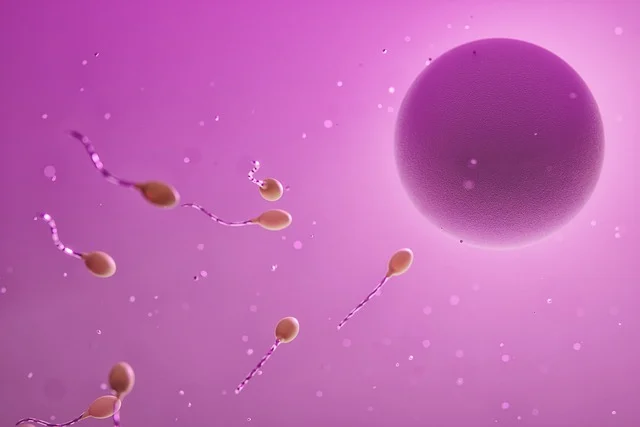
Diet plays an important role in overall health, including reproductive health. While many people focus on vitamins or supplements, everyday food choices may also affect fertility over time. Understanding foods that cause male infertility can help you make informed, balanced decisions.
This topic can be worrying, but there is no need to be afraid. Most foods are safe when eaten in moderation. This guide explains what research says, what to limit, and how to support fertility practically.
How Diet Affects Male Fertility
Male fertility depends on several key factors:
- Sperm count (how many sperm are produced)
- Sperm motility (how well they move)
- Sperm morphology (their shape)
These factors can be influenced by lifestyle habits, including diet, physical activity, and stress levels.
According to the World Health Organization (WHO), infertility affects millions of couples worldwide, and male factors contribute to about 40–50% of cases.
Research suggests that diets high in processed foods, unhealthy fats, and added sugars may reduce sperm quality. On the other hand, balanced diets rich in nutrients may help support reproductive health.
DISCOVER: Contraception After Pregnancy Guidelines
1. Processed Meats
Processed meats include:
- Bacon
- Sausages
- Hot dogs
- Deli meats
These foods are often high in saturated fats, preservatives, and sodium.
A 2023 research review found that men who consumed large amounts of processed meat tended to have lower sperm quality. Some studies suggest these foods may affect sperm shape and movement.
Preservatives such as nitrates may also play a role, although more research is needed.
Contraception: Definition, Advantages, Disadvantages, & 10 Methods of Contraception – Learn more
What to do:
- Limit intake to occasional use
- Choose fresh, unprocessed protein sources like chicken, fish, or beans
2. Trans Fats and Fried Foods
Trans fats are found in:
- Deep-fried foods
- Packaged snacks
- Baked goods made with hydrogenated oils
According to the National Institutes of Health (NIH), trans fats may negatively affect sperm concentration.
A 2023 study reported that higher trans fat intake was linked to lower sperm counts in healthy men.
Fried foods also tend to increase inflammation in the body, which may affect hormone balance.
What to do:
- Replace fried foods with baked or grilled options
- Check labels for “partially hydrogenated oils.”
Learn more about How to Know Your Blood Type at Home
3. Sugary Drinks and Excess Sugar
Foods and drinks high in sugar include:
- Soft drinks
- Energy drinks
- Pastries
- Candy
High sugar intake can lead to weight gain and insulin resistance. These conditions may disrupt hormone levels, including testosterone.
The Centers for Disease Control and Prevention (CDC) notes that obesity is associated with reduced fertility in men.
A 2025 study also found that men who consumed sugary drinks daily had lower sperm motility compared to those who did not.
What to do:
- Drink water, herbal tea, or unsweetened beverages
- Limit added sugars in daily meals
Click here to learn more about How To Do a DNA Test At Home: A Comprehensive Guide
4. Alcohol (Excessive Intake)
Alcohol is widely consumed, but too much may affect reproductive health.
Studies suggest that heavy alcohol use may:
- Lower testosterone levels
- Reduce sperm production
- Affects sperm quality
A 2023 research review found that chronic alcohol consumption was associated with poorer semen parameters.
Moderate drinking may not have a major effect for everyone, but reducing intake can be helpful when trying to conceive.
What to do:
- Limit alcohol to moderate levels
- Consider avoiding alcohol during fertility planning
Learn more about Milk Diet For Rapid Weight Loss (4-Week Diet Plan) here
5. Soy Products (In Excess)
Soy-based foods include:
- Soy milk
- Tofu
- Soybeans
Soy contains phytoestrogens, which are plant compounds that can act like estrogen in the body.
Some studies suggest that very high soy intake may slightly lower sperm concentration. However, results are mixed, and many studies show no significant effect with moderate intake.
A 2024 review concluded that normal dietary soy consumption is generally safe for most men.
What to do:
- Consume soy in moderation
- Avoid excessive intake from multiple sources daily
How To Use Olive Oil To Induce Labor Naturally? Click Here to Learn More
6. High-Mercury Fish
Fish is healthy, but some types contain high levels of mercury.
Examples include:
- Shark
- Swordfish
- King mackerel
Mercury is a heavy metal that may affect the nervous system and reproductive health.
Studies suggest that high mercury exposure may reduce sperm quality and affect hormone function.
Health organizations recommend limiting high-mercury fish, especially when trying to conceive.
What to do:
- Choose low-mercury fish like salmon, sardines, or tilapia
- Eat fish 1–2 times per week
EXPLORE: Balanced Diet Food Time Table For Adults
7. Full-Fat Dairy (In Excess)
Full-fat dairy products include:
Some research suggests that high intake of full-fat dairy may be linked to lower sperm quality.
A 2015 analysis noted that natural hormones present in dairy products might influence reproductive health.
However, findings are not consistent across all studies, and dairy can still be part of a balanced diet.
What to do:
- Consume dairy in moderation
- Consider mixing full-fat and low-fat options
How to Use Cinnamon for Menstrual Cramps – Learn More
8. Foods with Pesticide Residues
Fruits and vegetables are essential for good health, but some may carry pesticide residues.
A 2023 study found that men with higher exposure to pesticides had lower sperm counts and abnormal sperm shapes.
This does not mean avoiding fruits and vegetables. Their benefits are well established.
What to do:
- Wash produce thoroughly
- Peel when appropriate
- Choose organic options when possible
Learn more about People Who Don’t Eat Fruits And Vegetables here.
Other Lifestyle Factors to Consider
While this article focuses on foods that cause male infertility, diet is only one part of the picture.
Other important factors include:
- Smoking
- Lack of physical activity
- Poor sleep
- Chronic stress
According to health experts, combining healthy eating with a balanced lifestyle may improve overall fertility outcomes.
Learn more about How To Have a Balanced Diet Everyday.
What to Eat Instead
Focusing on healthy foods may help support sperm health.
Research suggests the following may be beneficial:
- Fruits and vegetables (rich in antioxidants)
- Whole grains
- Nuts and seeds
- Fish rich in omega-3 fatty acids
- Lean proteins like chicken and legumes
A 2025 review found that diets rich in antioxidants may help protect sperm from damage.
Examples of helpful nutrients include:
These nutrients support sperm development and function.
The Ultimate Lean Protein Diet Menu for Optimal Health – Learn More
When to See a Doctor
It is normal to feel concerned about fertility. If you have been trying to conceive without success, medical advice can help.
Consider seeing a doctor if:
- You have tried for 12 months without success
- You have known health conditions
- You have concerns about hormone levels
A healthcare provider may:
- Recommend semen analysis
- Check hormone levels
- Suggest lifestyle changes
Early evaluation can provide clarity and guidance.
KEEP LEARNING: Best Ways To Reduce Unhealthy Fats In My Diet
A Word from GetMe Treated
Understanding foods that cause male infertility can help you make informed choices without unnecessary stress.
Key takeaways:
- Processed meats and trans fats may lower sperm quality
- Excess sugar and alcohol can affect hormone balance
- High-mercury fish and pesticide exposure may impact fertility
- Moderation is more important than strict avoidance
Healthy eating is one part of a bigger picture. Small, consistent changes may help support reproductive health over time.
Learn more about the best diet for a long life here.
FAQs About Foods That Cause Male Infertility
Can diet alone cause male infertility?
Diet is one factor among many. It may influence sperm quality, but other factors, such as genetics and lifestyle, also play a role.
How quickly can diet changes improve fertility?
Sperm production takes about 2–3 months, so improvements may take time to appear.
Are all processed foods harmful to fertility?
Not all processed foods are harmful. However, frequent consumption of highly processed foods may affect overall health and fertility.
Is it safe to eat soy when trying to conceive?
Yes, moderate soy intake is generally considered safe based on current research.
Should I completely avoid alcohol?
Moderate alcohol intake may not have a strong effect, but reducing or avoiding it may support fertility.
What is the best diet for male fertility?
A balanced diet rich in whole foods, fruits, vegetables, lean proteins, and healthy fats may help support sperm health.