

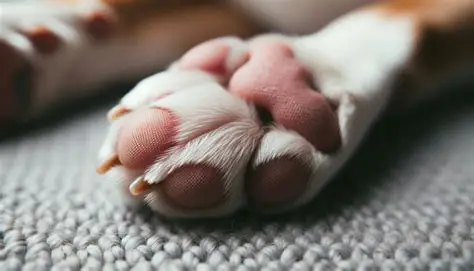
Why do dogs have sweat glands in their paws? It’s a common question many pet owners ask, especially when they notice damp paw prints on the floor.
Dogs do have sweat glands, but they work differently from human sweat glands. Instead of sweating all over their bodies, dogs mainly sweat through their paws. This may help them stay cool and support other important functions.
Understanding how this works can help you better care for your dog, especially in warm weather.
How Dogs Regulate Their Body Temperature
Dogs do not sweat like humans.
Humans have sweat glands across most of the body. Sweating helps cool the skin as moisture evaporates. Dogs, however, rely on other methods.
Main ways dogs cool down:
- Panting (their primary cooling method)
- Limited sweating through paws
- Resting in cool areas
According to veterinary research and sources like the American Kennel Club (AKC), panting allows dogs to release heat through evaporation from the tongue and respiratory tract.
Do Dogs Have Sweat Glands in Their Paws? Click Here to Learn More
What Are Sweat Glands in Dogs?
Dogs have two types of sweat glands:
1. Merocrine glands
- Found in paw pads
- Produce watery sweat
- Help with cooling
2. Apocrine glands
- Found all over the body
- Release scent rather than sweat
- Play a role in communication
The merocrine glands are the ones that explain why do dogs have sweat glands in their paws.
EXPLORE: Fluid Treatment for Critically Ill Dogs
Why Do Dogs Have Sweat Glands in Their Paws?
There are a few key reasons.
1. To Help With Cooling
Dogs don’t sweat much, but paw sweating may help a little.
When a dog is hot, the sweat from their paws can evaporate and slightly reduce body temperature.
This effect is small compared to panting, but it still supports cooling.
Is Dog Meat a Delicacy in Korea? Click Here to Learn More
2. To Improve Grip and Traction
Moist paw pads may help dogs walk and run more safely.
Slightly damp paws can:
- Increase friction on smooth surfaces
- Reduce slipping
- Improve stability when running
This is especially useful for active dogs.
Is Eating Dog Illegal in South Korea? Click Here to Learn More
3. To Leave Scent Marks
Dogs use scent to communicate.
Sweat glands in the paws release chemical signals that other dogs can detect. This helps dogs:
- Mark their territory
- Share information with other dogs
- Recognize familiar paths
This behavior is linked to scent communication, which is important in canine social life.
Learn more about the Impact of the Dog Meat Ban in Korea here.
Do Dogs Sweat Like Humans?
No, they do not.
Humans rely heavily on sweating for cooling. Dogs rely mostly on panting.
According to veterinary experts and organizations like the American Veterinary Medical Association (AVMA):
- Dogs sweat very little compared to humans
- Paw sweating plays a minor role
- Panting is far more effective
So, if you’re wondering again, why do dogs have sweat glands in their paws, the answer is: they help, but they are not the main cooling system.
Learn more about How Much IV Fluid to give a Small Dog.
When Should You Be Concerned?
Sweaty paws are usually normal.
However, some signs may need attention.
Watch for:
- Excessive licking of paws
- Redness or swelling
- Strong odor
- Cracked or damaged pads
These may be signs of:
- Infection
- Allergies
- Skin irritation
If you notice these symptoms, it’s a good idea to speak with a veterinarian.
Can Hypertension Kill a Dog? Click Here to Learn More
How to Help Keep Your Dog Cool
Since dogs sweat less, they need extra support in hot weather.
Simple tips:
- Provide fresh, cool water at all times
- Avoid walking on hot pavement
- Offer shaded or air-conditioned spaces
- Limit exercise during peak heat
- Use cooling mats if needed
According to general heat safety guidance from organizations like the Centers for Disease Control and Prevention (CDC), overheating can be dangerous for animals, just as it is for humans.
Dog Chewing Pineapple Plant: Is It Safe? Click Here to Learn More
Signs of Overheating in Dogs
It’s important to recognize heat stress early.
Common signs:
- Heavy panting
- Drooling
- Weakness or tiredness
- Vomiting
- Rapid heart rate
Heatstroke can be serious. If symptoms are severe, seek veterinary care quickly.
Can Old Dogs Recover From Vestibular Disease? Click Here to Learn More
Do All Dogs Sweat the Same Way?
Most dogs have similar sweat gland patterns.
However, some differences exist:
- Thick-coated breeds may overheat faster
- Small dogs may cool differently from large dogs
- Flat-faced breeds (like bulldogs) may struggle more with panting
These differences can affect how well a dog regulates temperature.
Dog Vestibular Disease Recovery Time – Learn More
A Word from GetMe Treated
Why do dogs have sweat glands in their paws? The answer is simple.
Dogs have sweat glands in their paws to:
- Help with slight cooling
- Improve grip and movement
- Support scent communication
Sweating plays a small role in temperature control. Panting remains the main way dogs cool down.
Understanding this can help you keep your dog safe, especially in warm environments.
KEEP LEARNING: Dog Paw Pad Sweat Glands: What You Should Know
FAQs About Why Do Dogs Have Sweat Glands in Their Paws
Why do dogs have sweat glands in their paws instead of their whole body?
Dogs evolved to rely on panting instead of full-body sweating. Paw glands provide limited support for cooling and other functions.
Can dogs sweat when they are stressed?
Yes, dogs may produce more paw sweat when stressed or anxious. You might notice damp paw prints.
Is it normal for my dog’s paws to be wet?
Yes, slight moisture is normal. It may come from sweat or environmental contact.
Do puppies have sweat glands in their paws?
Yes, puppies also have paw sweat glands. They function the same way as in adult dogs.
Should I wipe my dog’s paws if they are sweaty?
You may gently clean them if needed, especially after walks. Regular hygiene may help prevent irritation.
Can dogs get heatstroke even if they sweat through their paws?
Yes. Paw sweating is not enough to prevent overheating. Always monitor your dog in hot weather.