

If you’re wondering what products have selenium, you’re not alone. Selenium is a trace mineral your body needs in small amounts, but it plays an important role in your health.
It may support your immune system and thyroid function and protect your cells from damage. The good news is that many everyday foods already contain selenium.
In this guide, you’ll learn what products have selenium, how much you need, and simple ways to include it in your daily routine.
What Is Selenium and Why Does It Matter
Selenium is a mineral found naturally in soil, water, and some foods. Your body cannot make it, so you must get it from your diet.
It plays a role in:
- Supporting thyroid hormones
- Protecting cells from oxidative stress
- Helping the immune system work properly
According to the World Health Organization (WHO), selenium is essential for overall health, even in small amounts.
Indian Vegetarian Food in Japan – Learn More
What Products Have Selenium? (Top Food Sources)
If you’re asking what products have selenium, the answer includes a wide range of foods, both plant-based and animal-based.
1. Brazil Nuts (The Richest Source)
Brazil nuts are one of the most concentrated sources of selenium.
- Just 1–2 nuts may meet your daily needs
- Very easy to add to snacks or meals
However, eating too much can lead to excess selenium.
Is Vegetarian Food Available in Japan? Click Here to Learn More
2. Seafood and Fish
Seafood is a reliable source of selenium.
Common options include:
- Tuna
- Sardines
- Shrimp
- Salmon
According to the National Institutes of Health (NIH), seafood provides highly absorbable selenium.
Learn more about Greens Superfood Powder Reviews.
3. Meat and Poultry
Animal proteins are another good source of selenium.
Examples include:
These foods also provide protein, iron, and B vitamins.
Is Dr. Marty’s Dog Food a Scam? Click Here to Learn More
4. Eggs
Eggs are simple, affordable, and nutritious.
- One egg contains a small but helpful amount of selenium
- Easy to include in breakfast or snacks
5. Whole Grains
Grains can contain selenium, depending on the soil they are grown in.
Examples:
- Brown rice
- Whole wheat bread
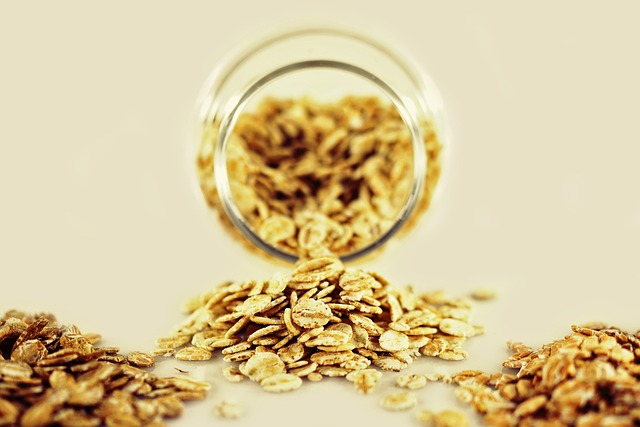
- Oats
A 2023 research review found that soil quality strongly affects selenium levels in plant foods.
What is considered a whole grain cereal? Click Here to Learn More
6. Dairy Products
Milk and dairy foods can contribute small amounts of selenium.
Examples:
These also provide calcium and protein.
7. Legumes and Beans
Plant-based eaters can still get selenium from legumes.
Options include:
- Lentils
- Beans
- Chickpeas
They also provide fiber and plant protein.
DISCOVER: Food Pooping: Eating Habits That Affect Digestion
8. Mushrooms
Some mushrooms naturally contain selenium.
- Especially when grown in selenium-rich soil
- A good addition to vegetarian meals
9. Fortified Foods
Some packaged foods are fortified with selenium.
Examples may include:
- Breakfast cereals
- Certain breads
Always check the nutrition label.
Learn more about Best Dry Cat Food Reviews by Vets here.
How Much Selenium Do You Need?
The amount of selenium you need depends on your age and life stage.
According to the NIH:
- Adults: about 55 micrograms per day
- Pregnant women: about 60 micrograms
- Breastfeeding women: about 70 micrograms
Most people can meet these needs through a balanced diet.
Click here to learn more about Healthiest Cat Food Consumer Reports.
Can You Get Too Much Selenium?
Yes, too much selenium can be harmful.
This condition is called selenium toxicity.
Symptoms may include:
The Centers for Disease Control and Prevention (CDC) warns that very high intake over time can cause health problems.
That’s why it’s best to get selenium from food rather than high-dose supplements unless advised by a doctor.
Why Does Food Poisoning Cause Headaches? Click Here to Learn More
Who May Need More Selenium?
Some people may have lower selenium levels.
This includes:
- People living in areas with low-selenium soil
- Those with digestive disorders
- People on very restricted diets
If you’re unsure, a doctor can help check your levels.
Are Your Favorite Foods and Drinks Unhealthy? Click Here to Learn More
Easy Ways to Add Selenium to Your Diet
You don’t need a complex plan to get enough selenium.
Try simple steps:
- Add 1–2 Brazil nuts to your day
- Include fish once or twice a week
- Eat eggs for breakfast
- Choose whole grains over refined grains
- Add beans or lentils to meals
Small changes can make a difference over time.
EXPLORE: 7 Foods That Make You Smell Bad
When to Talk to a Doctor
It’s a good idea to speak with a healthcare provider if:
- You are considering supplements
- You have symptoms of deficiency
- You have a medical condition affecting nutrition
A doctor can guide safe and appropriate intake.
A Word from GetMe Treated
If you’re asking what products have selenium, many everyday foods can help meet your needs.
Top sources include:
- Brazil nuts
- Seafood
- Meat and poultry
- Eggs
- Whole grains
- Dairy
- Beans and mushrooms
Selenium is important for your immune system and thyroid health. Most people can get enough through a balanced diet.
Focus on variety, and avoid excessive intake. When in doubt, seek medical advice.
KEEP LEARNING: Healing Foods for Back Pain
FAQs About What Products Have Selenium
What food has the most selenium?
Brazil nuts are the richest source. Just one or two nuts may provide your daily requirement.
Can I get enough selenium from diet alone?
Yes. Most people get enough selenium through a balanced diet without supplements.
Are plant-based sources of selenium effective?
Yes. Foods like beans, grains, and mushrooms contain selenium, though amounts vary by soil quality.
Is selenium good for the immune system?
Studies suggest selenium may help support immune function and protect cells.
Should I take selenium supplements?
Only if recommended by a doctor. Too much selenium can be harmful.
What are the signs of low selenium?
Low levels are rare but may include fatigue, weakened immunity, or thyroid issues. A doctor can confirm with tests.