

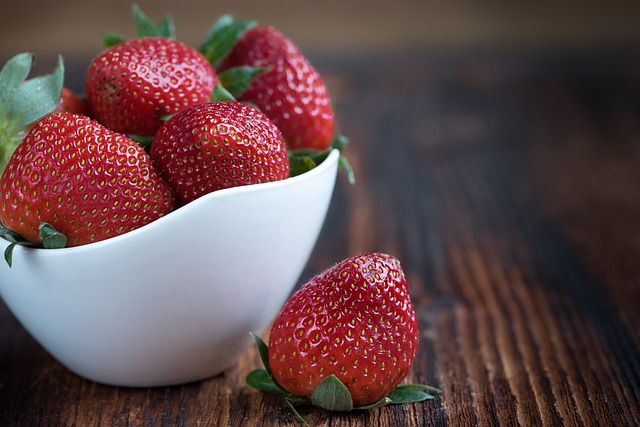
Berries that grow in England are an important part of traditional British gardens, farms, and countryside hedgerows. These fruits are known for their bright colors, natural sweetness, and high nutrient content.
Many berries grow well in England because of the country’s mild climate and regular rainfall. From strawberries in summer to blackberries in autumn, these fruits appear across gardens, forests, and local markets.
Health experts often encourage eating berries because they contain vitamins, fiber, and plant compounds that support overall health. According to the National Institutes of Health (NIH) and the World Health Organization (WHO), diets rich in fruits and vegetables may help lower the risk of chronic diseases.
This guide explains the most common berries that grow in England, their nutrition, and simple ways to include them in a healthy diet.
Why Berries Are Good for Health
Berries are small fruits, but they contain many important nutrients.
Research from the Centers for Disease Control and Prevention (CDC) notes that fruits rich in antioxidants and fiber may support heart health and digestion.
Common nutrients in berries include:
- Vitamin C – supports the immune system
- Fiber – helps digestion and gut health
- Antioxidants – help protect cells from damage
- Folate – supports healthy cell growth
- Potassium – helps regulate blood pressure
Studies published by the NIH suggest that berries may help reduce inflammation and support heart health when eaten regularly as part of a balanced diet.
»DISCOVER: Are Dried Cranberries Good For You
1. Strawberries
Strawberries are one of the most popular berries that grow in England. They are widely grown in farms and home gardens.
In England, strawberry season usually begins in late May and continues through July.
Key features
- Bright red color
- Sweet flavor
- Soft texture
Nutrition highlights
Strawberries contain:
- High levels of vitamin C
- Natural antioxidants
- Dietary fiber
According to research cited by the NIH, strawberries may help support heart health due to their antioxidant content.
How do people enjoy strawberries
Common ways to eat strawberries include:
- Fresh with yogurt
- In fruit salads
- With oatmeal
- In smoothies
- With traditional British desserts like shortcake
»EXPLORE: Are Strawberries Good For Inflammation
2. Blackberries
Blackberries grow naturally in many English hedgerows and countryside areas.
They are often picked during late summer and early autumn, usually between August and October.
Key features
- Dark purple or black color
- Slightly tart flavor
- Juicy texture
Nutrition highlights
Blackberries provide:
Some studies referenced by the NIH suggest that diets rich in fiber from fruits like blackberries may help support digestive health.
Common uses
People often use blackberries in:
- Jams and preserves
- Pies and crumbles
- Breakfast bowls
- Homemade juices
What Fruits Are Good For Diabetics with Type 2? Click Here to Learn More
3. Raspberries
Raspberries are another common fruit grown across England. They grow well in cooler climates and are often planted in gardens.
Raspberry season usually runs from June to September.
Key features
- Bright red color
- Soft texture
- Sweet-tart taste
Nutrition highlights
Raspberries contain:
- High levels of fiber
- Vitamin C
- Manganese
- Antioxidants
According to nutrition research supported by the NIH, raspberries may help support healthy digestion because of their fiber content.
Ways to eat raspberries
People enjoy raspberries:
- Fresh as a snack
- In yogurt
- In smoothies
- In cakes and pastries
- With cereal
People Who Don’t Eat Fruits And Vegetables – Learn More
4. Gooseberries
Gooseberries are traditional berries that grow in England, especially in older gardens and small farms.
They are usually harvested in early summer, between June and July.
Key features
- Green, red, or purple skin
- Slightly sour taste
- Firm texture
Nutrition highlights
Gooseberries contain:
- Vitamin C
- Fiber
- Antioxidants
Some studies suggest that foods rich in antioxidants may help support immune health and reduce oxidative stress.
Popular uses
Because gooseberries can be sour, they are often used in:
- Jams
- Sauces
- Desserts
- Fruit compotes
Learn more about Why Fruits Should Not Be Eaten At Night.
5. Elderberries
Elderberries grow on elder trees across the English countryside. These small dark berries usually ripen in late summer.
Important safety note
Raw elderberries should not be eaten directly because they can contain natural compounds that may cause stomach upset.
They are usually cooked before consumption.
Nutrition highlights
Cooked elderberries contain:
- Vitamin C
- Fiber
- Antioxidants
According to research supported by the NIH, elderberry extracts have been studied for immune support, though more research is still needed.
Common uses
Cooked elderberries are often used in:
- Syrups
- Jams
- Herbal teas
- Traditional cordials
Click here to learn more about What Fruits Are Good For Diabetics Type 1
6. Bilberries
Bilberries are small wild berries that grow in parts of the UK countryside, particularly in woodland areas.
They look similar to blueberries but are darker and smaller.
Key features
- Deep purple color
- Sweet but slightly tart flavor
- Very juicy
Nutrition highlights
Bilberries contain:
- Anthocyanins (powerful antioxidants)
- Vitamin C
- Fiber
Research has explored bilberries for potential benefits related to eye health, although more evidence is still being studied.
Ways to enjoy bilberries
People often eat bilberries:
- Fresh from the wild
- In pies
- In jams
- In baked desserts
What Are The Top 5 Fruits That You Cannot Eat At Night? Click Here to Learn More
Tips for Safely Picking Wild Berries
Many berries that grow in England can be found in the countryside. However, it is important to be careful when picking wild fruit.
Helpful tips include:
- Only pick berries you can clearly identify
- Avoid berries growing near busy roads
- Wash berries before eating
- Never eat unknown wild plants
According to the research by H Harris (2024), caution is advised when foraging because some wild berries can look similar to toxic plants.
If unsure, it is best to consult a local guide or expert.
Learn more about What Are The Most Toxic Conventional Fruits And Vegetables.
Simple Ways to Add Berries to Your Diet
Adding berries to meals can be easy.
Healthy ideas include:
- Adding berries to breakfast oatmeal
- Mixing berries into smoothies
- Using berries in salads
- Adding berries to low-fat yogurt
- Freezing berries for later use
Health organizations like the WHO recommend eating a variety of fruits daily as part of a balanced diet.
»DISCOVER: How to Use Fruits and Vegetables to Heal Several Diseases
A Word from GetMe Treated
Many delicious berries that grow in England can be found in gardens, farms, and countryside hedgerows. Popular types include strawberries, blackberries, raspberries, gooseberries, elderberries, and bilberries.
These fruits contain vitamins, fiber, and antioxidants that may help support overall health. Research from organizations such as the CDC, WHO, and NIH suggests that eating fruits regularly may help reduce the risk of chronic diseases.
Including berries in meals can be a simple and enjoyable way to increase fruit intake.
If you are foraging for wild berries, always identify them carefully and wash them before eating.
»KEEP LEARNING: What Fruits Are Good For Babies Under 1
FAQs About Berries That Grow in England
What berries grow naturally in England?
Common berries that grow naturally in England include blackberries, raspberries, elderberries, gooseberries, and bilberries. Many also grow in gardens and farms.
When is berry season in England?
Berry season usually runs from late spring to early autumn, depending on the type. Strawberries appear first, while blackberries and elderberries ripen later.
Are wild berries in England safe to eat?
Many are safe, but proper identification is important. Some wild berries can be toxic, so experts recommend only picking berries you can confidently identify.
Are berries healthy?
Yes. Berries contain fiber, vitamins, and antioxidants. According to the CDC and NIH, these nutrients may help support heart health and overall wellness.
Can berries help the immune system?
Berries contain vitamin C and antioxidants, which may help support immune function as part of a balanced diet.
Can you freeze berries?
Yes. Most berries freeze well and can be stored for several months. Frozen berries can be used in smoothies, baking, and cooking.