

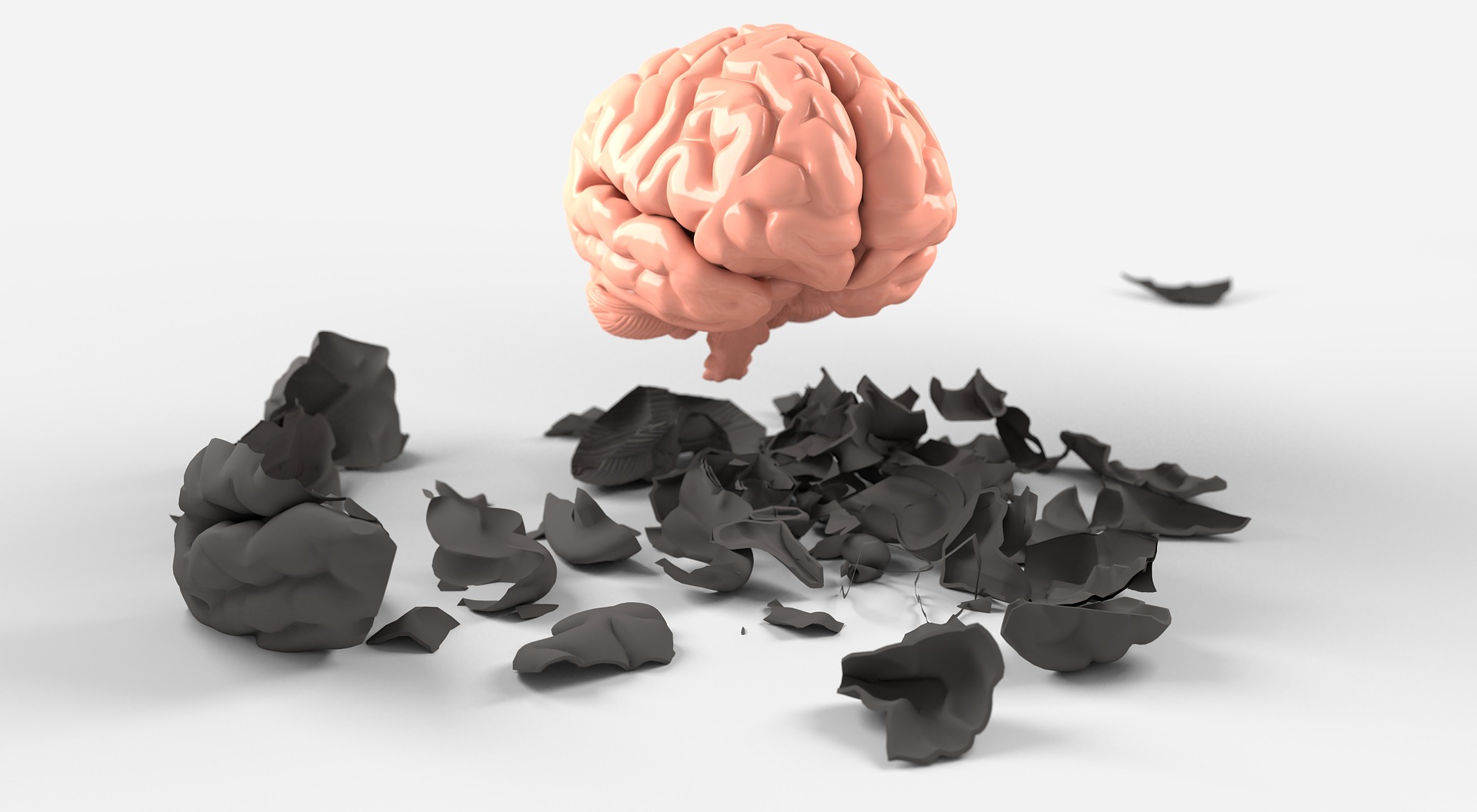
Many people ask, is the brain the last organ to die? This question often comes up during serious illness or end-of-life discussions. It is natural to want clear answers. Understanding how the body shuts down may help reduce fear and confusion.
Death is a process. Organs do not stop at the same second. Journal of Internal Medicine and medical experts, including the National Institutes of Health (NIH), explain that certain organs are more sensitive to oxygen loss than others. This article reviews what science says.
What Happens to the Body at Death?
The body depends on oxygen to keep organs alive.
When oxygen flow stops:
- The brain is affected within minutes
- The heart stops beating
- Other organs fail due to a lack of blood flow
According to the National Institutes of Health, death is declared when there is irreversible loss of brain function or permanent cessation of the heart and breathing.
Click here to learn more about How to Program Your Brain for Success.
Is the Brain the Last Organ to Die in Natural Death?
In most cases, the answer to is the brain the last organ to die is NO.
The brain is actually one of the first organs to suffer damage when oxygen stops.
Without oxygen:
- Brain cells begin to change within 4–6 minutes
- Permanent injury may follow quickly
- Loss of consciousness usually happens within seconds
The NIH explains that brain tissue is highly sensitive to oxygen deprivation. This is why quick CPR during cardiac arrest is so important.
Learn more about the Last Organ to Die.
Why the Brain Is So Sensitive
The brain uses a large amount of the body’s oxygen supply.
It:
- Controls breathing
- Regulates heart rate
- Manages awareness and thinking
Because brain cells do not store oxygen, they rely on a constant blood supply. Even a short interruption can cause serious damage.
Studies reviewed by the NIH show that neurons, or brain cells, are among the most fragile cells in the body when oxygen is cut off.
Can Constipation Cause Back Pain Near Kidneys – Learn More
What Is Brain Death?
Brain death is a medical and legal term.
According to the Mayo Clinic:
- Brain death means the complete and irreversible loss of all brain function
- It is legally recognized as death in the United States
- Recovery is not possible
Even if machines keep the heart beating, a person with confirmed brain death has died.
Doctors perform strict tests to confirm brain death. These tests check:
- Reflexes
- Breathing ability
- Brainstem responses
This process follows national medical guidelines.
How Do I Know If My Kidneys Are Doing Fine? Click Here to Learn More
Can the Heart Outlive the Brain?
Sometimes people believe the heart is the final organ to stop.
In many natural deaths:
- The heart stops
- Blood flow ends
- The brain quickly loses oxygen
However, in some cases involving life support, the brain may stop functioning before the heart. Machines can temporarily keep the heart and lungs working.
This may create confusion when asking, is the brain the last organ to die, because the timing can vary depending on medical support.
5 Foods You Should Stop Eating At Night To Prevent Kidney Problems – Learn More
What About Other Organs?
Other organs also shut down after oxygen loss.
These include:
- Kidneys
- Liver
- Lungs
Most organs cannot survive long without circulation.
The World Health Organization (WHO) explains that organ systems are interconnected. When one major system fails, others usually follow.
Some individual cells may survive briefly after death. This is why organ donation is possible under controlled medical conditions. But this does not mean the person is alive.
Learn more about Foods That Are Bad For Your Kidneys.
What Happens in the Final Hours of Life?
When someone is dying from illness, the body often slows gradually.
According to the Mayo Clinic, common signs may include:
- Increased sleep
- Lower appetite
- Slower breathing
- Reduced awareness
Many people become less responsive before their organs fully shut down.
Hospice teams focus on comfort and dignity. Medications may help ease discomfort and anxiety.
Click here to learn more about the 8 signals your body may show before a heart attack.
Why This Question Matters
It is normal to worry about suffering at the end of life.
Medical evidence suggests that:
- Loss of awareness often happens early
- Pain can be managed with proper care
- Doctors prioritize comfort
If you are concerned about a loved one, speaking with a healthcare provider may help you understand what to expect.
How to Use Fruits and Vegetables to Heal Several Diseases – Learn More
A Word from GetMe Treated
So, is the brain the last organ to die? In most natural cases, no.
The brain is one of the first organs affected by oxygen loss. Brain cells are highly sensitive and can suffer injury within minutes. Once brain function permanently stops, death is legally declared.
The heart and other organs usually stop soon after circulation ends. Timing may vary depending on the cause of death and medical support.
Understanding these facts may help reduce fear and bring clarity during difficult moments. If you have concerns about end-of-life care, talk with a doctor or hospice provider.
Content reviewed for accuracy and clarity.
Is Sleeping On Your Right Side Bad For Your Heart? Click Here to Learn More
FAQs About Is the Brain the Last Organ to Die
Is the brain the last organ to die?
No. The brain is usually one of the first organs affected by oxygen loss.
How long can the brain survive without oxygen?
Brain injury may begin within 4–6 minutes without oxygen.
What is brain death?
Brain death is the complete and irreversible loss of all brain function. It is legally recognized as death.
Can someone recover from brain death?
No. Brain death is permanent and cannot be reversed.
Do people feel pain when organs shut down?
Many people lose awareness before full organ failure. Doctors focus on comfort care.
Who should I talk to about end-of-life concerns?
A doctor, nurse, or hospice team can explain what to expect and may help ensure comfort.