

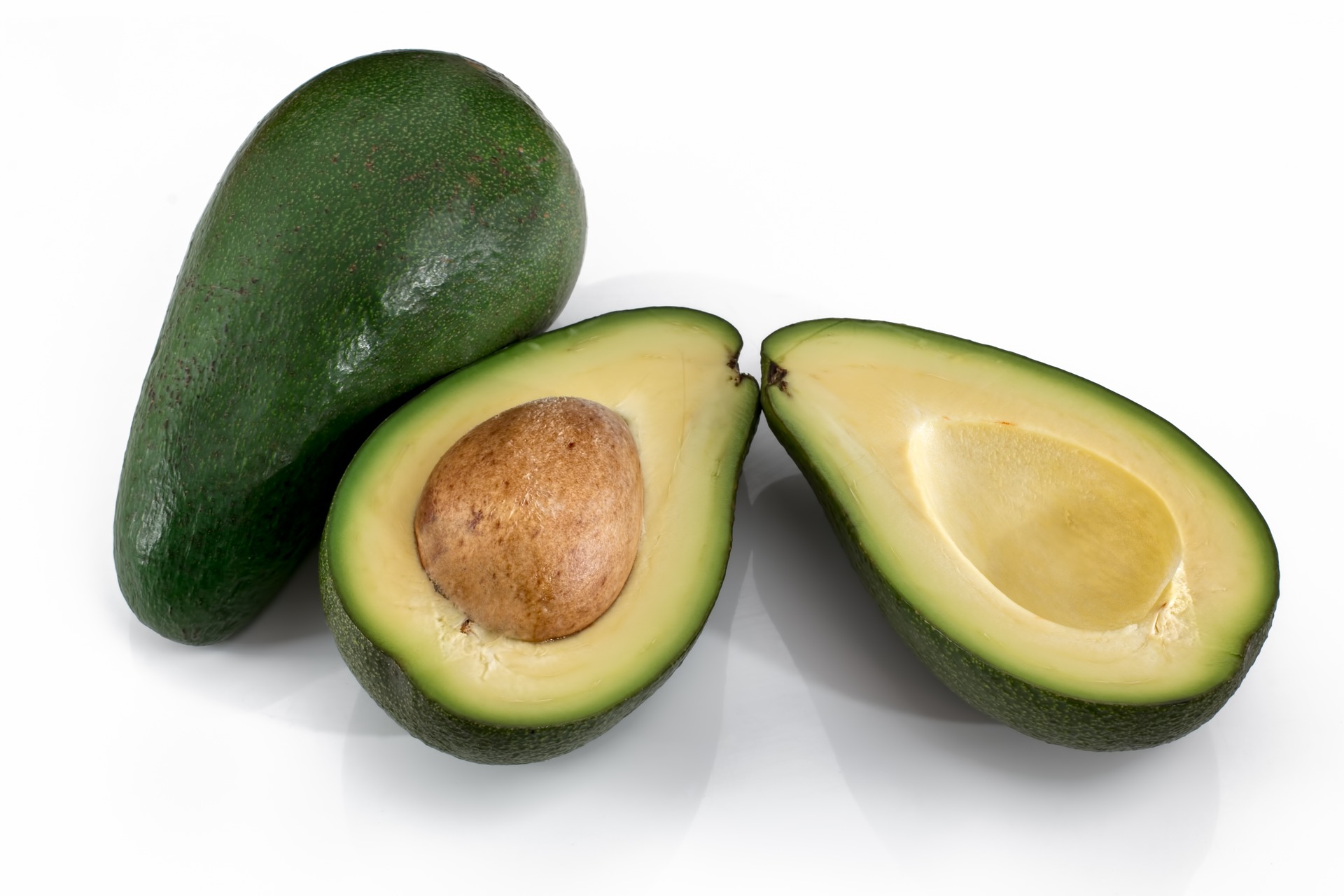
Why Pears Should Be Eaten Every Day is a question many people ask when looking for simple ways to improve their diet.
Pears are naturally sweet, easy to find, and packed with nutrients that support overall health. They contain fiber, vitamins, minerals, and plant compounds that may help your body function at its best.
According to the World Health Organization (WHO), eating enough fruits and vegetables is an important part of a healthy diet.
Adding a pear to your daily meals is one simple way to increase your fruit intake without making major changes to your routine.
What Makes Pears So Nutritious?
Pears are low in calories but rich in nutrients. A medium-sized pear provides:
- Dietary fiber
- Vitamin C
- Vitamin K
- Potassium
- Copper
- Small amounts of folate and other B vitamins
- Natural antioxidants
They also contain about 84% water, making them a refreshing snack that may help support hydration.
According to the U.S. Department of Agriculture (USDA), pears are a good source of fiber while remaining naturally low in fat and sodium.
EXPLORE: Is Pure Taboo Tea a Detox Tea? What You Should Know
1. Pears May Support Healthy Digestion
One of the biggest reasons Why Pears Should Be Eaten Every Day is their high fiber content.
A medium pear provides about 5 to 6 grams of fiber, which helps keep the digestive system moving normally.
Fiber may help:
- Support regular bowel movements
- Feed healthy gut bacteria
- Improve digestive comfort
- Help maintain colon health
The National Institutes of Health (NIH) notes that dietary fiber plays an important role in digestive health and overall wellness.
Eating pears with the skin provides even more fiber because much of it is found in the peel.
What Fruits Burn Fat At Night? Click Here to Learn More
2. They May Help Support Heart Health
Heart disease remains one of the leading causes of death worldwide.
A healthy eating pattern that includes fruits like pears may help support cardiovascular health.
Pears contain:
- Soluble fiber
- Potassium
- Plant antioxidants
Soluble fiber may help maintain healthy cholesterol levels when included as part of a balanced diet.
Potassium helps support normal blood pressure by balancing sodium in the body.
According to the American Heart Association (AHA), eating more fruits and vegetables is associated with better heart health.
Click here to learn more about How to Use Fruits and Vegetables to Heal Several Diseases.
3. Pears May Help with Healthy Weight Management
Pears are naturally filling because they combine fiber with a high water content.
This combination may help you feel satisfied for longer after eating.
Replacing high-calorie snacks with fresh fruit may also reduce overall calorie intake throughout the day.
A 2018 research review found that diets rich in whole fruits are associated with healthier body weight and improved diet quality.
Remember that no single food causes weight loss. Pears work best as part of a balanced eating plan.
Learn more about What Are The Most Toxic Conventional Fruits And Vegetables.
4. Pears Provide Antioxidants That Help Protect Cells
Pears contain natural plant compounds known as antioxidants.
These include:
- Flavonoids
- Polyphenols
- Vitamin C
Antioxidants help protect cells from damage caused by unstable molecules called free radicals.
Researchers continue studying how antioxidant-rich diets may support long-term health.
According to the NIH Office of Dietary Supplements, antioxidants from whole foods are an important part of a healthy diet.
What Are The Top 5 Fruits That You Cannot Eat At Night? Click Here to Learn More
5. Pears May Help Support Healthy Blood Sugar Levels
Although pears taste sweet, they have a relatively low glycemic index compared with many processed snacks.
Their fiber slows digestion, helping sugar enter the bloodstream more gradually.
Some studies suggest that regularly eating whole fruits may be linked with a lower risk of developing type 2 diabetes.
However, people with diabetes should still monitor portion sizes and follow advice from their healthcare provider.
How Much Dry Fruit Should I Eat Per Day – Learn More
6. Pears May Support Your Immune System
Vitamin C is well known for supporting normal immune function.
While pears are not the highest source of vitamin C, they still contribute to your daily intake.
Eating a variety of fruits helps ensure your body receives different vitamins and minerals needed for immune health.
According to the Centers for Disease Control and Prevention (CDC), maintaining a healthy eating pattern supports overall health and immune function.
Learn more about Fruit Not To Eat Empty Stomach.
7. Pears May Help Reduce Inflammation
Many fruits contain natural anti-inflammatory plant compounds.
Research suggests that diets rich in fruits and vegetables may help support a healthy inflammatory response.
Pears contain flavonoids that researchers continue to study for their potential health benefits.
A 2025 study examining fruit-rich dietary patterns found that higher fruit intake was associated with markers of better overall health, although more research is still needed.
Click here to learn more about Why Fruits Should Not Be Eaten At Night.
8. Pears Are Easy to Add to Your Daily Diet
One reason Why Pears Should Be Eaten Every Day is that they fit into almost any eating plan.
Simple ways to enjoy pears include:
- Eat one as a morning snack.
- Slice into oatmeal.
- Add to salads.
- Blend into smoothies.
- Pair with yogurt.
- Bake with cinnamon for dessert.
Fresh pears are naturally sweet without added sugars.
Learn more about Why Can’t Fruit Be Compared here.
Are There Any Downsides?
For most healthy adults, pears are safe to eat every day.
However, there are a few things to remember:
- Eat them in moderation as part of a balanced diet.
- Wash pears before eating.
- Some people may have fruit allergies.
- Individuals with digestive conditions such as IBS may need to monitor their intake because pears contain naturally occurring FODMAP carbohydrates.
If you experience persistent digestive discomfort or allergic reactions after eating pears, speak with your healthcare provider.
Why Mango Is Philippine National Fruit – Learn More
What Does the Research Say?
Several health organizations encourage eating more fruits every day.
Evidence from the WHO, CDC, NIH, and numerous nutrition studies consistently shows that diets rich in fruits are linked with better overall health.
Studies suggest that eating whole fruits like pears may help:
- Improve fiber intake
- Support heart health
- Promote digestive health
- Help maintain a healthy weight
- Provide beneficial antioxidants
Researchers also emphasize that no single fruit can prevent or cure disease. Pears are most beneficial when eaten as part of an overall healthy lifestyle.
Learn more about how to use Fruit Fresh When Freezing Peaches.
A Word from GetMe Treated
Understanding Why Pears Should Be Eaten Every Day comes down to their impressive nutritional profile. Pears provide fiber, vitamins, antioxidants, and hydration in a naturally sweet package.
Research suggests they may support digestion, heart health, healthy weight management, blood sugar control, and immune function.
While pears are not a cure for any disease, adding one to your daily diet is a simple and nutritious choice for many people. For personalized nutrition advice or if you have a medical condition, talk with your doctor or a registered dietitian.
KEEP LEARNING: People Who Don’t Eat Fruits And Vegetables
FAQs About Why Pears Should Be Eaten Every Day
Is it okay to eat a pear every day?
Yes. For most healthy adults, eating one pear daily can be part of a balanced diet that includes a variety of fruits and vegetables.
Should I eat the skin of a pear?
Yes. The skin contains much of the fruit’s fiber and beneficial plant compounds. Wash the pear thoroughly before eating.
Are pears good for digestion?
Pears are high in dietary fiber, which may help support regular bowel movements and overall digestive health.
Can people with diabetes eat pears?
Many people with diabetes can enjoy pears in appropriate portions. It’s best to discuss your individual dietary needs with your healthcare provider or a registered dietitian.
When is the best time to eat pears?
Pears can be enjoyed at any time of the day, whether as a snack, with breakfast, or as part of a meal.
Are canned pears as healthy as fresh pears?
Fresh pears usually provide the most nutritional value without added sugars. If choosing canned pears, look for varieties packed in water or natural juice rather than syrup.