

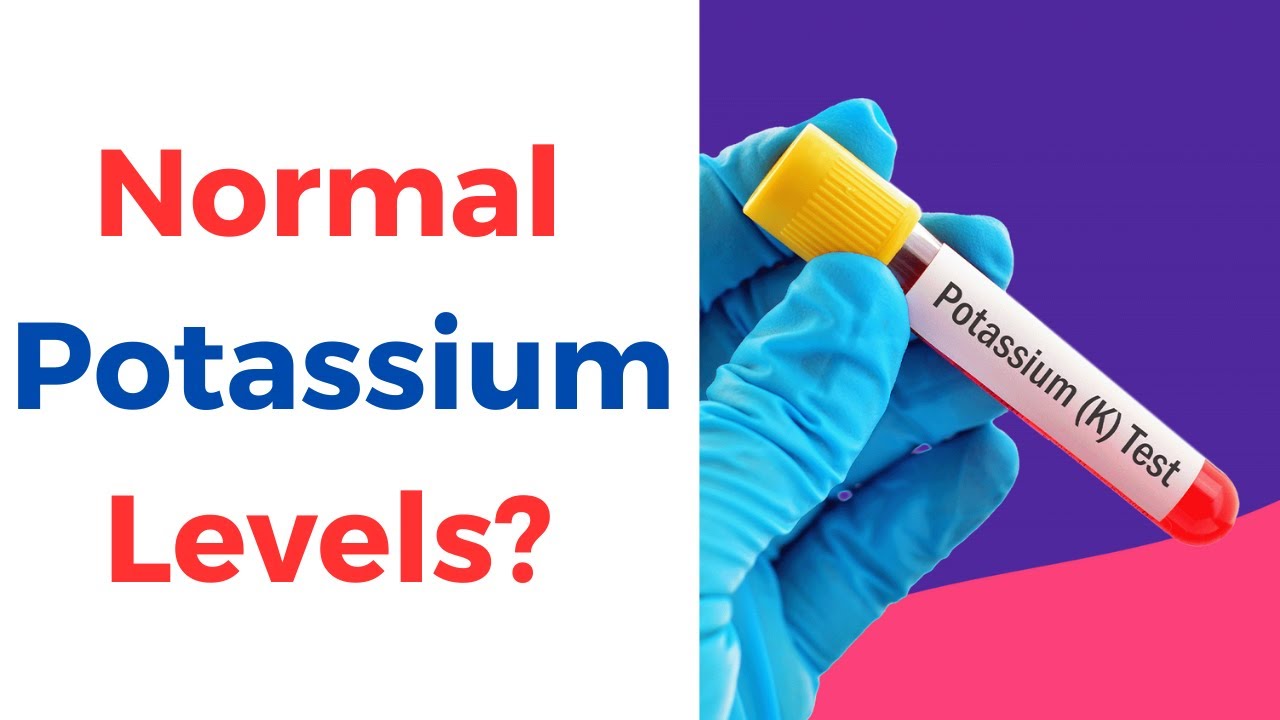
A potassium level of 6.7 mmol/L is considered high. This condition is called hyperkalemia. Potassium is an important mineral that helps your muscles, nerves, and heart work properly.
But when potassium becomes too high, it may affect the heart’s rhythm and other body functions.
Many people feel worried after seeing this number on a blood test. In some cases, it may require urgent medical care. The good news is that doctors can often treat high potassium successfully once the cause is identified.
This article explains what a potassium 6.7 mmol/L result may mean, common symptoms, possible causes, treatment options, and when to seek emergency help.
What Is Potassium?
Potassium is an electrolyte found in the blood and inside cells. It helps regulate:
- Heartbeat
- Muscle contractions
- Nerve signals
- Fluid balance
According to the National Institutes of Health, normal blood potassium levels are usually between 3.5 and 5.0 mmol/L.
When levels rise above normal, doctors call it hyperkalemia.
Click here to learn more about 5 Foods You Should Stop Eating At Night To Prevent Kidney Problems.
Is Potassium 6.7 mmol/L Dangerous?
A potassium 6.7 mmol/L reading is generally considered a serious level of hyperkalemia. It may increase the risk of abnormal heart rhythms, especially if the potassium rises quickly.
According to medical reviews from NCBI StatPearls, symptoms and heart-related changes often appear when potassium levels rise above 6.0 mmol/L.
Doctors usually take a potassium 6.7 mmol/L result seriously because it may affect electrical signals in the heart.
However, the level alone does not always tell the full story. Some people have no symptoms, while others may feel unwell. The speed of the increase and underlying health conditions also matter.
Learn more about If You Think You’re Eating a Real Banana, You’re Not.
Symptoms of High Potassium
Some people with potassium 6.7 mmol/L may have no symptoms at all. Others may notice:
- Muscle weakness
- Fatigue
- Numbness or tingling
- Nausea
- Chest discomfort
- Irregular heartbeat
- Shortness of breath
Severe hyperkalemia may lead to dangerous heart rhythm problems.
The National Kidney Foundation notes that symptoms are sometimes mild or difficult to recognize early.
EXPLORE: 20 Foods To Eat And Avoid On An Empty Stomach
Common Causes of Potassium 6.7 mmol/L
There are several possible causes of hyperkalemia.
Kidney Problems
The kidneys remove extra potassium from the body. If the kidneys are not working properly, potassium can build up in the blood.
Conditions may include:
- Chronic kidney disease
- Acute kidney injury
- Severe dehydration
Medications
Some medicines may raise potassium levels, including:
- ACE inhibitors
- ARBs
- Potassium-sparing diuretics
- Certain pain relievers
- Potassium supplements
Doctors may review medications carefully if potassium 6.7 mmol/L is found.
10 Signs That Your Body Is Crying for Help – Learn More
Excess Potassium Intake
Food alone usually does not cause severe hyperkalemia in healthy people. However, high-potassium diets or supplements may contribute to people with kidney disease.
Diabetes and Hormone Disorders
Uncontrolled diabetes and adrenal gland problems may also affect potassium balance.
False High Reading
Sometimes the blood test itself may cause a falsely high potassium result. This is called pseudohyperkalemia.
According to NIH, blood sample handling issues may sometimes lead to inaccurate readings.
Doctors may repeat the test to confirm the result.
Learn more about How To Boost Your Sperm Count Naturally At Home For Men here.
How Doctors Diagnose Hyperkalemia
If potassium 6.7 mmol/L appears on a blood test, doctors may order additional tests.
These may include:
- Repeat the potassium blood test
- Kidney function tests
- Blood sugar testing
- Electrocardiogram (ECG)
An ECG checks the heart’s electrical activity. High potassium can cause specific changes on the ECG.
Medical sources note that potassium levels between 6.5 and 7.5 mmol/L may begin to flatten or remove P waves on an ECG.
DISCOVER: The Benefits Of Drinking Coconut Water In The Morning
Treatment for Potassium 6.7 mmol/L
Treatment depends on symptoms, ECG findings, and the underlying cause.
Emergency Treatments
If potassium 6.7 mmol/L is causing heart changes, emergency treatment may include:
- IV calcium to protect the heart
- Insulin with glucose
- Breathing treatments
- IV fluids
- Dialysis in severe kidney disease
These treatments may help lower potassium safely.
Medication Adjustments
Doctors may stop or change medications that increase potassium.
Potassium Binders
Some people may receive medications that help remove extra potassium through the digestive system.
Learn more about the benefits of drinking tomato juice every day.
Dietary Changes
A healthcare provider may recommend limiting high-potassium foods temporarily.
Examples include:
- Bananas
- Potatoes
- Tomatoes
- Oranges
- Salt substitutes containing potassium
Diet changes should always be guided by a doctor or dietitian.
DISCOVER: How Clean Is Urine? A Comprehensive Guide
Foods and Potassium
Potassium is essential for health. Most people actually need enough potassium for normal body function.
The Centers for Disease Control and Prevention (CDC) explains that potassium helps support blood pressure, muscle function, and hydration.
Healthy potassium sources include:
- Fruits
- Vegetables
- Beans
- Dairy products
- Leafy greens
People with kidney disease may need individualized advice about potassium intake.
Is Mango Good for Type 2 Diabetes? Click Here to Learn More
When to Seek Emergency Help
A potassium 6.7 mmol/L result may need urgent medical attention.
Seek emergency care if symptoms include:
- Chest pain
- Severe weakness
- Fainting
- Trouble breathing
- Palpitations
- Confusion
Even without symptoms, doctors may recommend immediate evaluation depending on the situation.
Click here to learn more about Healing Foods for Back Pain.
Can Potassium Levels Return to Normal?
Yes. In many cases, potassium levels improve once the cause is treated.
Treatment may involve:
- Adjusting medications
- Treating kidney problems
- Managing diabetes
- Temporary dietary changes
- Medical treatment in the hospital
Regular monitoring may help prevent future episodes.
Learn more about How To Prevent Further Kidney Damage here.
Tips for Managing High Potassium
Here are some simple steps that may help lower the risk of future hyperkalemia:
- Attend regular medical appointments
- Follow kidney care recommendations
- Take medications exactly as prescribed
- Avoid potassium supplements unless approved
- Ask before using salt substitutes
- Stay hydrated if advised by your doctor
Never stop prescription medications without medical guidance.
Urine Flow and Solute Excretion During Osmotic Diuresis – Learn More
What Research Says About Hyperkalemia
Recent research continues to show that severe hyperkalemia may increase the risk of heart rhythm problems, especially in people with kidney disease or heart disease.
A 2025 medical review published in StatPearls noted that rapid increases in potassium may sometimes be more dangerous than the exact number alone.
The National Kidney Foundation also states that early treatment and monitoring may help reduce complications.
EXPLORE: Headache and Nausea 4 Days After Colonoscopy
A Word from GetMe Treated
A potassium 6.7 mmol/L result means the potassium level in the blood is significantly elevated. This condition is called hyperkalemia.
High potassium may affect the heart and muscles, especially when levels rise quickly. Common causes include kidney disease, medications, dehydration, and certain medical conditions.
Doctors often use blood tests and ECG monitoring to evaluate the condition. Treatment depends on the cause and severity.
Many cases can be managed successfully with prompt medical care and ongoing monitoring. If you have symptoms such as chest pain, severe weakness, or breathing difficulty, seek emergency care immediately.
Content reviewed for clarity and accuracy using trusted medical sources.
KEEP LEARNING: Potassium Level 7.0 Treatment: What You Need to Know
FAQs About Potassium 6.7 mmol/L
Is potassium 6.7 mmol/L an emergency?
It may be considered a medical emergency, especially if there are heart symptoms or ECG changes.
Can dehydration cause high potassium?
Yes. Severe dehydration may affect kidney function and contribute to hyperkalemia.
What foods are high in potassium?
Bananas, potatoes, tomatoes, oranges, beans, and spinach are common high-potassium foods.
Can medications raise potassium levels?
Yes. Some blood pressure medicines and potassium supplements may increase potassium.
Does high potassium always cause symptoms?
No. Some people have no symptoms even with high potassium levels.
Can potassium levels go back to normal?
Yes. Many people improve with treatment, medication changes, and proper medical care.