

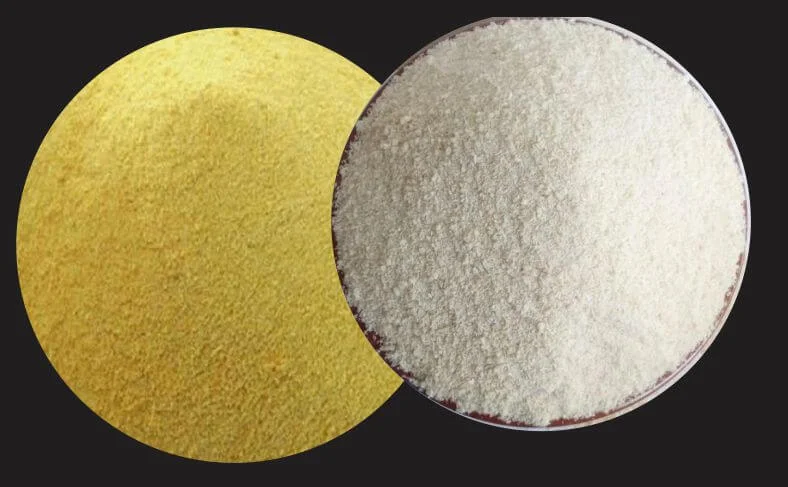
What is garri in West Africa? Garri in West Africa is one of the most widely eaten staple foods across countries like Nigeria, Ghana, and Sierra Leone. It is made from cassava, a root vegetable that grows well in tropical climates.
Many people eat garri daily because it is affordable, easy to prepare, and filling. This guide explains what garri is, how it is made, its nutrition, and how it may affect health.
What Is Garri in West Africa?
Garri in West Africa is a dry, coarse flour made from processed cassava roots. The cassava is peeled, grated, fermented, pressed, and then fried into small grains.
Garri can be eaten in two main ways:
- Soaked in cold water (often called “soaked garri”)
- Mixed with hot water to form a dough called “eba.”
It has a slightly sour taste due to fermentation.
Do Not Drink Water After Eating These Foods – Learn More
Where Does Garri Come From?
Garri is made from cassava, a crop native to South America but widely grown in Africa today.
Countries where garri is commonly eaten include:
- Nigeria
- Ghana
- Benin
- Togo
- Sierra Leone
According to the Food and Agriculture Organization, cassava is a major food source for over 500 million people worldwide.
Learn more about What Causes Pooping Undigested Food.
How Is Garri Made?
The process of making garri in West Africa involves several steps. Each step is important for safety and taste.
Step-by-Step Process
- Peeling
- Fresh cassava roots are peeled to remove the outer skin.
- Grating
- The cassava is grated into a pulp.
- Fermentation
- The pulp is left to ferment for 2–5 days.
- This helps reduce natural toxins in cassava.
- Pressing
- Water is squeezed out using bags or presses.
- Sieving
- The pulp is broken into smaller grains.
- Frying (Garification)
- The grains are fried in a large pan until dry.
According to research in the Centers for Disease Control and Prevention (CDC) reports, proper processing of cassava helps reduce cyanide compounds that can be harmful if not removed.
7 Foods That Make You Smell Bad – Learn More
Types of Garri
There are different types of garri depending on how it is processed.
1. White Garri
- Plain and widely consumed
- Has a mild sour taste
2. Yellow Garri
- Mixed with palm oil during frying
- Has a richer flavor and a yellow color
3. Fine vs. Coarse Garri
- Fine garri: smoother texture
- Coarse garri: more grainy
Each type may be used differently based on personal preference.
EXPLORE: Best Anti-Aging Foods
How Do People Eat Garri?
Garri is very flexible and easy to prepare.
Common Ways to Eat Garri
1. Soaked Garri
- Mixed with cold water
- Often eaten with:
- Sugar
- Groundnuts (peanuts)
- Milk
2. Eba
- Mixed with hot water
- Forms a dough
- Eaten with soups like:
- Egusi soup
- Okra soup
- Vegetable soup
3. Garri with Coconut
- A popular snack combination
Foods That Cause Male Infertility: What to Know – Learn More
Nutritional Value of Garri
Garri mainly provides energy because it is high in carbohydrates.
Key Nutrients
- Carbohydrates (main source of energy)
- Small amounts of fiber
- Very low protein
- Low fat (unless palm oil is added)
According to the National Institutes of Health (NIH), cassava-based foods are energy-dense but may lack essential nutrients like protein and vitamins.
EXPLORE: 5 Foods You Should Stop Eating At Night To Prevent Kidney Problems
Health Benefits of Garri
Garri is not a “superfood,” but it may offer some benefits when eaten as part of a balanced diet.
1. May Provide Quick Energy
Garri is rich in carbohydrates, which the body uses for energy.
This may help:
- People with physically demanding jobs
- Those needing quick calorie intake
2. May Support Digestion
Garri contains small amounts of fiber.
Fiber may help:
- Support bowel movement
- Promote gut health
3. May Be Easy to Store
Garri has a long shelf life when kept dry.
This makes it:
- Useful in areas with limited food storage
- Reliable during food shortages
Learn more about Foods That Are Bad For Your Eyesight.
Possible Health Concerns
While garri in West Africa is widely consumed, there are some concerns to be aware of.
1. Low Protein Content
Garri alone does not provide enough protein.
This may increase the risk of:
- Malnutrition, if eaten without other foods
Experts often suggest combining garri with:
- Beans
- Fish
- Meat
2. Cyanide Risk (If Poorly Processed)
Cassava contains natural toxins.
According to studies cited by the Food and Agriculture Organization (FAO):
- Improper processing may leave harmful compounds
- Proper fermentation and frying reduce this risk
3. Blood Sugar Spikes
Garri has a high glycemic index.
This means it may:
People with diabetes may need to:
- Monitor portion size
- Consult a healthcare provider
Click here to learn more about 8 Foods That Make You Urinate A Lot At Night.
Is Garri Safe to Eat Every Day?
Garri can be part of a daily diet, but balance is important.
Health experts suggest:
- Pairing garri with protein-rich foods
- Adding vegetables when possible
A balanced diet helps reduce the risk of nutrient deficiencies.
Learn more about 4 Foods That Cause Stomach Cancer here.
Garri and Weight Management
Garri may affect weight depending on how it is eaten.
May Support Weight Gain
- High in calories
- Easy to eat in large amounts
May Help With Fullness
- Can be filling when eaten as eba
Portion control is important.
Avoid Eating These Foods with Eggs – Learn More
Garri in Culture and Daily Life
Garri is more than food. It is part of daily life in many West African communities.
It is often:
- Shared among families
- Sold in local markets
- Used during travel because it is easy to carry
Its affordability makes it important for food security.
DISCOVER: Stop Eating These 5 Food Combinations If You Want To Live Long
How to Store Garri Safely
To keep garri safe:
- Store in a dry container
- Keep away from moisture
- Use airtight containers when possible
Moisture may lead to mold growth.
Click here to learn more about Foods To Flush Your System And Prevent Diabetes.
When Should You See a Doctor?
Most people can eat garri safely.
However, you may want to speak with a healthcare provider if you:
- Have diabetes
- Experience digestive issues
- Rely heavily on garri as your main food
A doctor or dietitian can help guide balanced eating.
Learn more about Foods That Are Bad For Your Kidneys here.
A Word from GetMe Treated
To the question again, what is garri in West Africa? Garri in West Africa is a staple food made from cassava that is widely consumed for its affordability and convenience.
It provides energy and may support daily calorie needs. However, it is low in protein and should be combined with other foods for better nutrition.
Proper processing is important to make it safe, and moderation helps maintain good health.
Eating garri as part of a balanced diet is key.
KEEP LEARNING: What Does Garri Taste Like? A Simple, Clear Guide
FAQs About What Is Garri in West Africa?
Is garri healthy?
Garri may provide energy, but it is low in protein and vitamins. It is best eaten with other nutritious foods.
Can people with diabetes eat garri?
They may be able to, but portion control is important. It is best to consult a doctor.
Why does garri taste sour?
The sour taste comes from fermentation during processing.
What is the difference between garri and eba?
Garri is the dry grain, while eba is made by mixing garri with hot water.
Is yellow garri better than white garri?
Yellow garri contains palm oil, which adds flavor and fat. Both types can be part of a balanced diet.
Can garri go bad?
Yes. Exposure to moisture may cause spoilage. Store it in a dry, airtight container.