

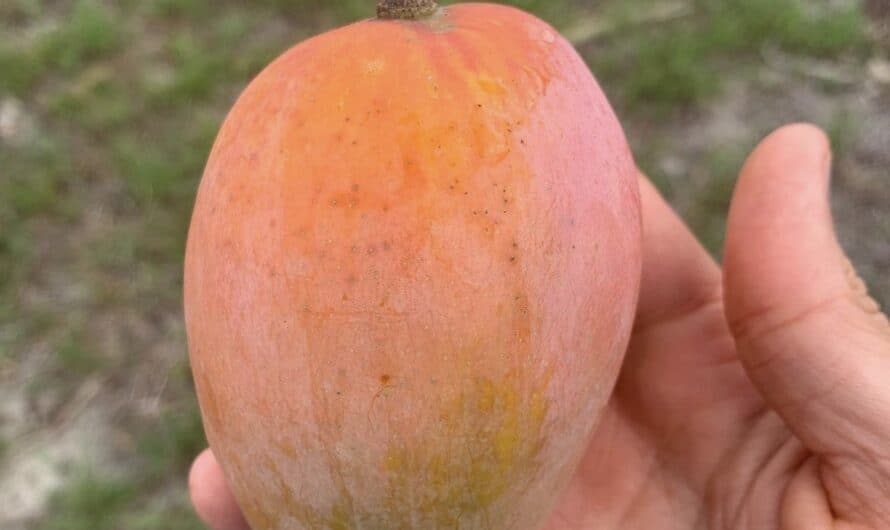
The carabao mango, also called the Philippine mango, is one of the most valued tropical fruits in the world. It is known for its sweetness, smooth flesh, and strong aroma.
Many food experts and agricultural groups have studied this fruit because of its quality and export value. This article presents verified carabao mango facts based on agricultural research and official reports.
Origin and Classification
The carabao mango comes from the Philippines and belongs to the species Mangifera indica. It is the national fruit of the country.
The name “carabao” comes from the local water buffalo, which represents strength and reliability. This mango variety grows best in tropical climates with dry and wet seasons.
According to the Philippine Department of Agriculture, major production areas include Zambales, Pangasinan, Guimaras, Cebu, and Davao.
These regions provide the soil and climate conditions needed for consistent fruit quality, which supports many established carabao mango facts.
Carabao Mango vs Alphonso – Learn More
Physical Characteristics
Carabao mangoes are medium-sized and slightly curved. The skin turns golden yellow when ripe. Inside, the flesh is deep yellow, soft, and almost fiber-free.
The seed is flat and thin, which allows more edible flesh compared to many other mango varieties.
Studies from the International Food Research Journal note that the low fiber content is a major reason this mango is preferred for fresh eating and processing.
These physical traits help define reliable carabao mango facts used by growers and exporters.
Learn more about Carabao Mango Growth Rate.
Taste and Sweetness
One of the most well-known features of the carabao mango is its sweetness. Sugar levels are commonly measured using the Brix scale.
Research from ResearchGate reports Brix readings that often exceed 20 degrees, which is high for mangoes.
The flavor is rich and balanced, with low acidity. This taste profile makes the fruit popular for desserts, dried mango products, and purees.
The Food and Agriculture Organization has referenced this mango in discussions about premium tropical fruit varieties, reinforcing established carabao mango facts.
Is Mango a National Treasure in the Philippines? Click Here to Learn More
Nutritional Value
Carabao mangoes provide several important nutrients. They are high in vitamin C, which supports immune health.
They also contain vitamin A in the form of beta-carotene, which supports eye health. Dietary fiber in the fruit aids digestion, even though the flesh itself is smooth.
According to data used by the United States Department of Agriculture for mango nutrition profiles, mangoes are low in fat and provide natural sugars for energy.
These nutritional details are key carabao mango facts for consumers focused on healthy diets.
Why is Mango So Sweet in the Philippines? Click Here to Learn More
Growing and Harvesting
Carabao mango trees usually start bearing fruit after five to seven years. Farmers often use flower induction techniques to control flowering and improve yields.
Harvest season varies by region but often peaks between March and June. Fruits are picked mature but unripe and then allowed to ripen after harvest.
Proper handling is important, as the fruit is sensitive to bruising. The Philippine Department of Agriculture provides guidelines on post-harvest handling to maintain export quality standards.
Economic Importance
The carabao mango plays a major role in the Philippine agricultural economy. It is one of the country’s top fruit exports, with key markets in Japan, South Korea, China, and the Middle East.
Export-quality mangoes must meet strict size, sweetness, and pest-free requirements. Government data shows that mango farming supports thousands of smallholder farmers.
This economic impact has been documented in reports by the Food and Agriculture Organization and local trade agencies.
Click here to learn more about the Importance of Mango in the Philippines.
Uses in Food Products
Aside from being eaten fresh, carabao mangoes are used in many processed foods. Dried mango slices are among the most popular exports.
The fruit is also used in juices, jams, ice cream, and baked goods. Because the flesh is smooth, it blends well without added sugar in many products.
Food science studies from Philippine universities often cite this mango as ideal for processing due to its texture and flavor stability.
Is Mango Good For Type 2 Diabetes? Click Here to Learn More
A Word from GetMe Treated
The carabao mango stands out for its sweetness, smooth texture, and strong nutritional value.
Research from the Food and Agriculture Organization and the Philippines Council for Agriculture confirms its quality, economic importance, and global demand.
These verified carabao mango facts explain why this fruit is considered premium and continues to be one of the most respected mango varieties in the world.
Pineapple Mango Ginger Smoothie – Learn More
FAQs About Carabao Mango Facts
Is the carabao mango the same as other mangoes?
No. It is a specific variety with higher sweetness and less fiber than many common mango types.
Where is the carabao mango mainly grown?
It is mainly grown in the Philippines, especially in Zambales, Guimaras, and Pangasinan.
Why is it considered very sweet?
It has high natural sugar content, often measured above 20 degrees Brix in agricultural studies.
Is the carabao mango healthy?
Yes. It provides vitamin C, vitamin A, fiber, and natural carbohydrates.
When is the harvest season?
Harvest usually peaks from March to June, depending on the region.
Is it exported to other countries?
Yes. It is exported to several Asian countries and the Middle East under strict quality standards.