

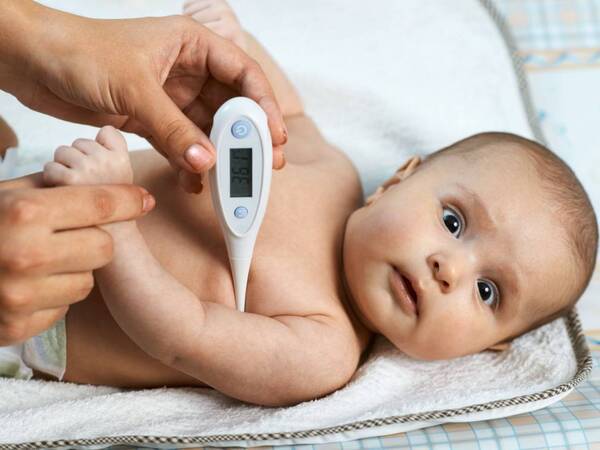
A temp of 100.4 in child often causes worry for parents. Fever is one of the most common reasons families call a pediatrician.
In many cases, a mild fever is the body’s normal response to infection and helps fight germs. Knowing what this number means, how to check it correctly, and when to act can help you feel more confident and calm.
What Does a Temperature of 100.4°F Mean?
Doctors use clear cutoffs to define fever. For most children, a body temperature of 100.4°F (38°C) or higher is considered a fever.
A temp of 100.4 in child usually falls into the low-grade fever range. It often appears with common illnesses such as colds, flu, ear infections, or stomach bugs.
According to guidance from the American Academy of Pediatrics, fever itself is not an illness. It is a sign that the immune system is working. The number matters less than how your child looks and acts.
Learn more about What a Temperature of 39.5 in Children Really Means.
Common Causes of a Mild Fever in Children
A mild fever can have many causes, including:
- Viral infections like colds or flu
- Bacterial infections such as strep throat or ear infections
- Recent vaccinations
- Teething, which may cause a slight rise in temperature
- Overheating from clothing or warm rooms
Research summarized by the Centers for Disease Control and Prevention shows that viral infections cause most childhood fevers and usually improve on their own.
Temp of 39.9 in Children – Learn More
How to Take Your Child’s Temperature Correctly
Accurate readings matter. Use the right method for your child’s age.
Best methods by age
- Birth to 3 months: Rectal thermometer
- 4 months to 4 years: Rectal or armpit
- 4 years and older: Oral, ear, or forehead
Digital thermometers are preferred. Avoid mercury thermometers. Clean the thermometer before and after each use.
Click here to learn more about Temp of 39.4 in Children: What Parents Need to Know.
Symptoms to Watch Along With Fever
A temp of 100.4 in child can come with other signs that guide your next steps. Pay attention to:
- Energy level and alertness
- Eating and drinking habits
- Urination frequency
- Breathing pattern
- Skin color or rash
A child who plays, drinks fluids, and responds normally often does well at home, even with a fever.
Learn more about My Child Has a Temperature of 40.
Caring for a Child With a Mild Fever
Home care focuses on comfort, not just lowering the number.
Helpful steps
- Offer plenty of fluids to prevent dehydration
- Dress your child in light clothing
- Keep the room comfortably cool
- Use fever reducers like acetaminophen or ibuprofen if your child seems uncomfortable
The Royal Children’s Hospital notes that fever medicine is optional and should be used based on comfort, not the thermometer alone. Never give aspirin to children.
Temperature of 39.6 in Children – Learn More
When to See a Doctor
Call your pediatrician or seek care if a temp of 100.4 in child is paired with any of the following:
- A baby younger than 3 months with any fever
- Fever lasting more than three days
- Severe headache, stiff neck, or trouble breathing
- Repeated vomiting or signs of dehydration
- Seizures or unusual sleepiness
- Fever that rises above 104°F
These signs may point to a more serious condition that needs medical evaluation.
Click here to learn more about a toddler with a temperature of 39.
What to Expect During Your Visit
At the visit, the provider will ask about symptoms, fever duration, and recent exposures. They will check vital signs and examine ears, throat, lungs, and skin. Tests may include a throat swab, urine test, or blood work if needed.
Most visits end with reassurance and home care advice. Antibiotics are only used when a bacterial infection is confirmed, based on standards from the Infectious Diseases Society of America.
My Child Has a Temperature of 39 – Learn More
Why Fever Can Be Helpful
Fever helps slow the growth of viruses and bacteria. It also boosts immune responses. Studies cited by the National Institutes of Health show that moderate fever can shorten illness duration in some infections. Treating fever is mainly about comfort, not stopping the immune response.
Key Takeaways for Parents
- A low-grade fever is common and often harmless
- Behavior and hydration matter more than the exact number
- Accurate temperature checks guide good decisions
- Trust your instincts and call your doctor if something feels off
Click here to learn more about Taking Cat’s Temperature Under the Armpit.
A Word from GetMe Treated
Seeing a temp of 100.4 in child can be stressful, but in most cases it is a normal and helpful response to illness. This mild fever often means your child’s immune system is doing its job. What matters most is how your child looks, acts, and drinks, not just the number on the thermometer.
With proper temperature checks, comfort care at home, and knowing when to call a doctor, parents can manage fever with confidence. Always trust your instincts and seek medical advice if symptoms worsen or do not improve.
How To Check Your Dog’s Temperature – Learn More
FAQs About Temp of 100.4 in Child
Is 100.4°F a high fever for kids?
No. It is considered a low-grade fever.
Should I give medicine right away?
Only if your child seems uncomfortable or in pain.
Can teething cause a fever of 100.4°F?
Teething may cause a slight rise, but higher fevers usually have another cause.
How long can a mild fever last?
Many viral fevers last two to three days.
Is a fever dangerous by itself?
Most fevers are not harmful and help fight infection.
When should I worry most?
Worry more about poor drinking, breathing trouble, or unusual behavior.